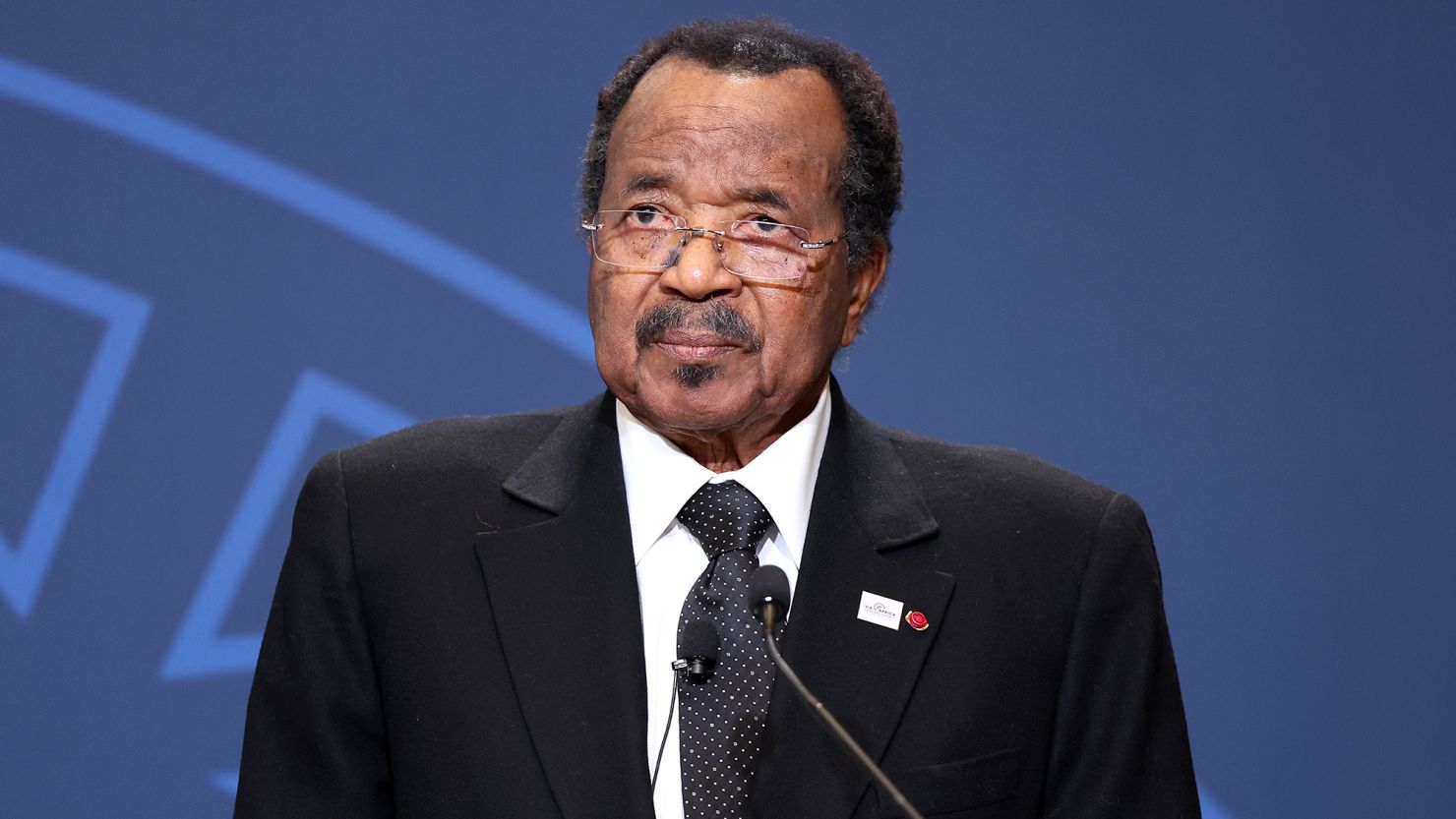
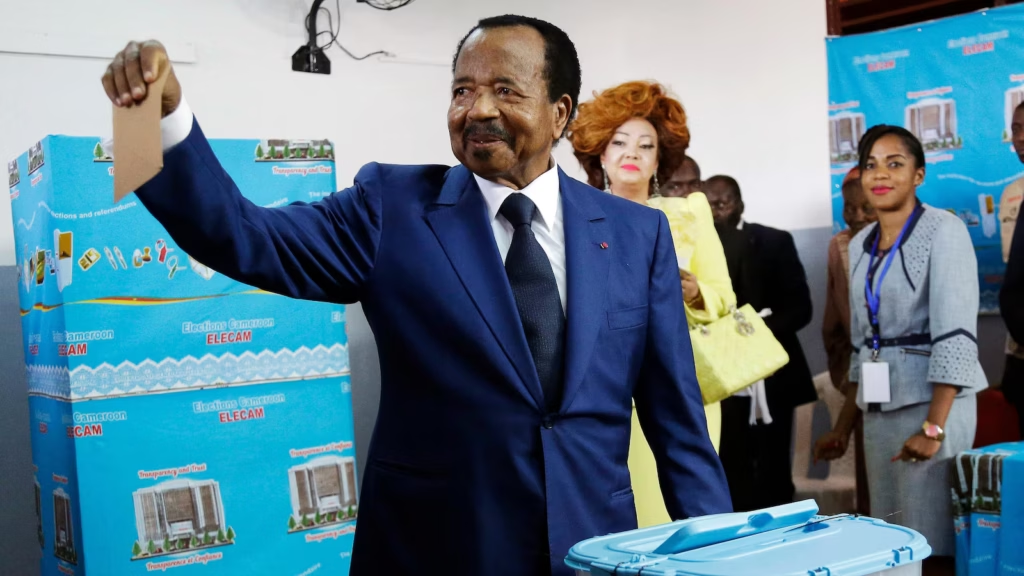
Cameroon’s long-serving leader, President Paul Biya, has secured a controversial eighth term in office after winning 53.7 percent of the votes, according to official results released by the Constitutional Council on Monday.
The 92-year-old, who has ruled the Central African nation for over four decades, extended his grip on power following the October 12 presidential election. Rival candidate and former government minister Issa Tchiroma Bakary came in second with 35.2 percent of the vote, the council announced.
Tchiroma had earlier declared himself the winner just two days after the polls closed, claiming to have secured 54.8 percent of the votes compared to Biya’s 31.3 percent. His self-declared victory sparked widespread tension and unrest in several parts of the country.
Four Killed in Post-Election Violence
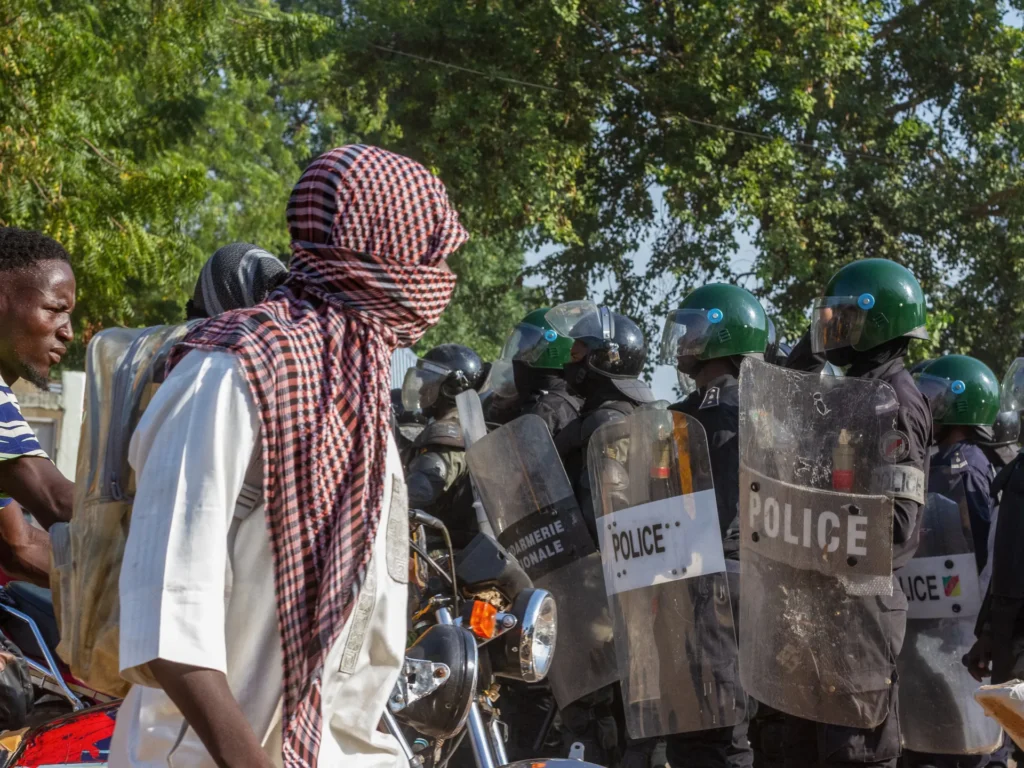
The days leading up to the official announcement were marred by violent clashes between security forces and opposition supporters. Authorities confirmed that four people were killed during confrontations in Cameroon’s economic capital, Douala.
Tchiroma, who challenged Biya’s 43-year rule, had urged his supporters to stage peaceful demonstrations despite a government-imposed ban on public gatherings. However, tensions escalated when demonstrators reportedly “attacked” a gendarmerie brigade and police stations in two districts of the city.
Regional governor Samuel Dieudonne Ivaha Diboua said, “Four people, unfortunately, lost their lives,” adding that several security personnel sustained injuries during the confrontation.
Eyewitnesses described chaotic scenes as security forces allegedly opened fire on protesters after dispersing crowds with tear gas. “They fired, three people, three bodies fell in front of us,” one demonstrator told AFP under anonymity, showing reporters spent bullet casings recovered near the gendarmerie.
Biya’s Extended Grip on Power
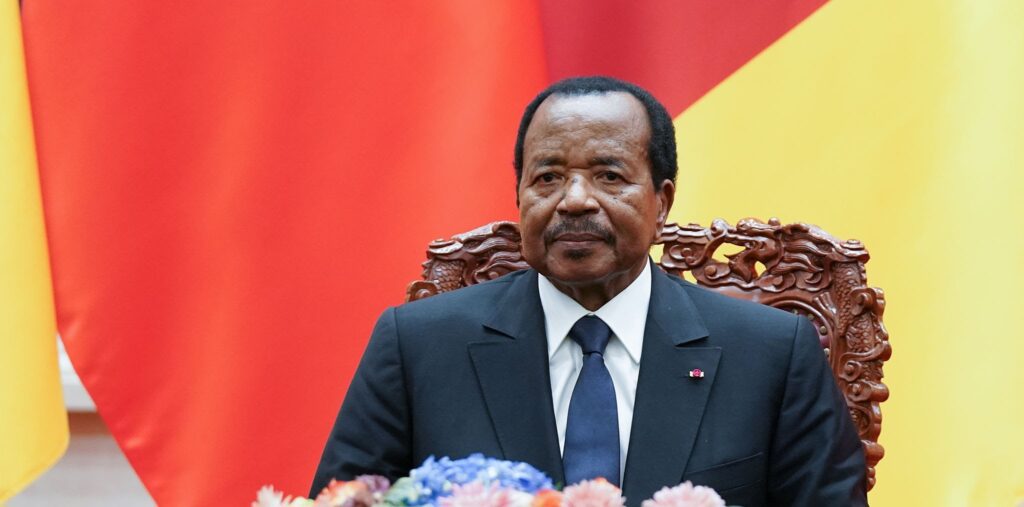
President Biya’s re-election was widely anticipated by political observers, many of whom argue that the electoral process has long been manipulated to secure his continued dominance. Critics say the political system is tightly controlled, with opposition parties facing intimidation and limited access to media.
Biya, who first took office in 1982, remains the world’s oldest serving head of state. Throughout his 43-year rule, he has maintained authority through a combination of political repression, state control, and security crackdowns against both armed and civil dissent.
Under his leadership, Cameroon has endured social unrest, economic hardship, and persistent separatist conflicts in its English-speaking regions. Despite these challenges, Biya continues to wield strong influence across the nation’s political and security establishments.
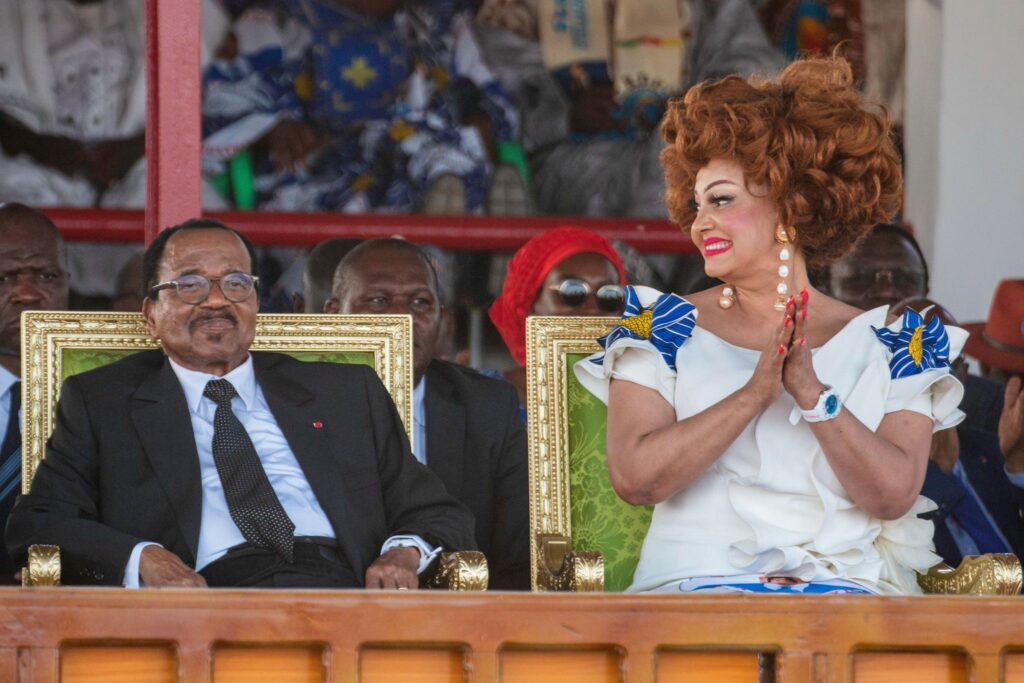
With another seven-year term secured, the veteran leader shows no sign of stepping aside, reinforcing his position as one of Africa’s most enduring and controversial rulers.
What You Should Know
Paul Biya, at 92, is the world’s oldest sitting president and has ruled Cameroon since 1982. His government has been accused of stifling dissent and manipulating elections to retain power.
Despite growing opposition and internal conflict, Biya’s latest victory ensures he will remain in office for at least another seven years, extending one of the longest presidential tenures in African history.