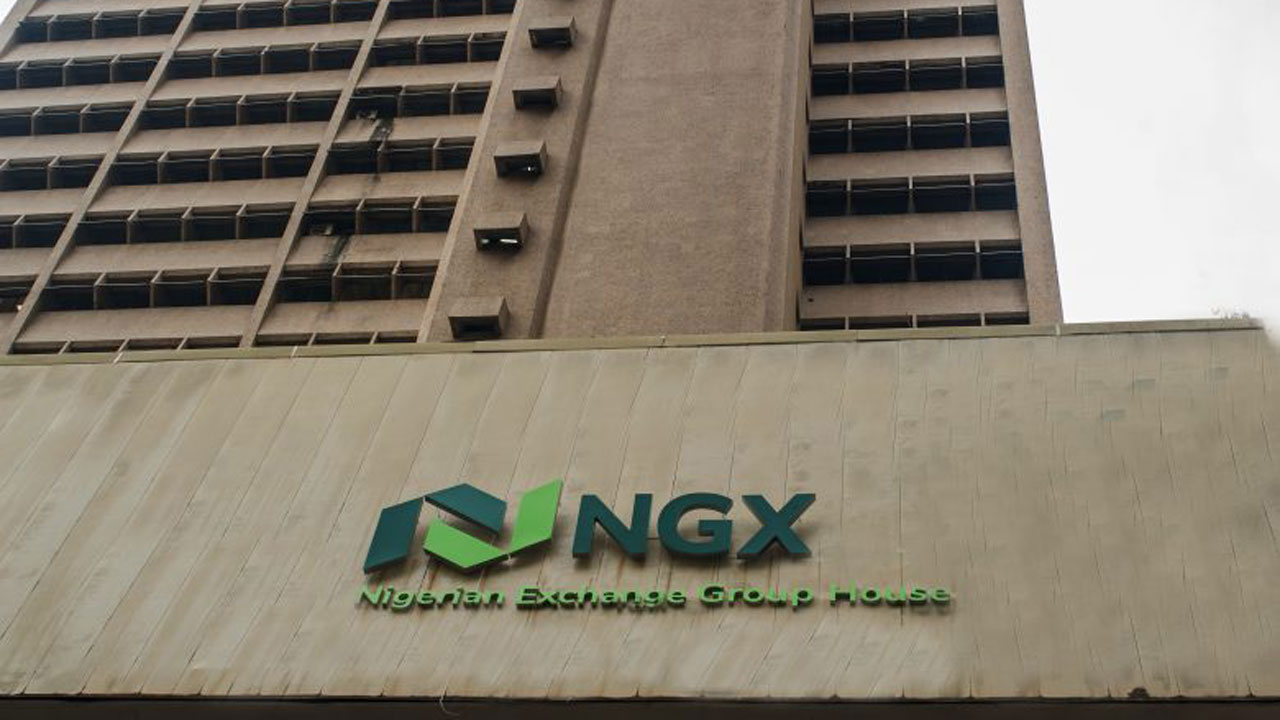
NGX Regulation Limited (NGX RegCo) has issued a stark warning to all trading license holders: deploy digital trading infrastructure without prior regulatory approval and face serious financial and reputational consequences.
The directive, contained in a circular signed by Chinedu Akamaka, Head of the Market Regulation Department, and addressed to all TLHs, lands at a time when Nigeria’s retail investment landscape is undergoing rapid digital transformation, with a growing number of Nigerians accessing the stock market through web-based and mobile trading applications.
At the heart of the new directive is a firm instruction that no broker may deploy, migrate to, or introduce any new digital trading system without first securing written approval from NGX RegCo. The rule applies to existing platforms seeking migration as much as it does to new entrants planning to go live.
This represents a significant tightening of the regulatory gate, and industry observers say it is aimed squarely at a segment of the market where the pace of technological adoption has, in some cases, outrun regulatory oversight.
“All trading license holders operating online trading platforms are required to obtain prior written approval from NGX RegCo before deployment or migration to any digital trading system,” the circular stated plainly.
For brokers who may have operated under the assumption that digital rollouts fall outside the traditional approval framework, the message could not be clearer: they do not.
Beyond the approval requirement, the circular lays out an extensive checklist of cybersecurity obligations that trading firms must now satisfy — obligations that mirror global best practices and suggest NGX RegCo is aligning Nigeria’s digital trading infrastructure with international standards.
Firms are required to implement Two-Factor Authentication (2FA), encryption systems, Secure Socket Layer (SSL) protocols, and HTTPS security measures across their platforms. These are not optional enhancements; they are baseline requirements under the new framework.
Perhaps most notably, the regulator has mandated that penetration testing, a cybersecurity exercise in which platforms are deliberately probed for vulnerabilities, must be conducted at least twice a year.
Critically, this testing must be carried out through NGX-recognized cybersecurity providers, and certified reports must be submitted to the Exchange within stipulated timelines. This effectively closes a loophole that might have allowed firms to conduct informal or self-certified security assessments.
The regulator also directed firms to put in place continuous monitoring systems for trading activities and to report any system failures, anomalies, or operational breaches to the Exchange promptly. The emphasis on real-time vigilance suggests that NGX RegCo is not only concerned with how platforms are built but also with how they are managed on an ongoing basis.
Running through the directive like a thread is a strong investor protection mandate, particularly for retail participants who have flooded into Nigeria’s capital market in recent years, many of them first-time investors accessing the market for the first time through their smartphones.
Brokers are mandated to conduct thorough Know Your Customer (KYC) checks before activating any account on a digital trading platform, a requirement that reinforces existing anti-money laundering and counter-terrorism financing obligations.
Customer records and transaction documentation must be retained for a minimum of six years, ensuring that a comprehensive audit trail exists in the event of disputes or regulatory inquiries.
Trading platforms are also required to provide clear and adequate disclosures on investment risks, a provision designed to ensure that retail investors understand the nature of what they are buying into before committing their funds.
In an environment where social media hype and informal investment communities have sometimes created unrealistic expectations among new investors, the disclosure requirement carries considerable weight.
Firms are further expected to comply with all existing rules governing market communications, advertisements, and publications, bringing digital platforms into full alignment with the standards applied to traditional brokerage operations.
For brokers tempted to treat the directive as advisory, the regulator has attached sharp teeth to the circular. Failure to comply may attract a minimum financial penalty of ₦250,000, in addition to other disciplinary actions under exchange rules.
While ₦250,000 may appear modest on its face, the phrase “and other disciplinary actions” leaves the door open for sanctions that could include suspension or revocation of trading licenses, consequences that would strike at the very heart of a firm’s ability to operate.
The NGX RegCo directive arrives against the backdrop of a Nigerian capital market that is maturing rapidly, driven by a wave of digital-native retail investors and a new generation of fintech-style brokerage platforms competing for their business.
With that growth has come increased exposure to cybersecurity threats, data breaches, and the operational risks that accompany rapid technological scaling.
By imposing structured, enforceable standards on digital trading infrastructure, NGX RegCo appears to be making a calculated bet: that a more tightly regulated digital market will, over time, generate greater investor confidence and that greater confidence will deepen participation and liquidity in ways that benefit the entire ecosystem.
For the broking community, the directive is both a compliance challenge and, arguably, an opportunity.
Firms that invest in robust cybersecurity infrastructure, rigorous KYC processes, and transparent investor communications will be well-positioned not just to satisfy regulators but to build the kind of trust that drives long-term client retention in an increasingly competitive digital marketplace.
WHAT YOU SHOULD KNOW
Nigeria’s capital market regulator, NGX RegCo, has drawn a clear line in the sand: operate a digital trading platform without approval and face the consequences.
The directive is not merely a bureaucratic exercise; it represents a fundamental shift in how Nigeria’s online trading space will be governed going forward.
Brokers must now meet stringent cybersecurity standards, conduct mandatory penetration testing, enforce strict KYC procedures, and maintain transparent communication with investors or risk sanctions.