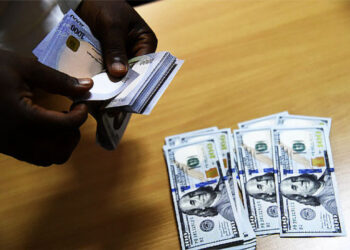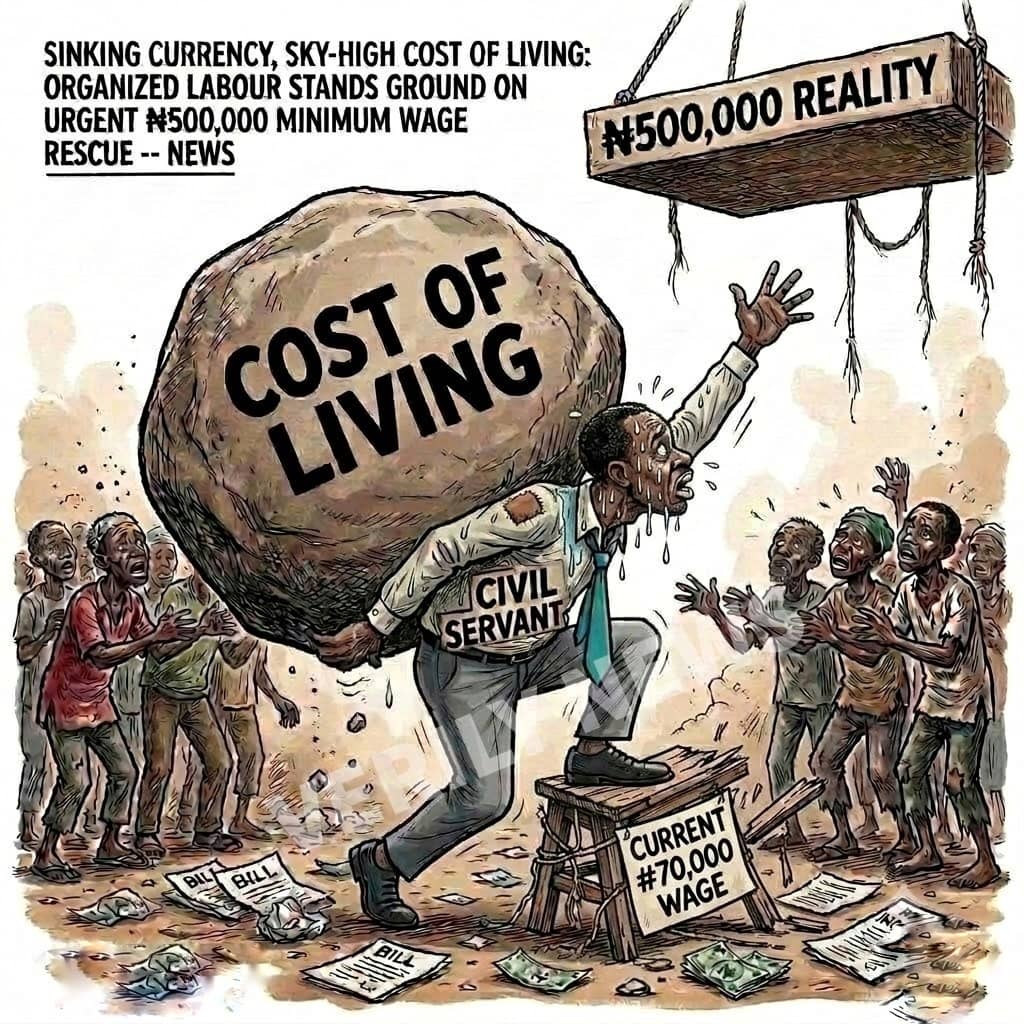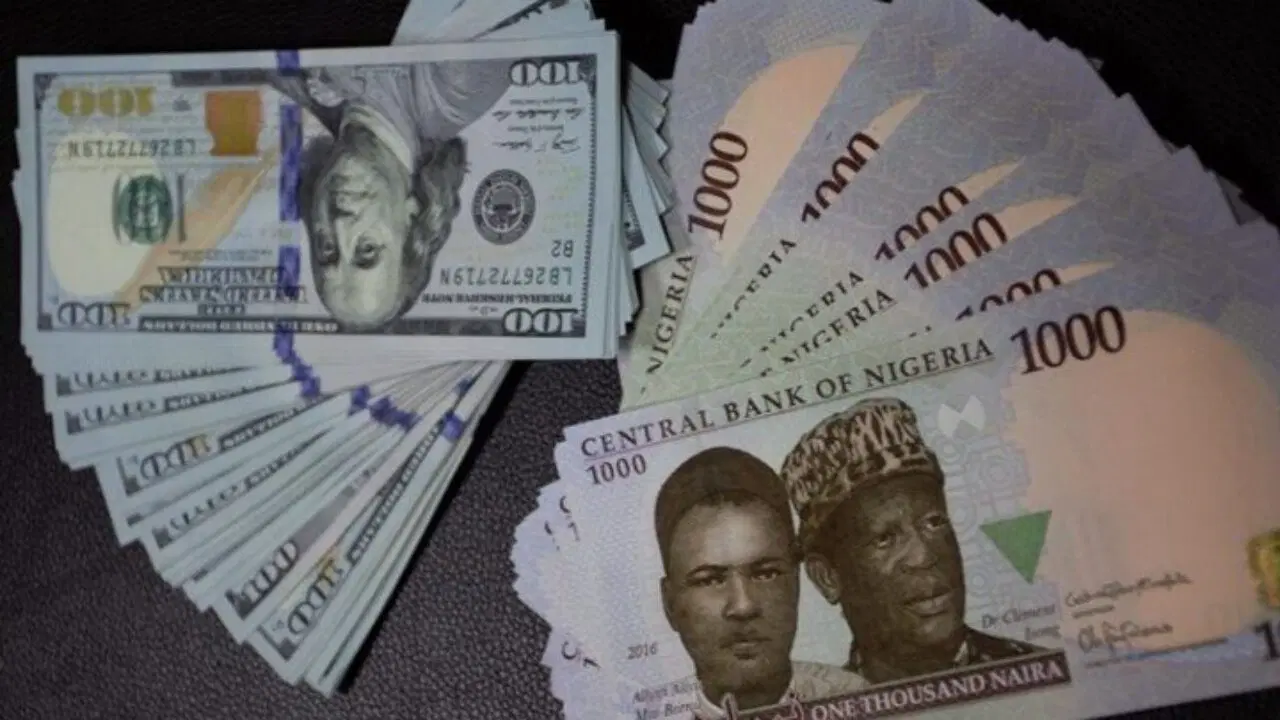
The Nigerian naira held relatively steady against the dollar on Thursday, trading around ₦1,370 in the official market, a sign of short-term stability despite the enormous pressures still weighing on Africa’s largest economy.
According to the latest available market data, the naira closed at approximately ₦1,372.76 per dollar in Wednesday’s trading session, with Thursday’s figures tracking closely to that benchmark.
At that rate, a Nigerian seeking to convert $100 would receive roughly ₦137,276, while $1,000 would yield approximately ₦1.37 million, figures that underscore the significant erosion of purchasing power that ordinary Nigerians have endured over recent years.
Away from the sanitized corridors of the official market, however, a starkly different reality plays out daily across currency exchange bureaus, motor parks, and back-street dealers that constitute Nigeria’s notorious parallel market, colloquially dubbed the black market.
In those informal trading circles on Thursday, the dollar was being bought at around ₦1,395 and sold at between ₦1,405 and ₦1,408, depending on the dealer, the location, and negotiated margins.
That puts the spread between the official and parallel market rates at roughly ₦25 to ₦38, a gap that, while significantly narrower than the historic divergences seen at the height of Nigeria’s foreign exchange crisis, remains a persistent source of concern for policymakers and a practical burden for importers, travelers, and small business owners who cannot always access the official window.
At the parallel market’s prevailing selling rate, $100 would cost a buyer between ₦140,500 and ₦140,800, anywhere from ₦3,200 to ₦3,500 more than the official rate would imply. Multiply that across millions of daily transactions, and the cumulative economic distortion becomes readily apparent.
Analysts tracking the currency market are united on the key variables that will determine the naira’s trajectory in the weeks and months ahead. The currency’s fortunes remain heavily tethered to dollar inflows from four principal sources: oil export revenues, foreign portfolio investments, diaspora remittances, and direct interventions by the Central Bank of Nigeria (CBN).
Nigeria’s oil sector remains the single most critical determinant of dollar liquidity in the economy. Any meaningful uptick in crude production or global oil prices tends to translate relatively quickly into improved foreign exchange availability and, consequently, a more stable naira.
Conversely, production disruptions, pipeline vandalism, or a softening of global crude benchmarks can rapidly tighten dollar supply and exert fresh downward pressure on the local currency.
Foreign portfolio investment flows, the so-called “hot money” that institutional investors move in and out of Nigerian Treasury bills and bonds, represent another increasingly watched variable, particularly following the CBN’s sustained push to attract capital through elevated interest rates.
Meanwhile, diaspora remittances, which have grown into a multi-billion-dollar annual inflow for Nigeria, serve as a quiet but indispensable buffer in the forex market.
The CBN itself remains a decisive actor. The apex bank’s willingness and capacity to intervene in selling dollars into the market to defend the naira during periods of acute pressure have been closely watched since the sweeping forex reforms of recent years that unified multiple exchange rate windows into a more market-reflective system.
Thursday’s figures arrive against a backdrop of Nigeria’s ongoing battle to stabilize an economy that has faced simultaneous shocks: subsidy removal, currency devaluation, elevated inflation, and sluggish growth.
The CBN and federal government have repeatedly signaled their commitment to a more transparent, market-driven exchange rate regime, arguing that the old system of managed rates had starved the economy of foreign investment and distorted price signals across critical sectors.
For now, the naira’s relative calm at the official window offers a measured moment of reassurance, though seasoned market watchers are careful not to mistake stillness for strength.
WHAT YOU SHOULD KNOW
The naira is holding relatively steady at around ₦1,370–₦1,373 to the dollar in the official market, but a telling gap remains with the parallel market trading as high as ₦1,408, a spread that continues to burden everyday Nigerians.
The naira’s stability is fragile and entirely dependent on external lifelines, oil revenues, foreign investments, diaspora remittances, and CBN interventions. Without sustained improvements in these inflows, any semblance of calm in the currency market remains temporary at best.