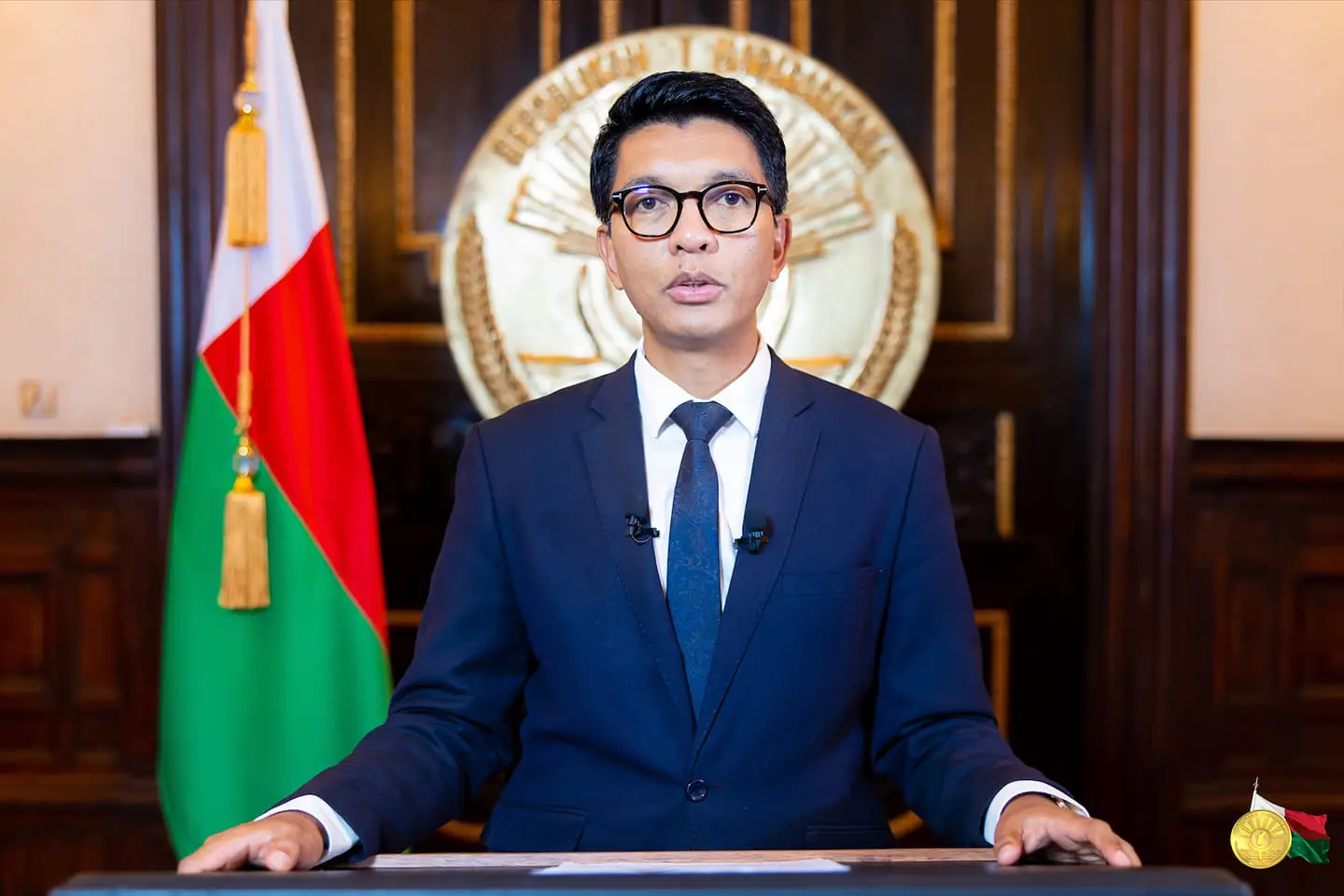
Madagascar was plunged into political uncertainty on Tuesday after an elite military unit announced it had seized control of the government, following a dramatic vote by the National Assembly to impeach President Andry Rajoelina for “desertion of duty.”
Colonel Michael Randrianirina, commander of the CAPSAT military unit, confirmed the takeover in an interview with AFP shortly after reading a statement at a government building in the capital, Antananarivo.
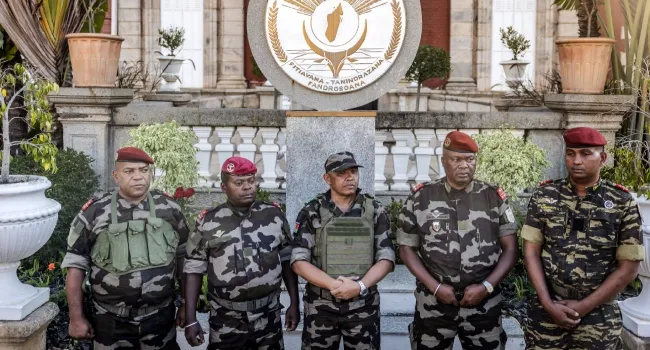
“We have taken power,” Randrianirina declared, adding that a committee composed of officers from the army, gendarmerie, and national police would now assume the duties of the presidency.
“Perhaps in time it will include senior civilian advisers,” he continued. “It is this committee that will carry out the work of the presidency. At the same time, after a few days, we will set up a civilian government.”
The announcement came just minutes after lawmakers in the lower house of parliament overwhelmingly voted to impeach Rajoelina, despite his efforts to derail the session. Earlier in the day, the embattled president had dissolved the National Assembly by decree, hoping to prevent the impeachment proceedings from taking place.
Nevertheless, 130 out of 163 members of parliament voted in favor of removing him, well above the two-thirds majority required by the constitution. The High Constitutional Court must still validate the decision before it becomes final.
Rajoelina, 51, has faced weeks of anti-government protests demanding his resignation. The unrest intensified after allegations that he had abandoned his presidential duties amid a deepening political and economic crisis.
Late Monday, Rajoelina released a statement saying he was taking refuge in a “safe space” after what he described as “attempts on his life,” though he did not disclose his whereabouts.
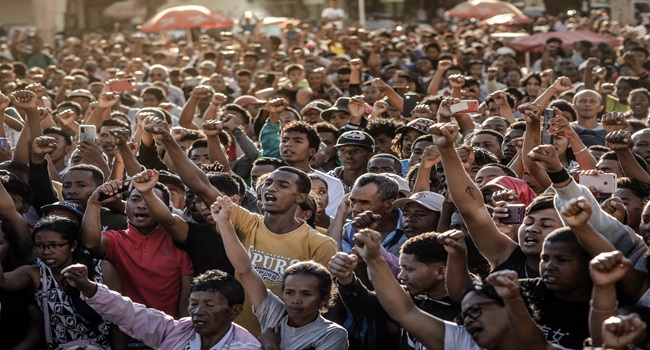
The protests, which began on September 25, escalated over the weekend when mutinous soldiers and security forces, including members of CAPSAT, joined the demonstrators and called for the president and his ministers to step down.
CAPSAT, the same unit that played a central role in the 2009 coup that first brought Rajoelina to power, has now again become a decisive force in the country’s political upheaval.
The presidency dismissed the impeachment vote as “devoid of any legal basis,” but with the army now backing the move, Rajoelina’s political future appears increasingly uncertain.
What You Should Know
This marks the second time in Madagascar’s modern history that CAPSAT has intervened to unseat a president, the first being in 2009, when Andry Rajoelina himself rose to power through a military-backed coup.
His ouster now closes a political circle, as the island nation faces renewed instability and potential international isolation.