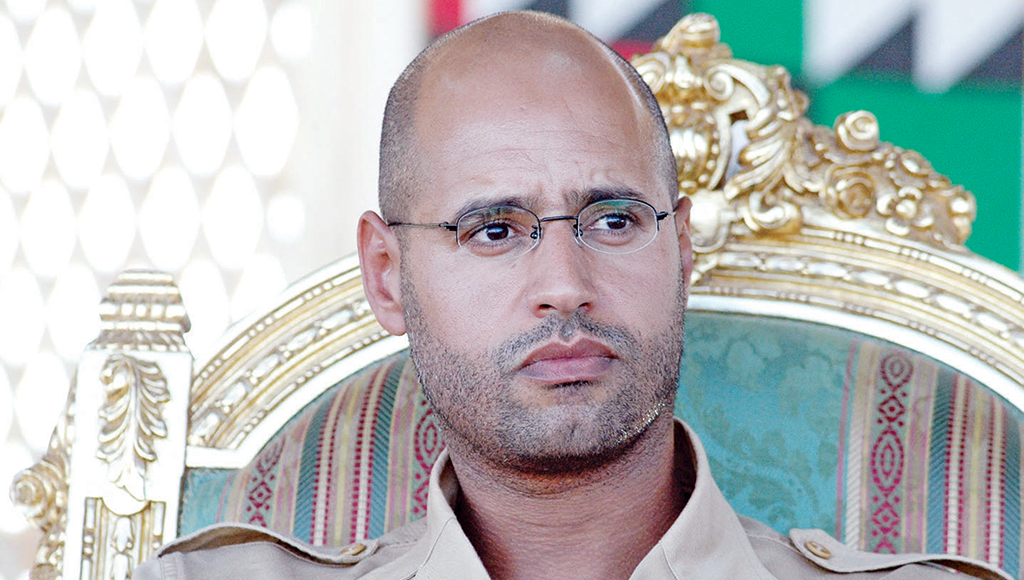
Libyan prosecutors on Thursday announced that investigators had identified three individuals suspected of involvement in last month’s killing of the son of former leader Muammar Gaddafi, though their identities were not disclosed.
Seif al-Islam Gaddafi, once regarded by some as a potential successor to his father’s rule in Libya, was shot dead at his residence in the northwestern city of Zintan in early February.
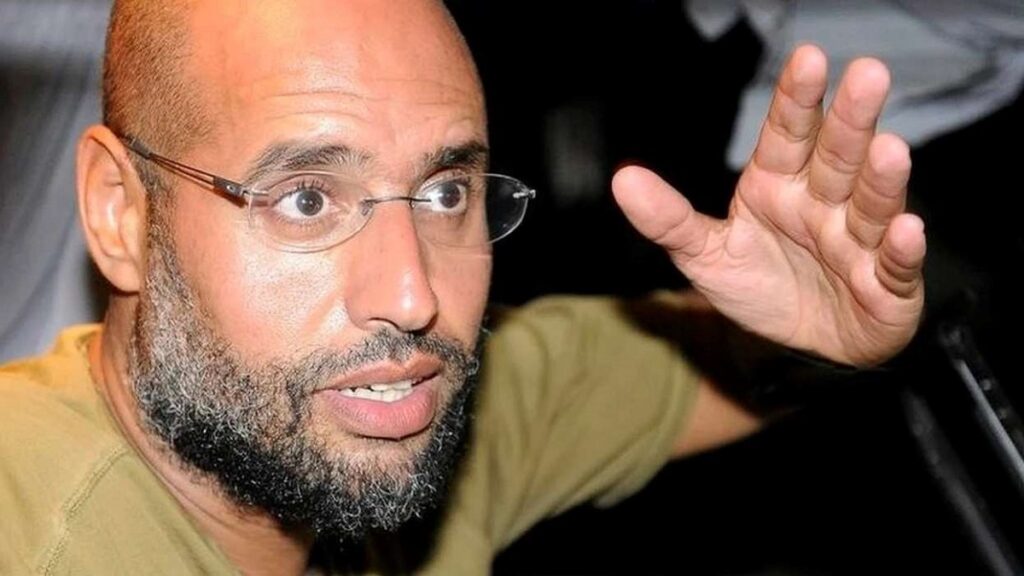
In a statement released on Facebook, the prosecutor’s office said the investigation had established key details surrounding the incident, including the location where the suspects met, the time they travelled to the crime scene, and the circumstances under which the killing occurred.
According to the statement, authorities have also confirmed the identities of three suspects linked to the attack and have issued orders for their arrest.
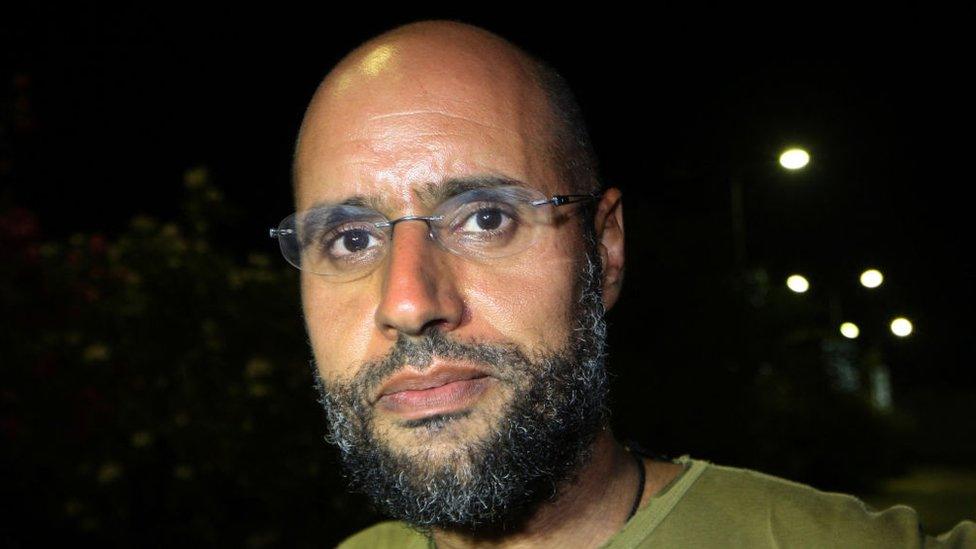
Although he never officially held a government post during his father’s leadership, Seif al-Islam was widely viewed as one of the most influential figures in the Libyan government before the 2011 uprising. Many observers regarded him as a de facto prime minister who promoted an image of reform and moderation within the administration prior to the Arab Spring protests.
That perception changed dramatically during the uprising when he delivered a defiant warning to protesters and promised “rivers of blood” if the rebellion continued.
Following the unrest that toppled his father’s regime, the International Criminal Court issued a warrant for his arrest on allegations of crimes against humanity. Libyan authorities detained him later in 2011.
Years afterward, a court in Tripoli sentenced him to death, but the ruling was later followed by an amnesty that allowed him to avoid execution.
Speaking about the circumstances surrounding the recent killing, French lawyer Marcel Ceccaldi, who had represented Seif al-Islam, told AFP that his client had been attacked by a “four-man commando” that stormed his residence.
What you should know
Seif al-Islam Gaddafi was one of the most prominent figures in Libya during the rule of Muammar Gaddafi.
Although he held no official title, he was widely seen as a powerful political figure and possible successor to his father. His reputation as a reform-minded leader faded during the 2011 uprising when he openly threatened protesters.
After the fall of the Gaddafi government, he faced international charges of crimes against humanity and years of legal battles.
His killing has renewed attention on Libya’s fragile political and security environment.