Nigeria has recorded 145 deaths from Lassa fever so far in 2025, according to the Nigeria Centre for Disease Control and Prevention (NCDC), marking a disturbing spike in fatalities from the viral hemorrhagic disease that continues to threaten public health in several states.
In its latest situation report released Friday for epidemiological week 24 (covering June 9–15), the NCDC revealed that 766 cases of Lassa fever had been confirmed from 5,678 suspected infections nationwide. The report places the current case fatality rate at 18.9 percent—an increase from the 17.6 percent recorded during the same reporting period in 2024.
The most affected states remain Ondo, Bauchi, Edo, Taraba, and Ebonyi, which together account for 91 percent of all confirmed cases. Ondo alone contributes 31 percent, making it the epicentre of this year’s outbreak.
Despite a modest drop in the number of newly confirmed cases—down to eight from 11 recorded the previous week—the NCDC expressed deep concern about the consistently high fatality rate. The agency attributes this trend to factors such as delayed case presentation at health facilities, poor health-seeking behaviour, and inadequate hygiene practices in high-risk communities.
To curb the spread, the NCDC said it has deployed Rapid Response Teams to ten affected states, alongside intensifying risk communication and launching environmental sanitation initiatives. These efforts are complemented by the training of frontline healthcare workers in vulnerable areas.
The agency also disclosed that it has de-escalated its Incident Management System to an alert mode. This move is part of a broader strategy to integrate Lassa fever awareness into national disease prevention campaigns, ensuring sustained vigilance as the outbreak evolves.
The NCDC further appealed to the general public to remain proactive in preventing infection by avoiding contact with rodents and promptly seeking medical care at certified treatment centres upon experiencing early symptoms such as persistent fever, headache, sore throat, or signs of internal bleeding.
“Members of the public are also urged to stay informed by following our official advisories and contacting the NCDC toll-free line 6232 for prompt support or inquiries,” the agency added.
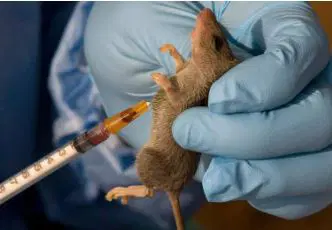
Lassa fever, an acute viral illness endemic to West Africa, is primarily transmitted through contact with food or household items contaminated by urine or faeces of infected rats. Secondary human-to-human transmission can occur through direct contact with blood, body fluids, or contaminated surfaces and medical tools.
The disease typically presents with flu-like symptoms such as fever, sore throat, muscle aches, and vomiting. In severe cases, it can progress to bleeding from body openings, organ failure, and death.
What You Should Know
Lassa fever has killed 145 people in Nigeria in 2025, with 766 confirmed cases reported so far. Ondo remains the hardest-hit state, as the fatality rate rises to 18.9%. The NCDC attributes the high death toll to delayed treatment and poor hygiene, while urging the public to seek medical help early and avoid contact with rodents.