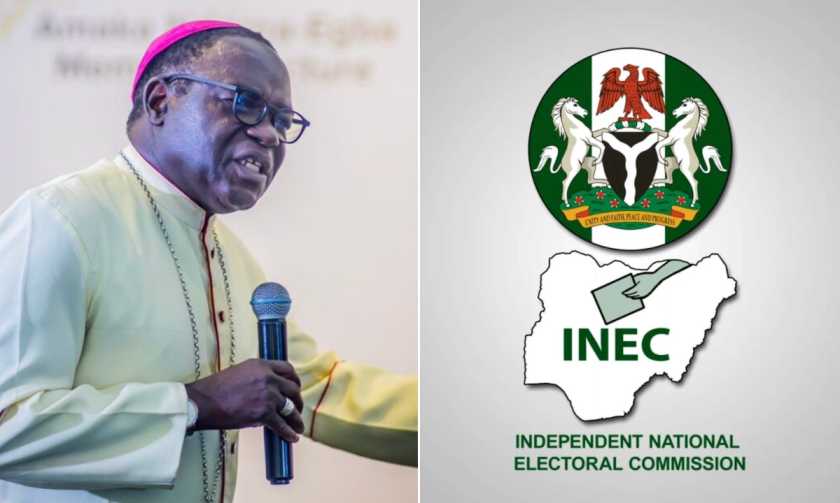
The Catholic Bishop of Sokoto Diocese, Bishop Matthew Hassan Kukah, on Thursday delivered a strong appeal to the Independent National Electoral Commission (INEC) to ensure free, fair and credible elections, cautioning that Nigeria’s democratic shortcomings could isolate the country as other African nations advance.
Kukah made the remarks while chairing the Leadership Annual Conference and Awards 2025 in Abuja. The event was themed “Political Stability and Sustainable Development in Africa in an Increasingly Unstable Global System: A Roadmap for Nigeria.”
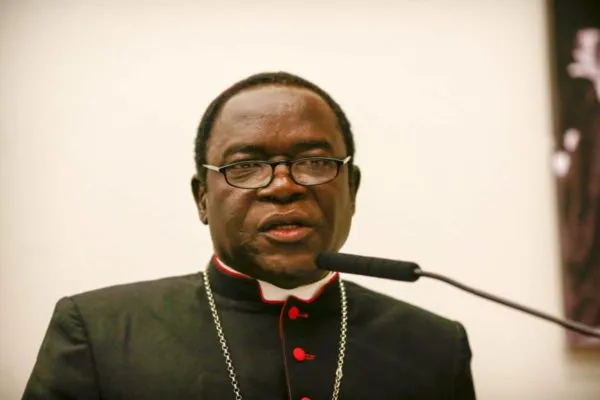
“By God, by whatever means, give us clean and credible elections,” Kukah said emphatically, drawing applause from attendees.
He framed Nigeria’s electoral challenges within a broader global context, noting that Africa is once again at the centre of geopolitical competition, particularly over critical mineral resources.
“The boys in Washington are discussing critical minerals,” he said. “America’s greatest task now is how to deal with these minerals—the elements required to build and industrialise their country. They are investing in mining, protecting their mining companies, and rebuilding their mining ecosystems.”
Kukah lamented that although Africa holds vast mineral wealth, it remains largely absent from key global decision-making forums shaping its future.
“We are not at the table,” he warned. “While the superpowers are reviewing what looks like a new Berlin Conference in major cities of the world to consolidate their domination, Africa is again the main venue on the table.”
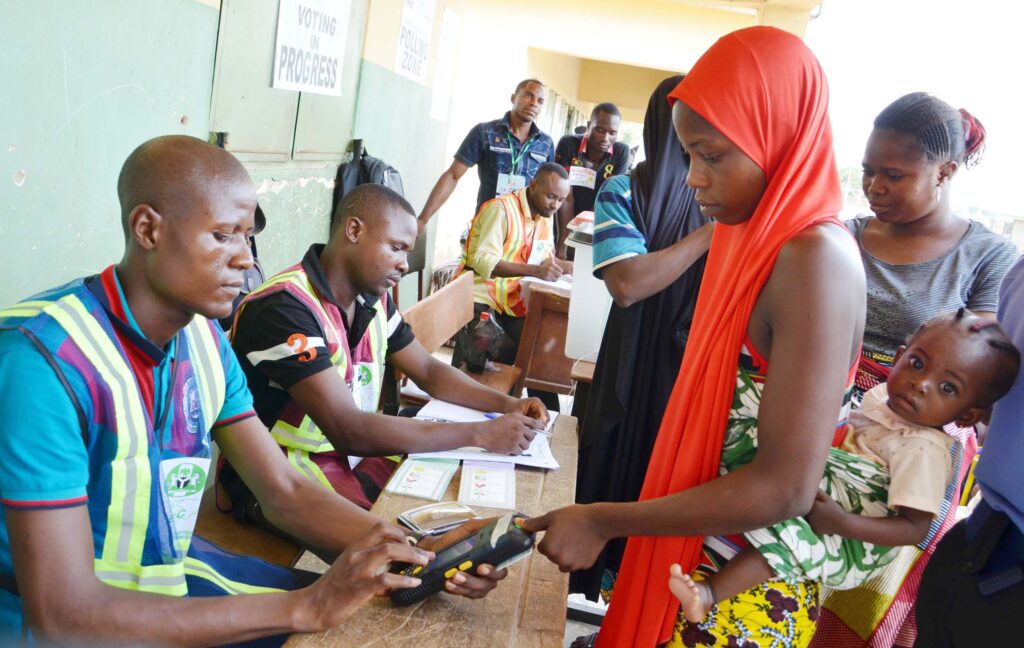
According to the cleric, Nigeria’s political stability—anchored on credible elections—is central to Africa’s broader aspirations for relevance and development in a shifting global order.
“A roadmap to make Africa great again cannot proceed without Nigeria,” Kukah said. “But the rest of Africa will not wait for Nigeria. They will not wait for us to decide whether we transmit election results by podcast, telecast, videocast or livestream.”
In what appeared to be a reference to past electoral controversies, he stressed that debates over the technicalities of result transmission should not overshadow the core principles of transparency and integrity.
“The rest of Africa will not wait for us to surrender to confusion. We must get it right,” he added.
Kukah also described Africa as “haemorrhaging” from internal conflicts and instability, even as global powers intensify their competition for influence and resources on the continent.
“While Africa is drowning in its own blood and consolidating its weakness, other nations are moving forward in their domination,” he said.
Despite the concerns, the bishop expressed optimism that forums like the Leadership Conference provide opportunities for reflection and solution-driven dialogue.
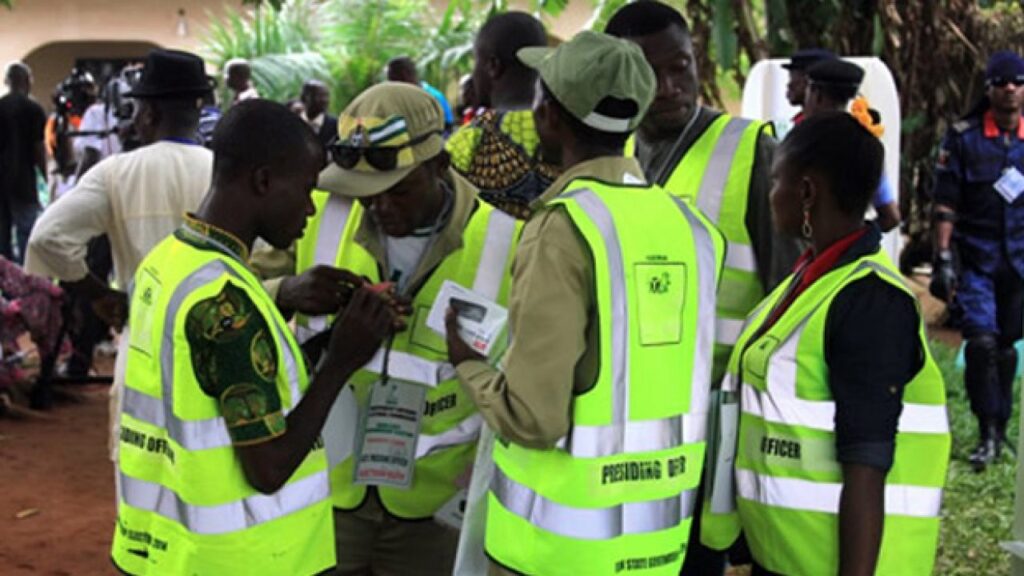
“This conference is about Nigeria—where we are, what we’ve learned, and where we are going,” he said. “It is about honest conversations around political stability and sustainable development in a world that is becoming increasingly unstable.”
He added that the awards segment of the event was intended to recognise resilience, innovation and service, noting that national progress requires collaboration across government, the private sector, civil society and communities.
“We celebrate excellence, not perfection—commitment, faith and resilient service to this nation,” Kukah said.
What you should know
Bishop Matthew Kukah has urged INEC to conduct credible elections, warning that Nigeria’s democratic weaknesses could hinder both national and continental progress.
He linked political stability to Africa’s ability to assert itself in a rapidly changing global system marked by competition for critical minerals and strategic influence.