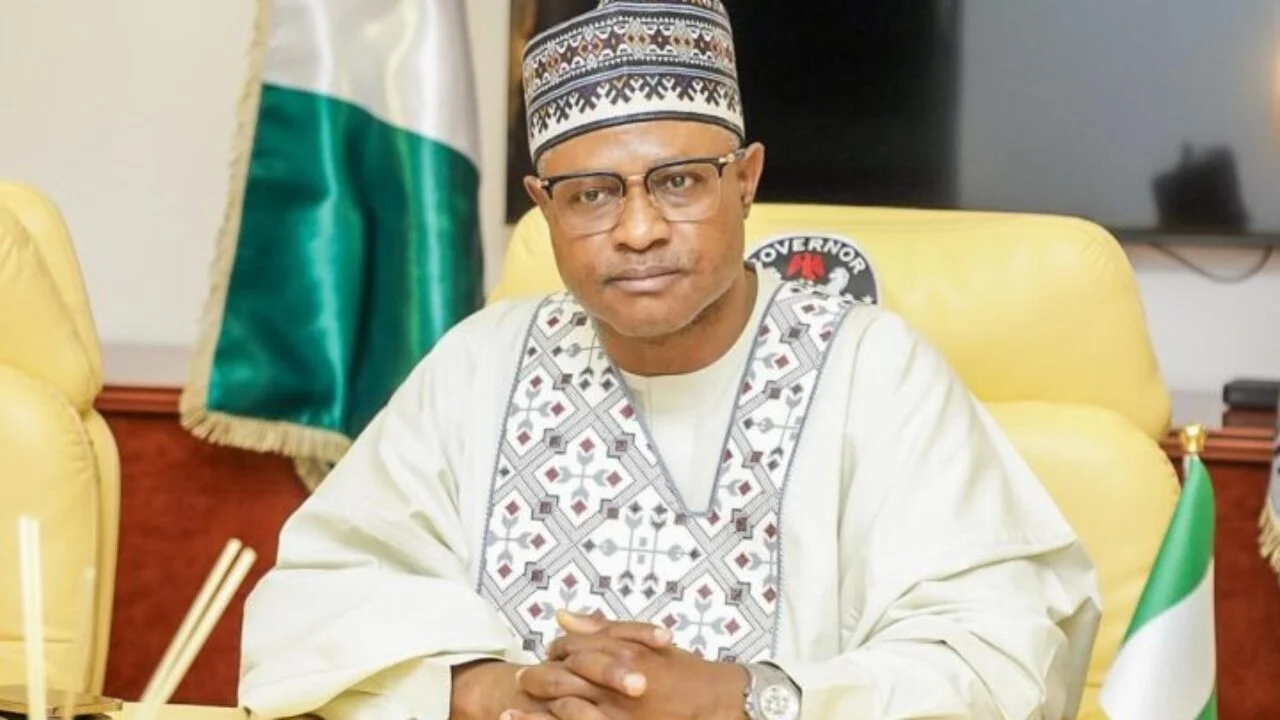
A coalition of labour unions in Kaduna State has applauded Governor Uba Sani for his decision to approve and implement the new national minimum wage, along with consequential adjustments, for all local government employees across the state.
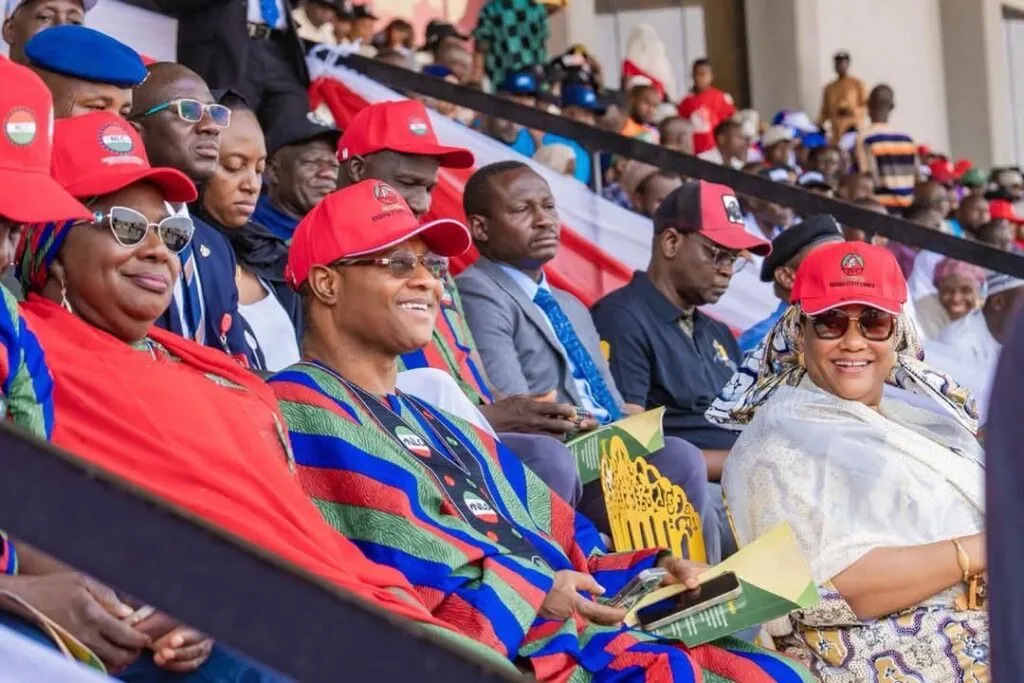
The commendation came from the Nigeria Union of Local Government Employees (NULGE), the Nigeria Union of Teachers (NUT), and the Medical and Health Workers Union of Nigeria (MHWUN) during a joint press briefing held in Kaduna.
Union leaders Rayyanu Turunku of NULGE, Ibrahim Dalhatu of NUT, and Umar Fatika of MHWUN described the governor’s action as a reflection of “empathy, fairness, and commitment to workers’ welfare.”
They also announced the suspension of their planned warning strike, noting that the governor’s approval to implement the wage increase for all local government staff, including those under the State Universal Basic Education Board (SUBEB) and the Primary Healthcare Board, would take effect from October 2025.
“The governor’s decision to implement the new wage structure amid fiscal constraints shows compassion, sincerity, and respect for the dignity of labour,” the unions stated.
The coalition further commended the state government’s strides in education and healthcare, describing them as evidence of a people-centered administration.
They pointed to the renovation and modernisation of classrooms across the 23 local government areas, the approval of the 65-year retirement age or 40 years of service policy for teachers, and the refund of over ₦500 million in ENDWELL savings deductions as key achievements.
The unions also appreciated the restoration of monthly ENDWELL contributions, saying the scheme has provided crucial financial relief to teachers and their families. They praised the correction of check-off dues and the successful completion of the staff verification exercise, which has improved transparency and accountability within the public service.
In the healthcare sector, the labour bodies commended Governor Sani’s efforts to revitalise the system through the renovation of 255 Primary Healthcare Centres (PHCs) and the creation of 23 PHC Centres of Excellence across the state. They further noted the government’s plan to recruit 1,800 health workers annually for the next five years as a major step toward addressing workforce shortages.
Additionally, the unions acknowledged the full implementation of the 2024 CONMESS and CONHESS salary structures, as well as Kaduna’s emergence as the 2024 Primary Healthcare Leadership Challenge Champion for the North West Zone.
They also applauded the governor’s introduction of 100 Compressed Natural Gas (CNG) buses to provide free transportation for civil servants and students, describing the initiative as a timely intervention to ease the burden of the fuel subsidy removal and reduce the cost of living.
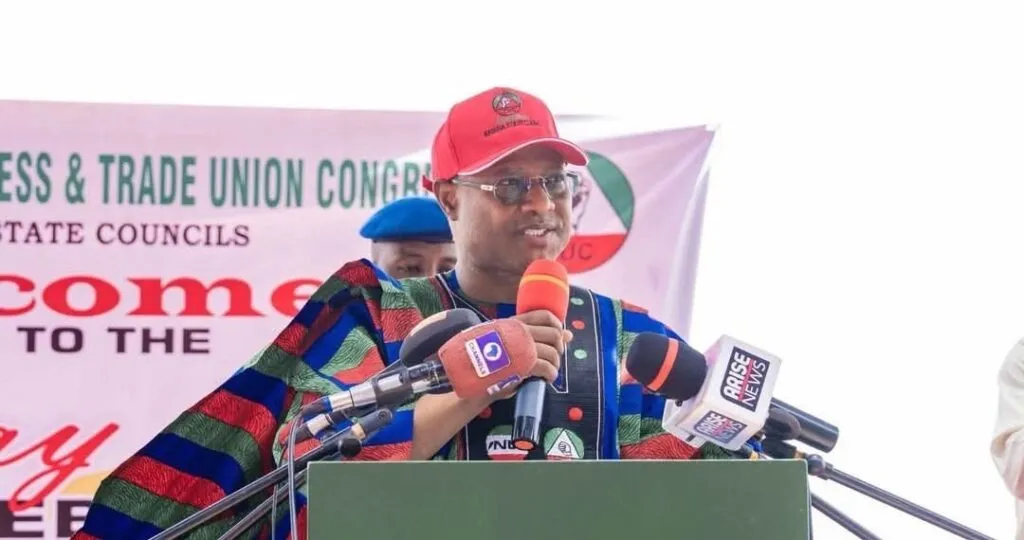
Reaffirming their dedication to maintaining industrial peace, the labour leaders pledged to continue working hand in hand with the Kaduna State Government to consolidate the progress achieved so far under Governor Uba Sani’s leadership.
“We call on our members to reciprocate the government’s goodwill through dedication, discipline, and professionalism,” they declared.
The unions also expressed optimism that the governor’s administration would sustain its focus on workers’ welfare and continue to strengthen the partnership between labour and government in the state.
What you should know
Governor Uba Sani’s implementation of the new minimum wage for Kaduna’s local government workers highlights his administration’s pro-labour stance and dedication to improving living standards amid national economic challenges.
His reforms in education and healthcare—including school upgrades, PHC revitalization, and welfare initiatives—demonstrate a holistic approach to governance that prioritises people’s well-being. Labour unions’ decision to suspend their strike reflects growing trust between the government and the workforce.
This collaboration positions Kaduna as a leading example of constructive labour relations and progressive governance in Nigeria’s evolving socio-economic landscape.