A tense ceasefire has taken effect between Iran and Israel after 12 days of escalating warfare that brought the two longtime rivals to the brink of a full-scale regional conflict.
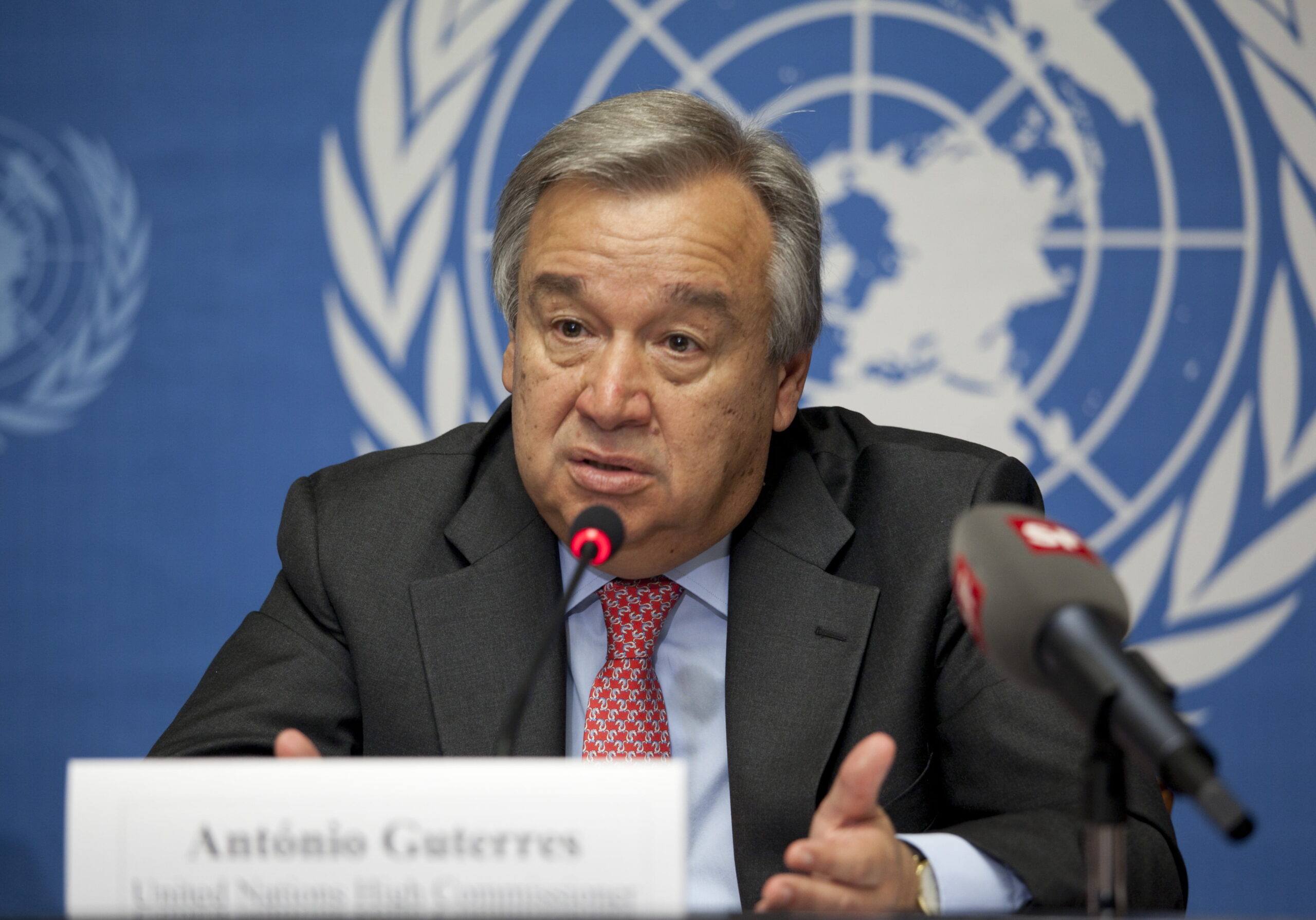
UN Secretary-General Antonio Guterres has urged both nations to uphold the truce and end the violence, noting on X, “The fighting must stop.
The people of the two countries have already suffered too much.” He expressed hope that the agreement could serve as a model for resolving other conflicts in the region, including the ongoing war in Gaza.
As the ceasefire began Tuesday, Iran signaled its readiness to resume nuclear negotiations with the United States, despite the toll of recent Israeli strikes on its nuclear facilities. President Masoud Pezeshkian, while showing openness to talks, reaffirmed Tehran’s stance on atomic energy, insisting the country would continue to “assert its legitimate rights” to peaceful nuclear use.
Tensions escalated further when the United States joined Israel’s campaign, targeting Iranian nuclear sites. In retaliation, Iran launched missiles at a US base in Qatar. US President Donald Trump responded by urging de-escalation and unveiling the framework of a truce within hours.
During a call with the Emirati president, Pezeshkian emphasized Iran’s desire to resolve issues diplomatically, saying, “It has never sought to acquire nuclear weapons and does not seek them,” as quoted by IRNA. He added, “Iran is ready to resolve the issues… at the negotiating table.”
Israel, whose campaign began on June 13, claimed the offensive was meant to prevent Iran from developing nuclear weapons — an accusation Tehran has consistently denied. Despite early violations, both nations eventually agreed to respect the ceasefire terms. Israel stated it had “achieved all the objectives of Operation Rising Lion and much more,” claiming to have neutralized threats from Iran’s nuclear and missile programs.
Iran’s top security agency, in turn, portrayed the ceasefire as a strategic win, asserting that its military compelled Israel to halt hostilities. The Islamic Revolutionary Guard Corps described its final barrage of missiles as “a historic and unforgettable lesson to the Zionist enemy.”
Tragically, the final hours of combat were marked by bloodshed. In Beersheba, southern Israel, a missile strike killed four people. Meanwhile, Iran confirmed the death of nuclear scientist Mohammad Reza Seddighi Saber in a northern airstrike by Israel.
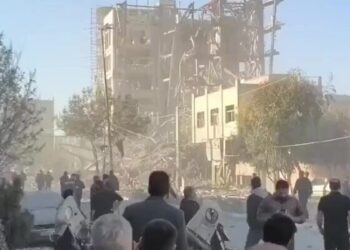
Throughout the conflict, Israeli airstrikes targeted Iranian military and nuclear sites, while Iranian missiles hit Israeli cities and military infrastructure. The US struck with bunker-busting bombs and Iran answered with an assault on America’s largest Middle East base — a move Trump dismissed as “weak,” thanking Iran for advance notice.
Iran’s National Security Council later claimed that it had matched the number of US bombs with its own missile count, a symbolic act of retaliation. Analyst Ali Vaez noted that Iran’s response appeared carefully calculated to avoid American casualties, allowing both sides a face-saving exit.
The ceasefire has been met with mixed emotions on both sides. In Tel Aviv, Israeli citizen Tammy Shel expressed exhaustion from the violence, saying, “Everyone is tired. We just want to have some peace of mind.” In Iran, however, the mood remained wary. A 28-year-old named Amir, speaking from the Caspian Sea coast, confessed, “I really don’t know… about the ceasefire but honestly, I don’t think things will return to normal.”
Casualty reports highlight the scale of devastation: Iranian authorities say Israeli strikes killed over 610 civilians and injured more than 4,700, while Israel recorded 28 deaths from Iranian attacks.
Reactions from the global community included support from Saudi Arabia, the European Union, and cautious optimism from Russia. French President Emmanuel Macron voiced concern that the strikes on Iran’s nuclear sites might lead Tehran to secretly pursue uranium enrichment — a central point of contention in past talks between Iran and the US.
As eyes shift toward Gaza, pressure is building for an end to the Israel-Hamas conflict. The Palestinian Authority, Israel’s opposition figures, and families of hostages all echoed calls for a ceasefire, hoping the Iran-Israel truce could pave the way for wider peace in the region.
What you should know
After nearly two weeks of intense conflict, Iran and Israel have agreed to a ceasefire brokered with US involvement. The fragile truce, reached after mutual attacks on nuclear and military targets, has raised hopes for diplomatic re-engagement — though both nations remain firmly entrenched in their positions.
Global powers have welcomed the pause, but uncertainty looms over its longevity and the implications for ongoing Middle East tensions.