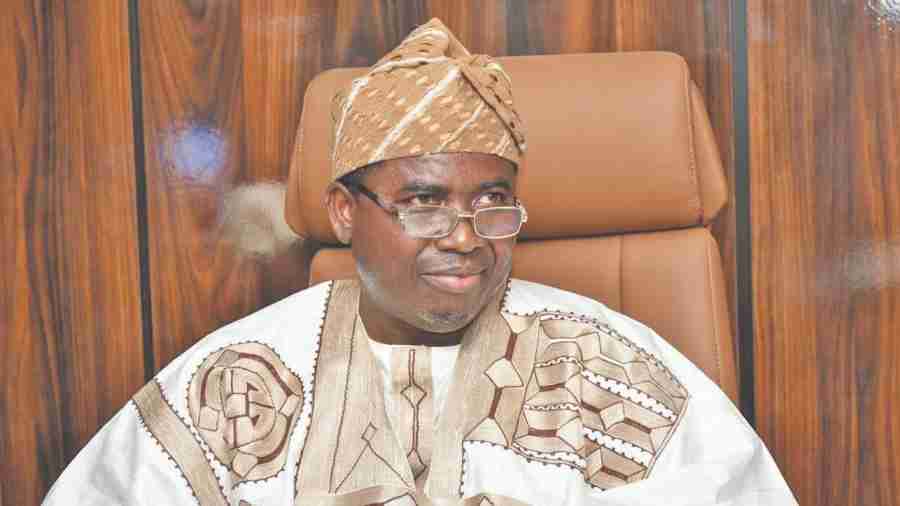
The Chairman of the Independent National Electoral Commission (INEC), Professor Joash Ojo Amupitan, has issued a stern warning ahead of the 2027 general elections, calling for the immediate arrest and prosecution of individuals involved in vote-buying across Nigeria.
Speaking in a video message currently circulating online, the INEC chairman described vote-buying as a serious criminal offence capable of undermining the credibility of the country’s electoral process.
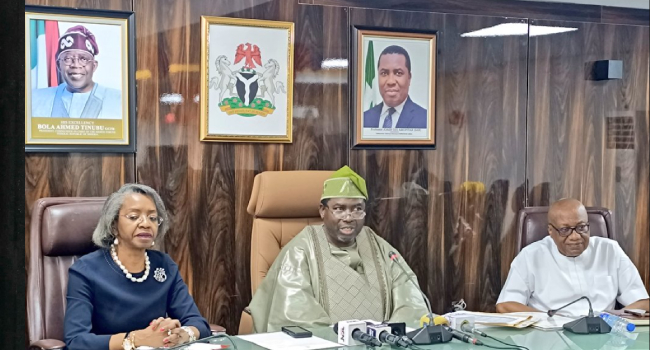
According to him, security agencies must intensify efforts to combat the practice before, during and after elections.
“Vote buyers must be arrested and prosecuted. It is a criminal offence under the Electoral Act,” Amupitan stated.
The INEC chairman specifically urged the Nigeria Police Force, the Economic and Financial Crimes Commission (EFCC), and other security and anti-corruption agencies to strengthen surveillance operations and enforce electoral laws strictly as political activities begin to gather momentum ahead of the 2027 elections.
His remarks come amid renewed concerns over the increasing influence of money politics and vote-buying during elections in Nigeria, a challenge many observers say continues to threaten electoral transparency and democratic credibility.
Over the years, several elections across different states have witnessed allegations of cash inducement at polling units, with political actors accused of influencing voters through financial incentives and material gifts.
Amupitan’s latest comments appear to signal a tougher stance by the electoral commission as preparations for the next general election gradually intensify.
The INEC chairman, who assumed office in late 2025 and is also a Senior Advocate of Nigeria (SAN), has repeatedly pledged to strengthen the integrity of Nigeria’s electoral system.
Since taking over leadership of the commission, he has spoken about the need to address major electoral challenges, including vote-buying, voter intimidation, logistical failures and low public confidence in election outcomes.
However, the latest warning has generated mixed reactions among Nigerians online.
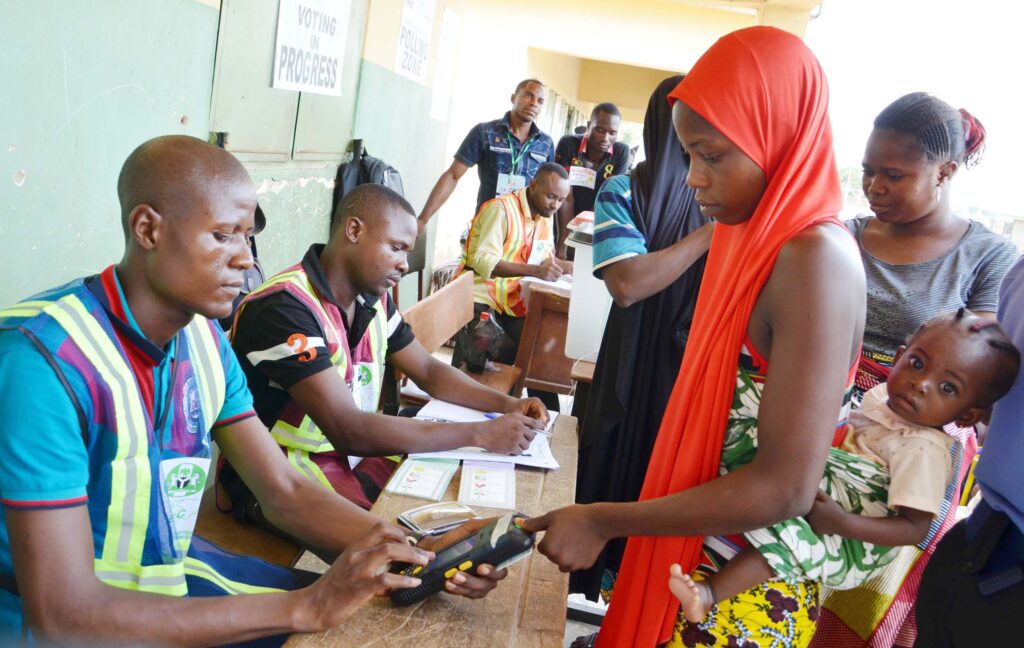
While some citizens welcomed the statement and described it as a positive step toward improving election credibility, others expressed doubts over whether the warning would translate into real enforcement.
Several social media users argued that similar promises had been made during previous election cycles without significant prosecution of offenders.
Some critics also pointed to the continued influence of political money at polling units, claiming that weak enforcement and selective prosecution have allowed the practice to persist despite existing laws.
Political analysts believe that tackling vote-buying remains one of the biggest tests facing INEC and security agencies ahead of the 2027 general elections.
Many observers argue that beyond public warnings, there must be visible arrests, investigations and prosecutions to restore public trust in Nigeria’s democratic process.
As political activities continue to increase across the country, attention is expected to remain on how INEC and security agencies respond to electoral offences in the coming months.
What you should know
Vote-buying has remained one of the most controversial issues in Nigeria’s electoral process over the years.
The practice involves politicians or their agents offering money or gifts to voters in exchange for electoral support. Although the Electoral Act criminalises vote-buying, enforcement has often been criticised as weak, with very few offenders prosecuted successfully.
Professor Joash Ojo Amupitan became INEC chairman in late 2025 and has repeatedly promised reforms aimed at improving electoral credibility.
Analysts believe public confidence in Nigeria’s elections will depend heavily on whether security agencies and INEC can effectively tackle vote-buying, voter intimidation and other forms of electoral malpractice ahead of the 2027 general elections.