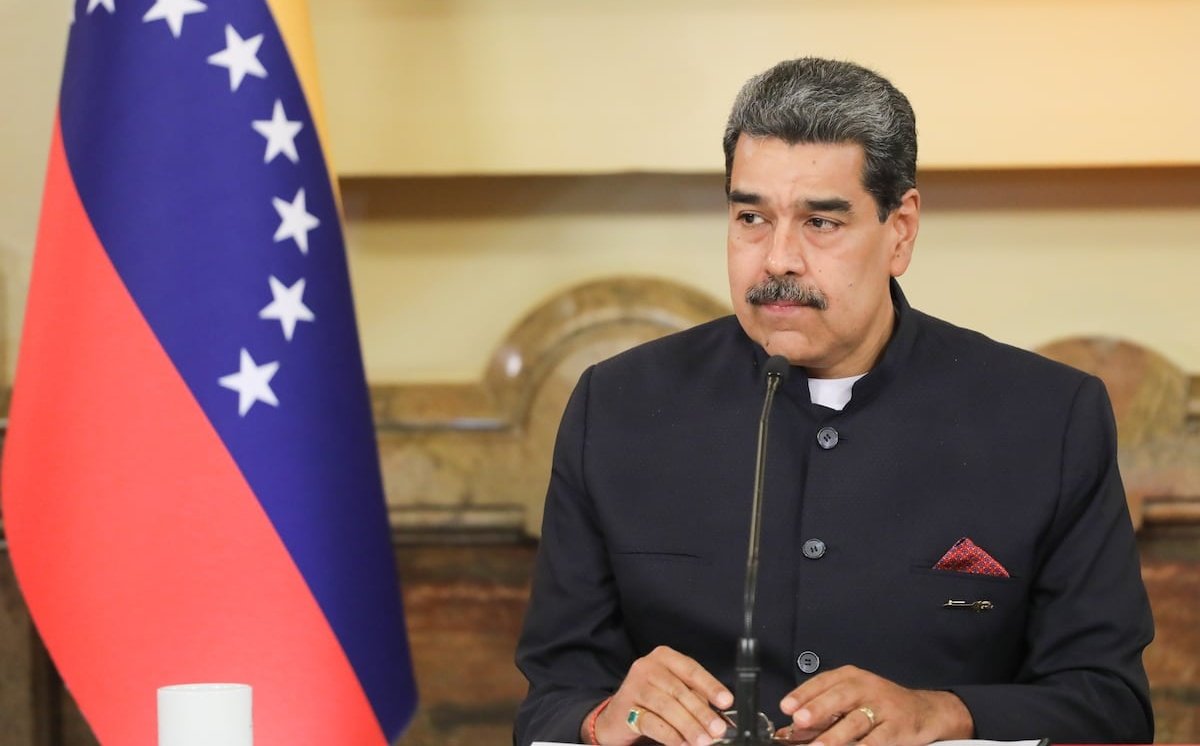
World leaders have continued to issue mixed reactions following the United States’ military strike in Venezuela and the arrest of the country’s leader, Nicolas Maduro.
From Europe to Asia and Latin America, governments have differed sharply in how they view the operation, highlighting growing divisions over international law, sovereignty, and the use of force.
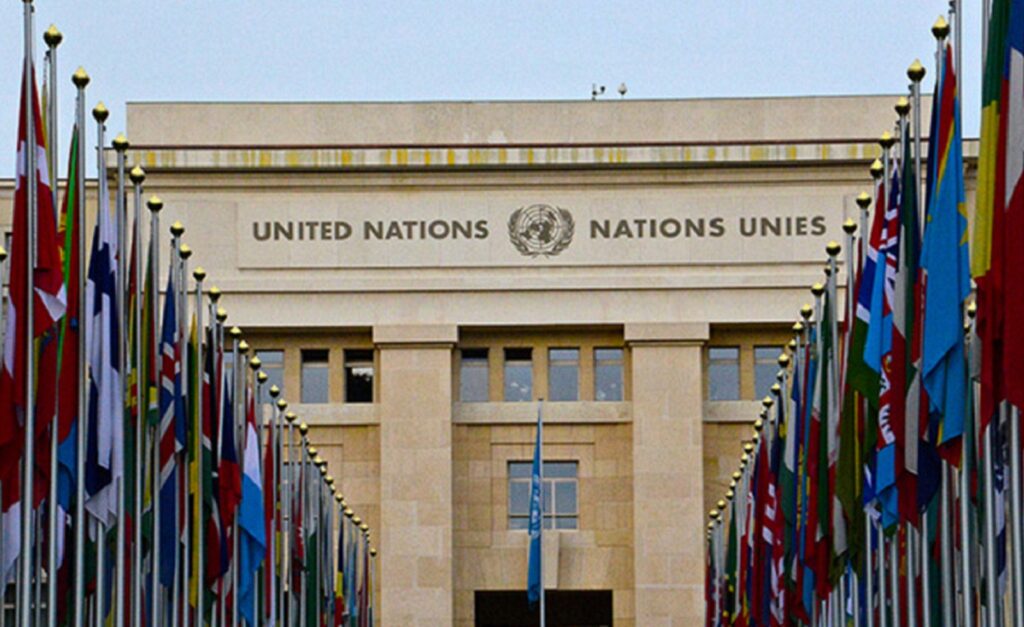
At the United Nations, the Security Council is set to meet on Monday to deliberate on the US action in Caracas. The Somali presidency of the Council confirmed that the emergency session, scheduled for 10:00 am (1500 GMT), was requested by Venezuela and conveyed through Colombia, according to diplomatic sources.
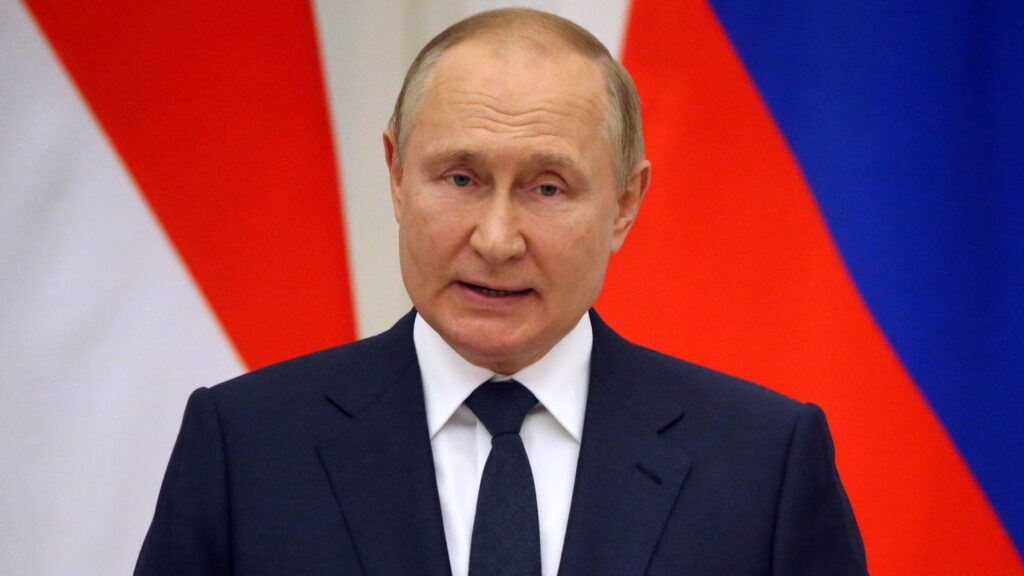
Russia reacted strongly, calling on Washington to immediately free the Venezuelan leader and his wife after what it described as their shocking capture by US forces. Moscow urged the American leadership to “reconsider its position and release the legally elected president of the sovereign country and his wife,” stressing concerns over sovereignty and precedent.
Italy struck a more supportive tone. Prime Minister Giorgia Meloni defended the US military move, describing it as legitimate “defence,” while also cautioning that foreign military force should not be used as a tool for regime change. She argued that defensive intervention could be justified in cases involving hybrid threats to security, particularly where state entities are accused of fueling drug trafficking.
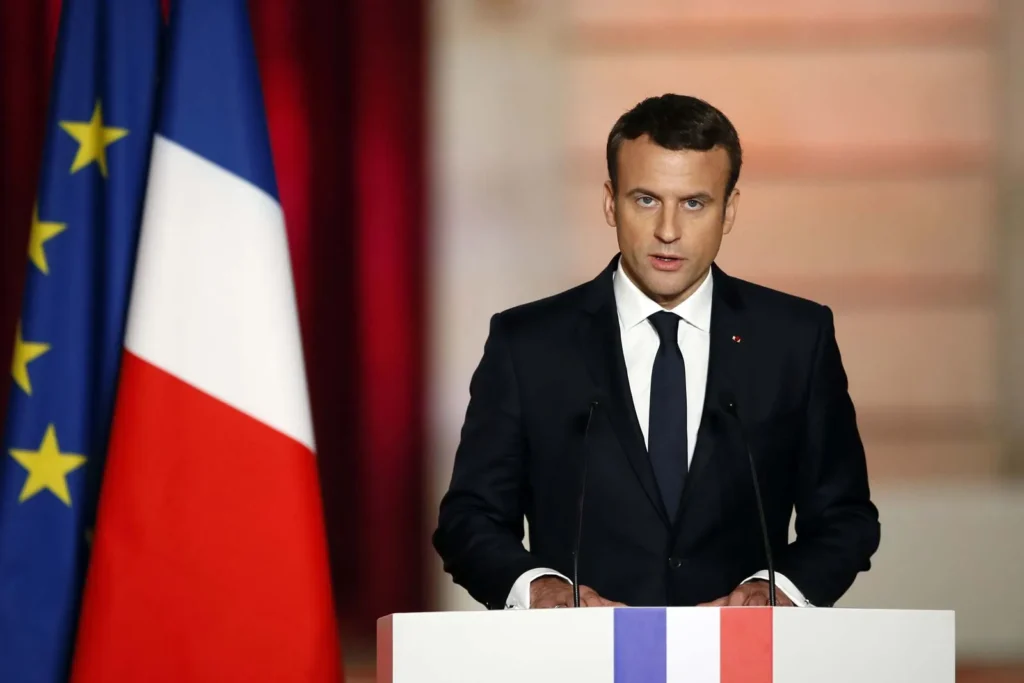
France took the opposite stance, condemning the American operation and warning that it undermined international law. While acknowledging that Maduro “gravely violated” the rights of Venezuelans, French Foreign Minister Jean-Noel Barrot said the operation “contravenes the principle of non-use of force, which underpins international law.” He added that “no lasting political solution can be imposed from the outside,” cautioning that repeated violations of this principle by major powers could have serious global security consequences.
Turkey urged restraint, calling on all sides to avoid actions that could worsen regional and international stability. Ankara warned that the situation could lead to broader security repercussions if not handled carefully.
In Latin America, Brazil reacted with strong condemnation. President Luiz Inacio Lula da Silva described the US attack as a “serious affront” to Venezuela’s sovereignty, saying the bombings and capture of its president crossed “an unacceptable line.” He warned that such actions threaten the region’s status as a zone of peace and called on the international community, through the United Nations, to respond decisively.
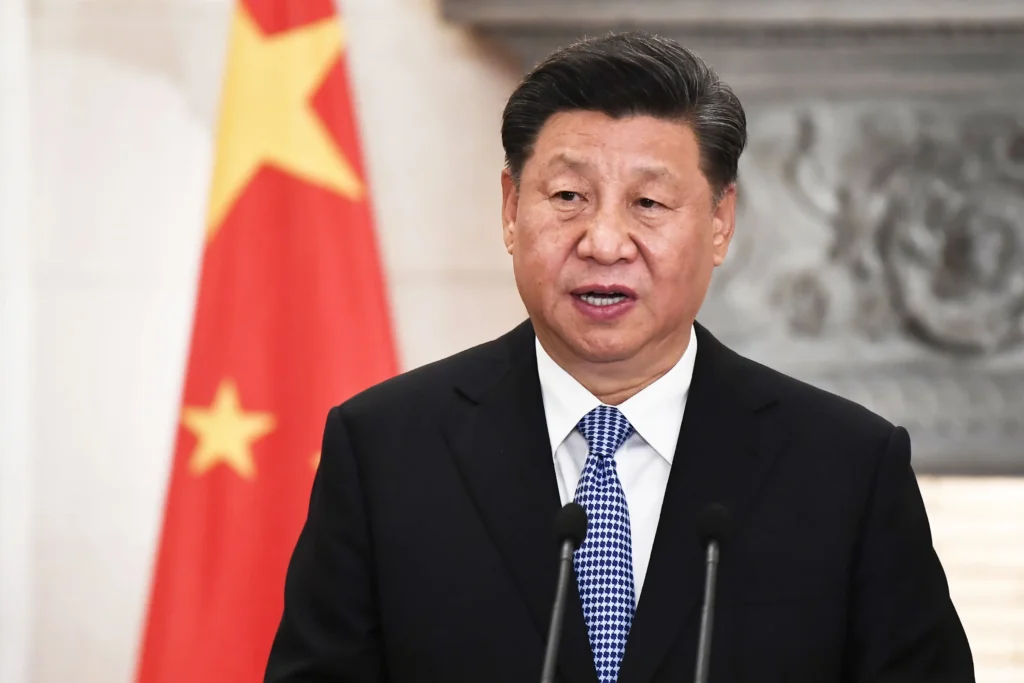
China also denounced the US action, saying it was “deeply shocked” and “strongly condemns” what it described as a blatant use of force against a sovereign state. Beijing accused Washington of hegemonic behaviour, stating that the move violated international law, infringed on Venezuela’s sovereignty, and threatened peace and stability across Latin America and the Caribbean.
The United Kingdom adopted a cautious position. Prime Minister Keir Starmer said all countries should “uphold international law” and stressed that the UK had no involvement in the operation. Describing the situation as “fast-moving,” he said he wanted to speak with President Donald Trump and allied leaders while awaiting further details.
Germany’s Chancellor Friedrich Merz offered a nuanced response. He said Maduro had “led his country to ruin” and pointed to Germany’s refusal to recognise Venezuela’s last election, which he described as rigged. Merz also accused Maduro of playing a problematic regional role, including links to the drug trade.

However, he acknowledged that the legal aspects of the US action were “complex” and reiterated that international law must guide relations between states, warning against further political instability in Venezuela.
What you should know
The US strike in Venezuela and the arrest of President Nicolas Maduro have triggered sharply divided reactions worldwide.
While countries like Italy have defended the action as legitimate defence, others including France, China, Brazil and Russia have condemned it as a violation of international law and national sovereignty. The United Nations Security Council is set to hold an emergency meeting, reflecting the seriousness of the situation.
With global powers split and legal questions unresolved, the incident risks escalating diplomatic tensions and raising concerns about regional and international security.