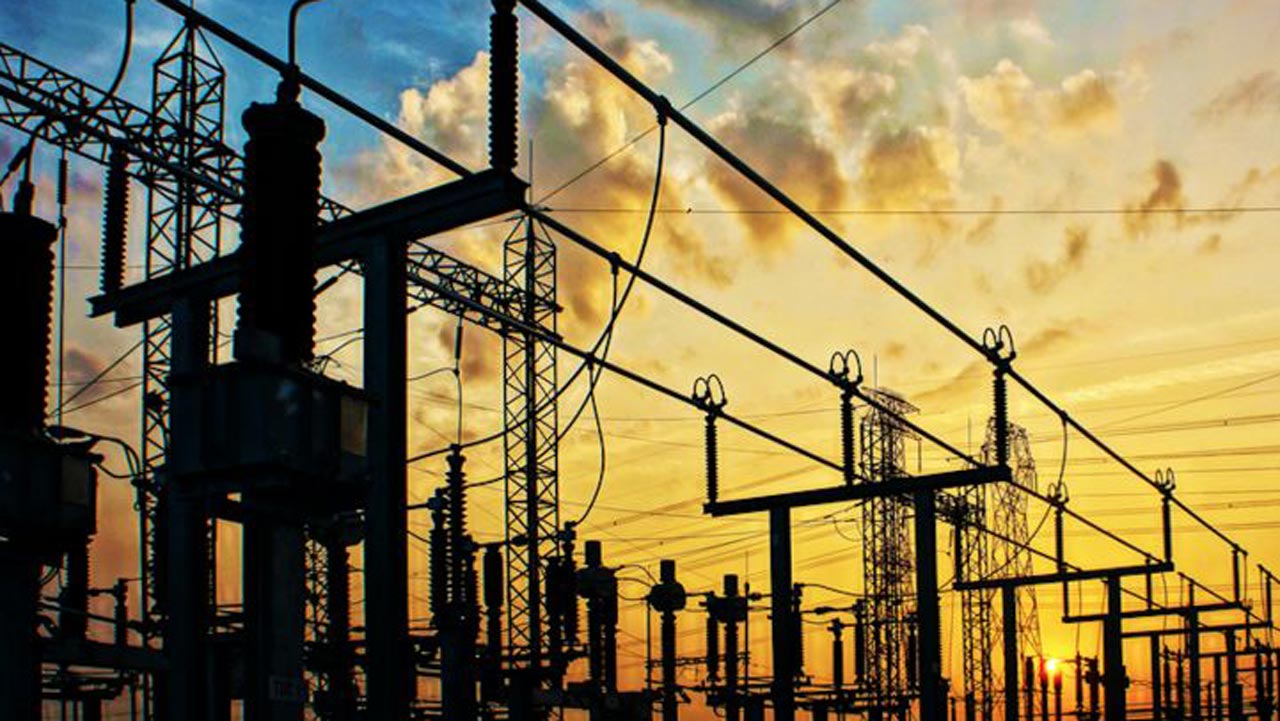
As sweltering heat grips the nation and businesses grind to a halt, Nigeria’s electricity crisis has escalated into a full-blown emergency, with widespread blackouts attributed to severe gas supply constraints crippling thermal power plants.
The Nigerian Independent System Operator (NISO) has sounded the alarm, revealing that average power generation has plummeted to around 4,300 megawatts (MW)—a fraction of the country’s installed capacity of over 13,000 MW—leaving homes, hospitals, and industries reliant on costly generators or facing prolonged darkness.
The outages, which intensified in early February, stem from scheduled maintenance on critical gas infrastructure by the Nigerian National Petroleum Company Limited (NNPC) and Seplat Energy, disrupting deliveries to key thermal stations.
But experts and industry insiders are pointing to a more insidious root cause: a festering liquidity crisis in the power sector, where unpaid debts to generation companies (GenCos) have ballooned to an estimated N6.5 trillion, hampering their ability to secure gas supplies and maintain operations.
This debt, accumulating at a staggering N2.4 trillion annually, has left GenCos insolvent and unable to invest in repairs or expansions, with gas suppliers demanding upfront payments amid the financial turmoil.
In a stark illustration of the shortfall, NISO’s data shows that thermal plants require 1,629.75 million standard cubic feet (mmscf) of gas daily for optimal output. Yet, as of February 23, only 692 mmscf—less than 43% of the needed volume—was available, forcing operators to ration power and implement load shedding across distribution companies (DisCos) to avert total grid collapse. “When total system generation drops significantly, the Independent System Operator must implement load shedding across the system… to maintain grid stability and prevent system disturbances,” NISO explained in its statement.
Thermal plants, which dominate Nigeria’s energy mix at over 70% of generation, have been hit hardest. With gas-fired facilities operating far below capacity due to pipeline vandalism, foreign exchange shortages, and the unresolved payment backlog, the grid’s reliability has eroded.
The national grid has suffered at least four major collapses since November 2025, including incidents in January and February 2026 that plunged entire regions into blackout. In one notable event on February 19, the Port Harcourt DisCo lost all supply, exacerbating outages in the south.
Amid the chaos, hydroelectric plants have emerged as unlikely saviors, shouldering nearly 45% of the load from February 1 to 21. Stations like Kainji (546.3 MW average), Jebba (424.7 MW), and Shiroro have ramped up output to compensate for the thermal shortfall, leveraging seasonal water levels to keep the grid afloat. However, even this lifeline is tenuous, as low water levels in some reservoirs and ongoing maintenance issues threaten further dips.
The economic toll is mounting. Small businesses, from Lagos street vendors to Abuja manufacturers, report losses in the billions of naira daily, with perishable goods spoiling and production lines idling.
Households, already burdened by inflation, are spending fortunes on fuel for generators—a grim irony in Africa’s largest oil producer. “This isn’t just about lights flickering; it’s about livelihoods flickering out,” said a Lagos-based entrepreneur who spoke on condition of anonymity, echoing widespread frustration voiced on social media platforms.
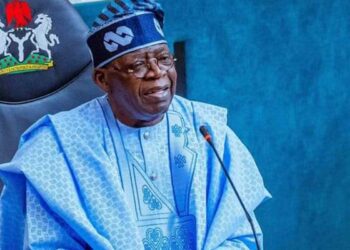
President Bola Tinubu recently approved N2.8 trillion to settle part of the subsidy-related debts dating back to 2010, but GenCos, through the Association of Power Generation Companies (APGC), have dismissed it as inadequate, demanding a full audit and payment of the verified N6.5 trillion.
The federal government, which subsidizes electricity at N250 billion monthly but pays only 35% of that commitment, has left the sector in a vicious cycle of underpayment and underperformance. APGC’s CEO, Dr. Joy Ogaji, warned that without urgent reforms—including enforceable contracts, capacity payments, and debt resolution—the debt could swell to N8.5 trillion by year’s end, risking total sector collapse.
Looking ahead, optimism is scarce. The Abuja Electricity Distribution Company (AEDC) claims power issues could be resolved by 2027 through loss reductions and partnerships with NNPC, but such pledges ring hollow amid repeated grid failures and unfulfilled promises.
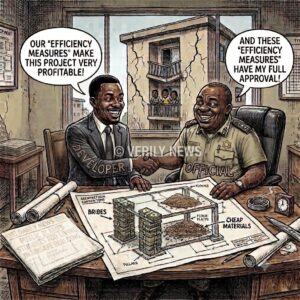
Critics, including labor unions, argue that mismanagement and lack of meritocracy in the sector perpetuate the crisis, calling for comprehensive overhauls beyond bailouts.
As Nigerians endure another day of uncertainty, the question looms: Will the lights come back on, or will the shadows of debt and inefficiency engulf the nation’s power ambition?
WHAT YOU SHOULD KNOW
Nigeria’s ongoing nationwide power outages boil down to one critical factor—severe gas supply shortages to thermal power plants.
Thermal stations, which generate the majority of the country’s electricity, are receiving less than 43% of the gas they need daily (692 mmscf instead of the required 1,629.75 mmscf).
This single constraint has slashed average generation to just ~4,300 MW, forced widespread load shedding, and left millions of Nigerians in prolonged darkness since early February 2026. Until gas supply is reliably restored and sustained, a significant improvement in electricity availability remains unlikely.