The federal government has intensified efforts to resuscitate Nigeria’s dormant textile factories and the long-abandoned Ajaokuta Steel Company in what officials describe as a decisive step toward repositioning the country’s industrial base and accelerating its drive toward a $1 trillion economy.
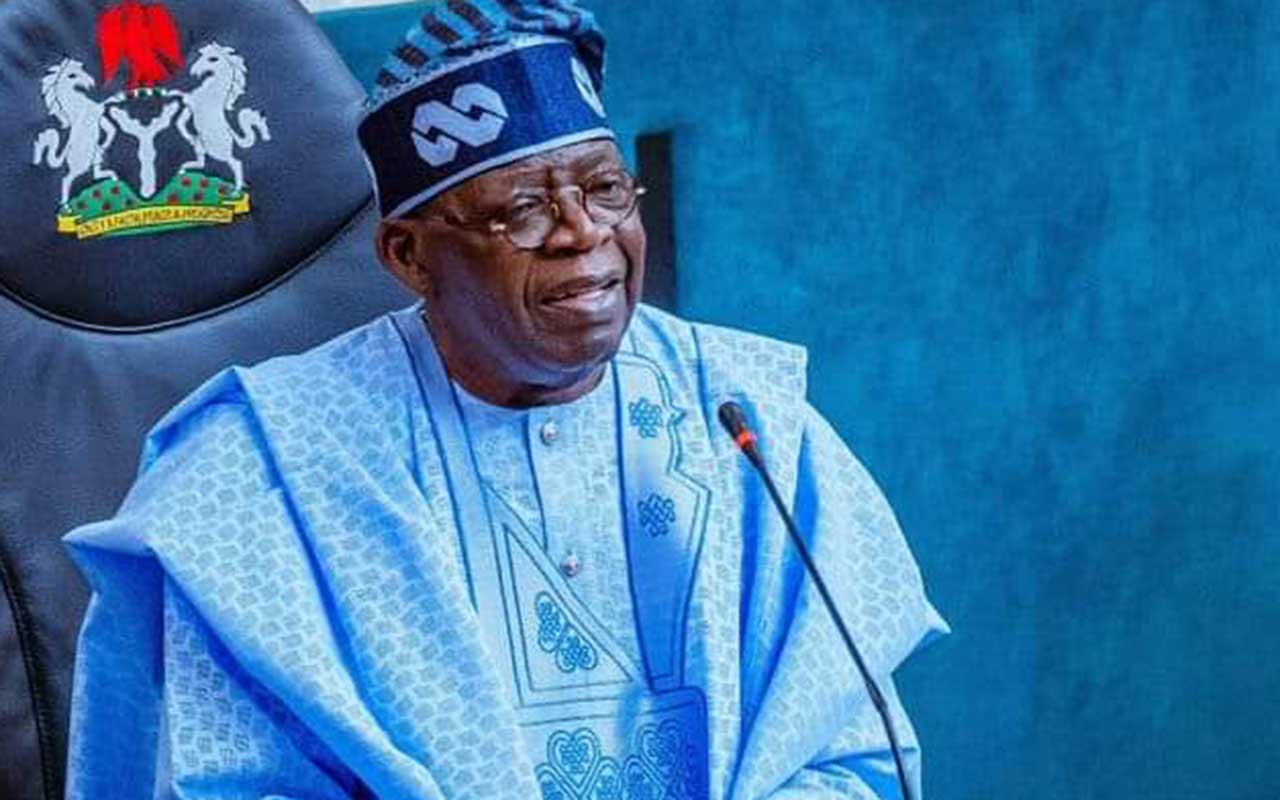
Minister of State for Industry, Senator John Enoh, disclosed the fresh push during an interview on Channels Television on Tuesday, saying the Tinubu administration was rolling out the National Industrial Policy (NIP) to boost manufacturing, generate jobs, and anchor the country’s broader economic diversification agenda.
Once one of Africa’s largest textile hubs, Nigeria’s cotton, textile, and garment sector has been in steady decline for more than two decades, with mills in Kano, Kaduna and other industrial cities shutting down amid high energy costs, cheap imports, and smuggling.
Enoh said the government was now working to reverse that trend through a coordinated Cotton, Textile, and Garment Industrial Transformation Program designed to reconnect the three ends of the value chain: growers, manufacturers, and garment producers, which he identified as “the missing link” in previous revival attempts.
The minister said the government was in active discussions with investors and development partners interested in converting some of the moribund textile factories into full-fledged industrial parks, adding that he expected the relevant agreements to be finalized within weeks.
On Ajaokuta Steel, Enoh’s comments come as the federal government’s long-running effort to revive the plant appears to be gathering fresh momentum.
Established in 1979 and still yet to produce a ton of liquid steel, the Kogi State complex has for decades stood as a symbol of Nigeria’s stalled industrialization ambitions, absorbing billions of naira in government upkeep, including roughly ₦6.69 billion budgeted for it in 2026, over 90 percent of which goes toward personnel costs without returning to production.
Enoh told Channels Television that he was set to meet with an international consortium interested in the plant “in the next few days,” expressing optimism that the engagement would yield positive results.
His remarks align with recent statements from the Minister of Steel Development, Sha’ibu Abubakar Audu, who has said the government expects to conclude and sign an agreement with a Chinese investor for Ajaokuta’s revival before the end of 2026.
Officials have indicated the deal could be worth between $1.5 billion and $2 billion, structured around a production-sharing model that would let the investor recoup costs through a declining share of output rather than an outright sale of the asset.
The steel complex has also seen incremental progress on the energy front: NNPC Limited and gas industry partners recently signed a 20-year gas supply agreement to power the plant, alongside plans for mini-LNG facilities within the complex that officials say are aimed at removing one of the key operational bottlenecks that have long stood in the way of Ajaokuta’s restart.
“There is no meaningful industrialization without steel,” Enoh said, describing the ongoing conversations with the international consortium as part of a broader push to put the steel sector at the center of Nigeria’s industrial revival.
Enoh described industrialization as the bedrock of the federal government’s economic strategy, arguing that no serious growth agenda could succeed without a strong production base.
“We cannot build a one-trillion-dollar economy without production,” he said. “You can put fiscal and monetary policies in place, but production remains the key to economic growth.”
He noted that the National Industrial Policy, launched in February, was the first comprehensive industrial policy Nigeria had produced in decades and came with an implementation framework that assigns clear responsibilities and requires quarterly progress reporting, a structure officials say is intended to guard against the policy fatigue that has undermined past industrial strategies.
Under the NIP, the government is targeting a rise in industry’s contribution to GDP to about 25 percent by 2030, up from its current relatively low share, with Enoh pointing out that “every industrialized nation has a strong manufacturing base.”
Beyond textiles and steel, Enoh said the government was pursuing a broader strategy to reduce Nigeria’s reliance on raw material exports by promoting local value addition, while also expanding manufacturers’ access to affordable, long-term financing through institutions such as the Bank of Industry.
He also pointed to the Nigeria First Policy, which is designed to boost patronage of locally made goods across government procurement and, by extension, the wider economy, as a key plank of the industrialization drive.
On the perennial challenge of energy costs long cited by manufacturers as their single biggest operational burden, Enoh acknowledged that power alone accounts for about 40 percent of production costs for many firms.
“That is why we are working on practical solutions that will make power more affordable and reliable for industry,” he said, without giving specific timelines for when manufacturers might begin to feel relief.
Enoh’s disclosures suggest a period of accelerated activity is expected on both fronts in the coming weeks, with textile industrial park agreements reportedly close to completion and a widely anticipated deal on Ajaokuta Steel now within sight, according to officials, before the end of the year.
Whether these engagements translate into signed, bankable agreements and eventually running factories and furnaces will be the real test of a policy that has so far outlined ambition on paper but, on Ajaokuta in particular, is racing against nearly half a century of unmet promises.
WHAT YOU SHOULD KNOW
The federal government is pushing to revive Nigeria’s textile industry and Ajaokuta Steel as the cornerstone of its industrialization drive, but the key factor to watch is whether talk finally turns into action.
With textile industrial park deals said to be weeks away and an Ajaokuta agreement with Chinese investors expected before year-end, 2026 could be the year Nigeria either breaks a decades-long cycle of unfulfilled industrial promises or adds another chapter to it.