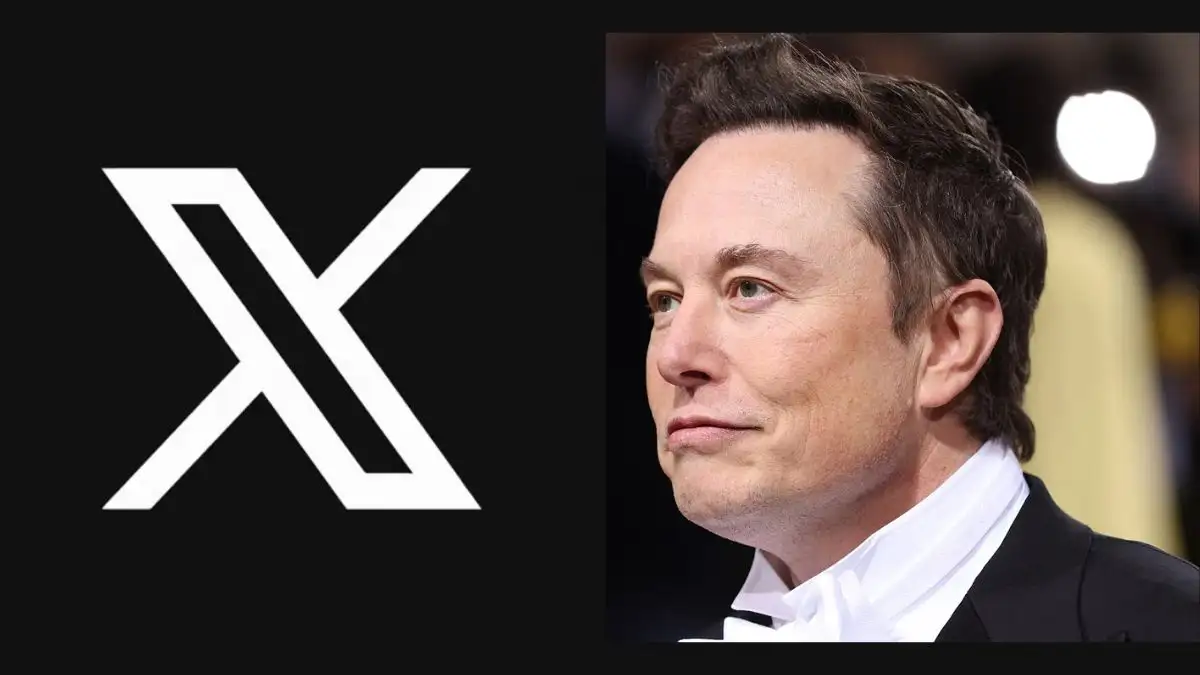
Elon Musk’s social media platform, X, has raised concerns over a new law introduced by the British government, aimed at shielding children from harmful digital content, including pornography.
In a public statement shared on Friday through its Global Government Affairs account, X accused the UK authorities of stretching their regulatory powers beyond reasonable limits under the recently enacted Online Safety Act.
The company acknowledged that while the law’s purpose to protect minors is admirable, its wide-reaching implications could seriously undermine fundamental rights. It expressed fear that the initiative, which was originally framed as a safeguard for children, may in fact end up curtailing public discourse and individual liberties. “A plan ostensibly intended to keep children safe is at risk of seriously infringing on the public’s right to free expression,” the platform stated, warning that the broader effect “shows what happens when oversight becomes overreach.”
X also challenged the rationale behind an additional code of conduct introduced for online platforms, labeling it “parallel and duplicative.” Moreover, it expressed skepticism about a new police division tasked with overseeing activity on social media, suggesting this further complicates an already expansive framework and raises new questions about the protection of free speech.
Despite its criticism, X has moved to comply with the new legal framework. The platform has launched age verification features in alignment with both the UK’s Online Safety Act and similar legislation now in place in Ireland and across the European Union. These new systems aim to confirm users’ ages using a variety of methods, including artificial intelligence and government-issued identification.
Ofcom, the British media regulator, has emphasized that such age checks, which became mandatory on July 25, must meet strict standards of technical precision, resilience, and fairness. Failure to adhere to these regulations could result in platforms facing hefty penalties—up to £18 million, or 10 percent of their total global revenue, depending on which amount is larger. Companies that repeatedly violate the rules could even face the prospect of being blocked entirely from operating within British territory.
The conversation around age verification in the UK mirrors similar disputes in other parts of the world. In France, for instance, authorities have introduced comparable requirements for pornography websites. Several U.S. states have also mandated platforms to implement age checks for sensitive content. While these steps have received praise from those advocating for child safety, opponents argue that they pose serious privacy concerns. Critics fear that storing personal information for verification purposes could lead to data breaches or even identity theft.
In response to these changes, many users in the UK have begun using virtual private networks to bypass the newly imposed content restrictions. VPN applications have dominated the free app charts on Apple’s UK App Store since the law came into effect. One of the most downloaded, Proton VPN, saw a staggering 1,800 percent increase in installations over the past week, as reported by local media.
What you should know
The United Kingdom’s Online Safety Act was designed to protect minors from inappropriate and harmful content online, but it has ignited a broader debate about digital freedom and government overreach.
Elon Musk’s X, along with other critics, argues that while protecting children is important, the sweeping nature of the law risks silencing lawful expression and threatening user privacy. As a result of compliance demands, companies now rely on AI and sensitive personal data to verify age, which could expose users to cyber risks.
The surge in VPN downloads reveals growing resistance among users to these tightening regulations.