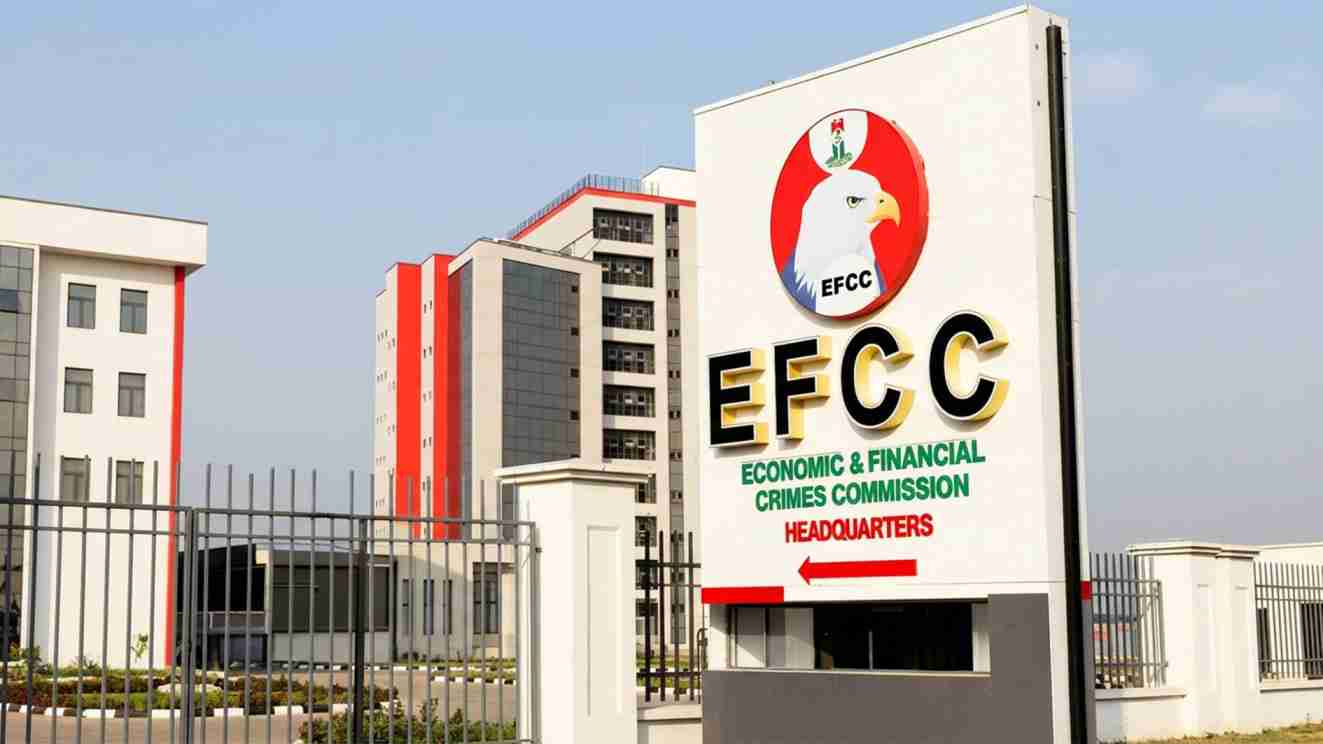
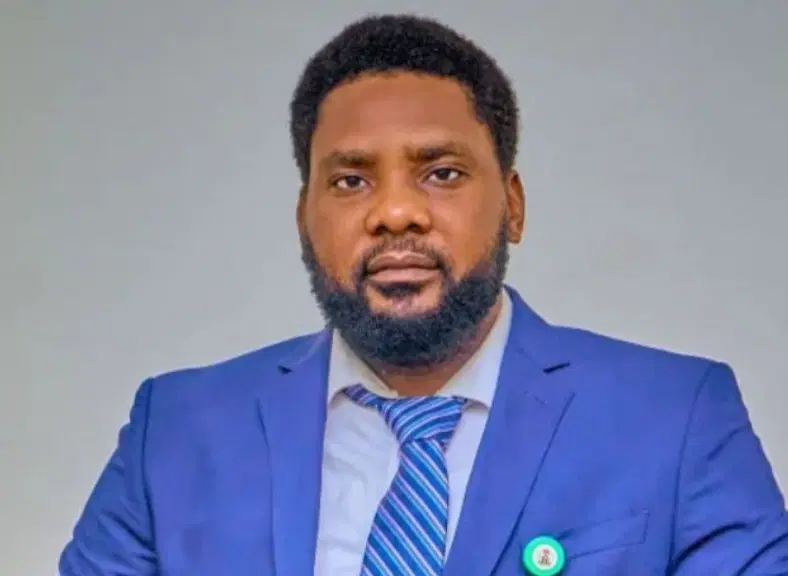
Operatives of the Economic and Financial Crimes Commission have arrested the Director-General of the Energy Commission of Nigeria, Mustapha Abdullahi, over alleged money laundering involving more than ₦500 billion.
The arrest was reportedly carried out in Abuja on Wednesday, placing the federal energy agency under intense scrutiny as investigators examine financial transactions linked to the alleged fraud.
According to a source who spoke to Vanguard, Abdullahi was taken into custody by operatives of the anti-graft agency and is currently being questioned.
“He was arrested in Abuja on Wednesday and is in the custody of the EFCC.”
The source further disclosed that investigators are interrogating him over allegations of large-scale financial misconduct.
“Investigators are grilling him over alleged money laundering involving more than ₦500 billion, and he is expected to spend the night at the EFCC headquarters in Abuja,” the source stated.
The development comes shortly after the conviction of former Minister of Power, Saleh Mamman, in connection with a ₦33.8 billion fraud case.
The timing of the arrest has intensified attention on Nigeria’s power and energy sector, which has repeatedly faced allegations of financial irregularities and accountability concerns.
Efforts to obtain an official response from the EFCC were unsuccessful as of the time of filing this report.
The commission’s spokesperson, Dele Oyewale, could not be reached for comment.
As of now, no formal charges have been publicly announced against Abdullahi, and the EFCC has yet to issue an official statement confirming the arrest.
The investigation is expected to shed more light on the nature of the alleged transactions and whether additional officials may be implicated.
What You Should Know
The reported arrest of the Energy Commission DG signals a fresh anti-corruption probe within Nigeria’s energy sector, coming on the heels of Saleh Mamman’s conviction over multi-billion naira fraud.
The EFCC’s focus on high-ranking officials reflects increasing scrutiny of financial management in agencies linked to power and infrastructure development. If confirmed, the scale of the alleged ₦500 billion money laundering case could rank among Nigeria’s largest corruption investigations.
However, until formal charges are filed and official details released, the allegations remain under investigation and subject to judicial determination.