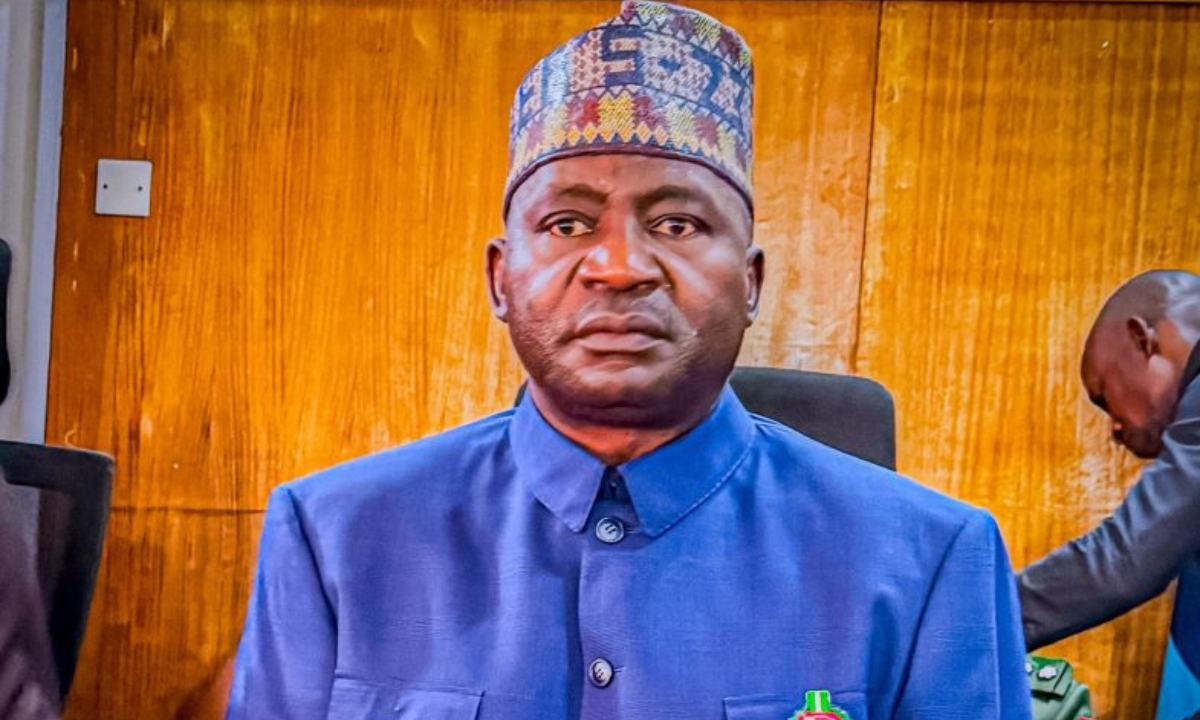
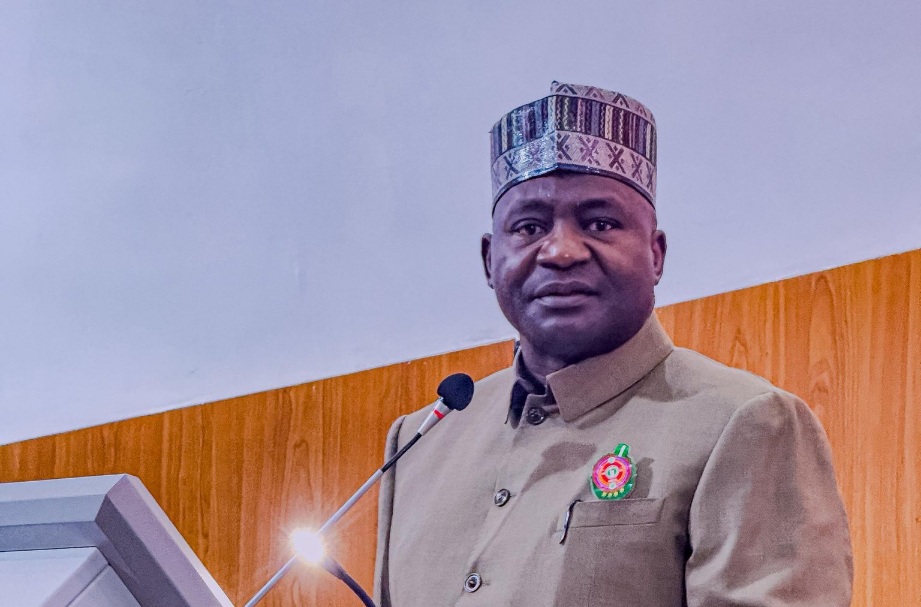
The Minister of Defence, General Christopher Musa (retd.), has dismissed concerns that Nigeria’s expanding security cooperation with Türkiye could weaken its long-standing relationship with the United States, stressing that the country remains firmly committed to a non-aligned foreign policy.
General Musa made this clarification during an interview on Channels Television’s Sunday Politics while responding to fears that recent defence agreements with Türkiye might strain ties with Washington, particularly in light of ongoing US military assistance to Nigeria.
The former Chief of Defence Staff explained that Nigeria’s foreign and defence policy is structured to allow engagement with multiple global partners in pursuit of its national interest.
“Nigeria is now a non-aligned nation, which means we can partner with everybody. Once you are a friendly nation to us, we are friends, and we can relate directly.
“That is why we can deal with China, Türkiye, and the United States. The idea of isolating yourself with just one group is not the best for anybody,” he said.
According to the defence minister, maintaining diverse defence relationships gives Nigeria strategic flexibility, pointing to Egypt as an example of a country that benefits from working with several international partners simultaneously.
“You can see in Egypt that they have support from several countries. It is important to keep that leverage so you can continue to move forward,” he added.
Musa also confirmed that military equipment and defence technology from Türkiye would soon begin arriving in Nigeria following the conclusion of bilateral defence agreements between both countries.
“Very soon. Some of them are already ready. We are working on the paperwork now. The signing has been done, and we will proceed with discussions, training, and capacity building.
“Some of these are quick interventions that will come in, and we are going to deploy them as fast as possible,” he said.
He noted that the agreements extend beyond the purchase of equipment, with strong emphasis on military education, joint exercises, and cooperation between defence industries.
“What we signed is essentially putting pen to paper on our friendship and military cooperation. It involves military education, exchange of officers, and training of troops. They will send their personnel here, and we will send ours there,” the minister explained.
General Musa further disclosed that Nigeria is keen on adopting Türkiye’s defence production framework, saying the partnership would support technology transfer and enable local manufacturing of military equipment.
“On defence industry cooperation, we have not done much in production before, and we want to replicate what they have achieved.
“They can come here, produce the same standard equipment they have in Türkiye, transfer the technology, and make it Nigerian-owned,” he said.
He added that the collaboration would enhance Nigeria’s internal security system, boost defence capabilities, and improve access to modern military hardware.
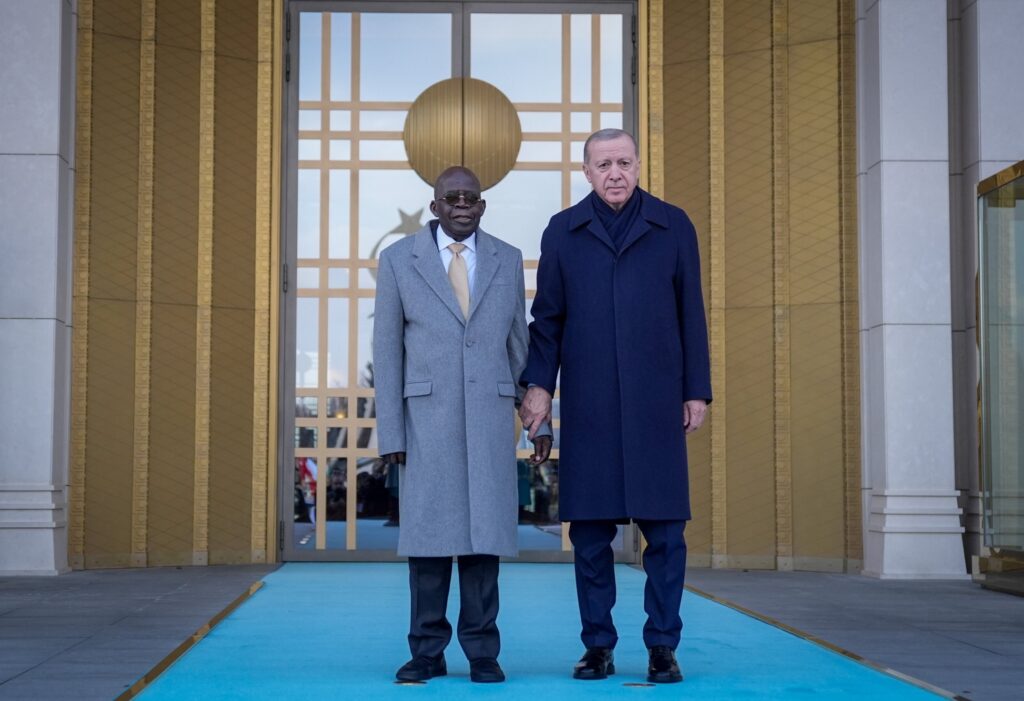
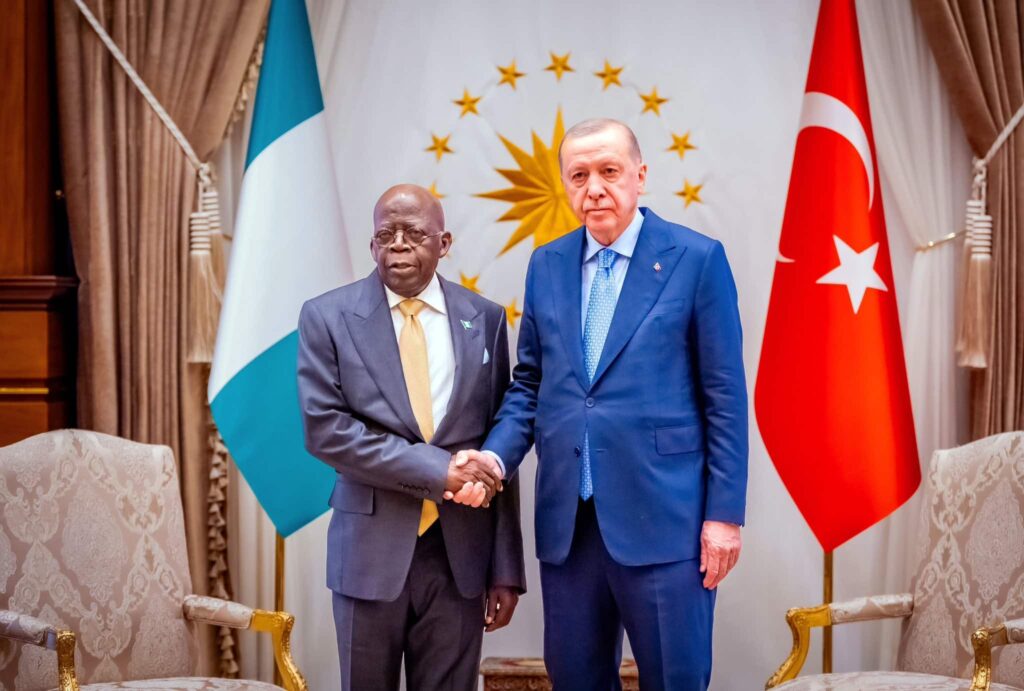
Nigeria and Türkiye signed nine bilateral agreements on Tuesday, January 27, 2026, in Ankara during President Bola Tinubu’s state visit. The deals span defence and security, energy, trade, media, education, and agriculture, with a target of increasing bilateral trade from about $2 billion to $5 billion. Defence cooperation featured prominently, including arrangements on military training, intelligence collaboration, and defence technology.
The assurances from the defence minister come amid sustained military assistance from the United States. In mid-January 2026, US authorities delivered military equipment to Nigeria in Abuja to strengthen counter-terrorism operations across several regions. This followed expanded intelligence sharing and joint security engagements.
The US support came after high-level discussions between American officials and Nigeria’s National Security Adviser, Nuhu Ribadu, aimed at addressing earlier delays in defence transfers. The development also followed heightened pressure from the United States under President Donald Trump, who had accused Nigeria of religious persecution and security lapses.
Tensions were further heightened when the US carried out Tomahawk missile strikes on December 24, 2025, targeting alleged ISIS camps in Sokoto State. Nigerian authorities, however, have consistently maintained that the country upholds religious freedom.
What you should know
Nigeria’s defence leadership insists that closer military cooperation with Türkiye does not signal a shift away from the United States.
Instead, the country is reinforcing its non-aligned policy by engaging multiple partners to strengthen security capacity, local defence production, and training.
The Türkiye agreements complement ongoing US military support, reflecting Nigeria’s strategy of balancing global relationships while pursuing technology transfer, operational readiness, and long-term defence self-sufficiency.