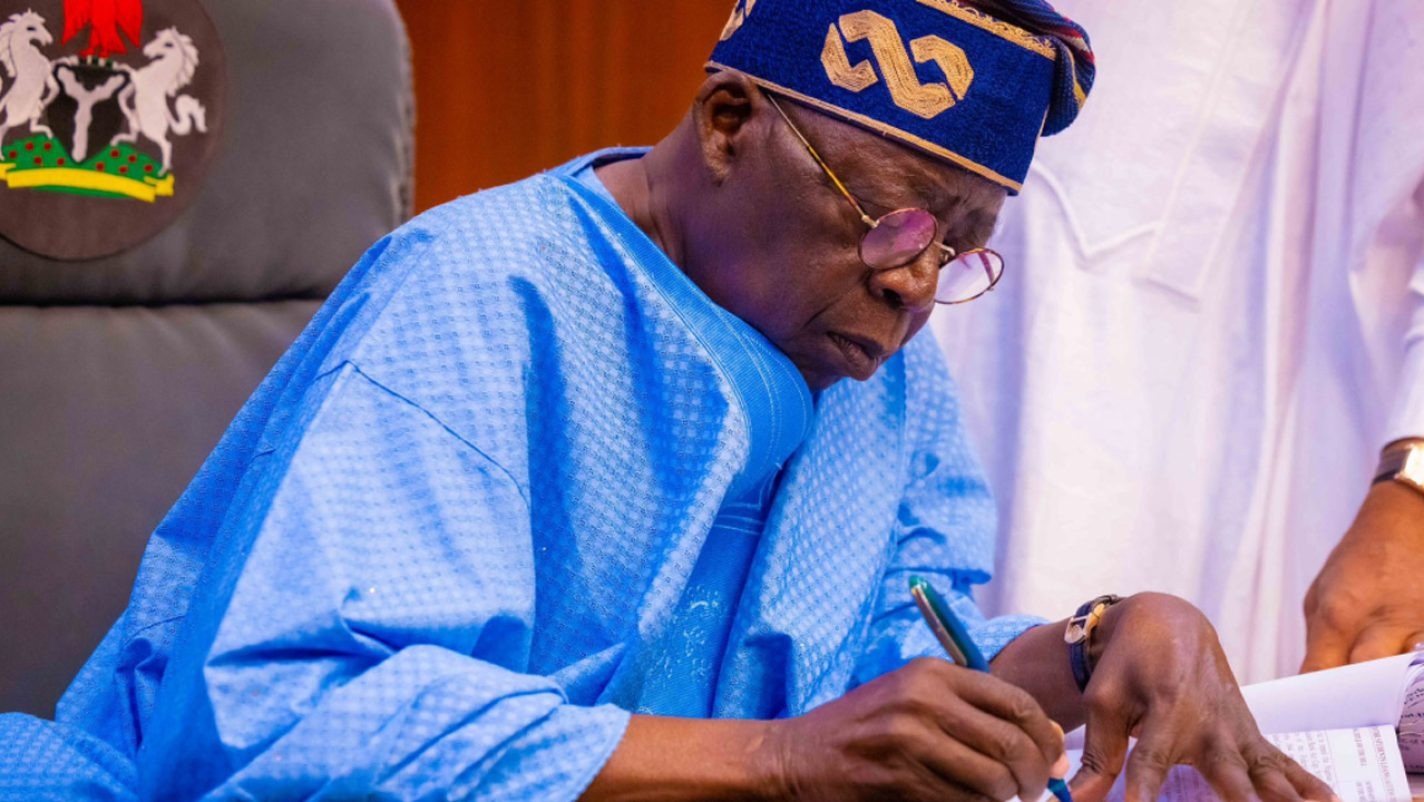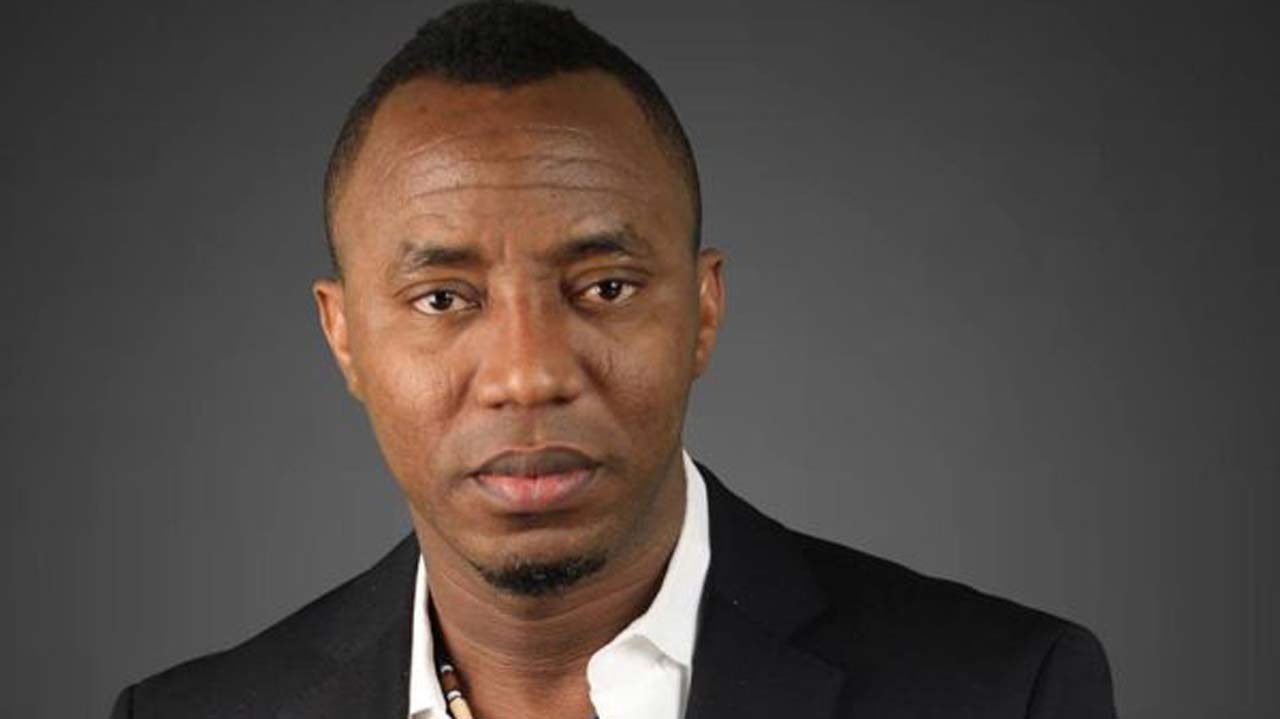
The trial over the alleged defamation of President Bola Tinubu by human rights activist Omoyele Sowore commenced as the Department of State Services (DSS) opened its case and presented its first witness before the court.
The witness, Cyril Nosike, a DSS operative, told the court that a claim allegedly made by Sowore against President Tinubu, in which he referred to the President as a criminal, sparked public tension and posed a threat to public safety.
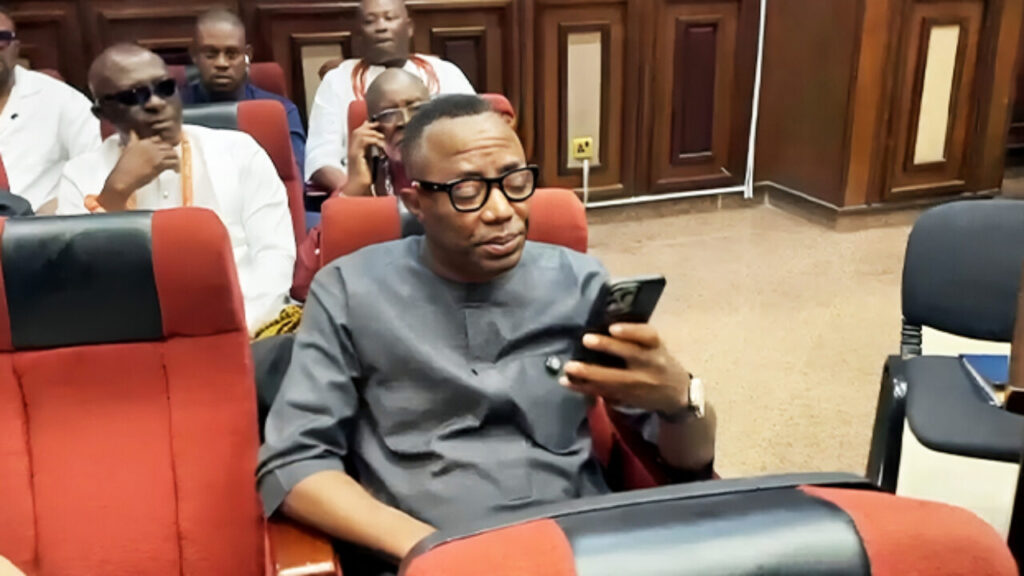
Nosike, who gave his testimony under examination by the prosecution counsel, Akinlolu Kehinde (SAN), said that while carrying out his official duties on August 26, 2025, at the DSS cyberspace monitoring centre, he observed and tracked a post allegedly made by Sowore on his X account.
According to the witness, the post described President Tinubu as “this criminal @officialABAT, the X handle of the President and Commander-in-Chief of the Armed Forces,” adding that Sowore wrote, “This criminal @officialABAT actually went to Brazil to state that there is no more corruption under his regime in Nigeria. What audacity to lie shamelessly!”
He told the court that after discovering the post and the accompanying video, he downloaded the material, saved it on a flash drive and labelled it XYZ.
When the flash drive and a certificate of compliance were presented in court, Nosike identified them as the items he earlier referred to, after which the prosecution applied to tender them as exhibits.
Counsel to the defence, Marshall Abubakar, informed the court that he would reserve his objection and raise it at the appropriate stage.
Justice Mohammed Umar thereafter admitted the flash drive and the certificate of compliance in evidence.
Kehinde subsequently applied for the video on the flash drive to be played in open court, a request the judge granted. The video was then played before the court.
The footage showed President Tinubu addressing his audience on the achievements of his administration and urging Brazilian investors to invest in Nigeria, stating that the country now offers a conducive business environment where there is no more corruption.
The witness further told the court that he captured screenshots of public reactions to Sowore’s post of the President’s video.
Based on the reactions generated, Nosike said the DSS wrote official letters to the owners of the X platform and Facebook (Meta) via their email addresses.
He explained that the letters requested the social media platforms to remove Sowore’s post, on the grounds that the statement was capable of generating tension.
Nosike also told the court that the DSS sent an official letter to Sowore through his lawyers, who acknowledged receipt of the correspondence. He said the letter requested Sowore to retract the allegedly inciting post.
He added that although the letter was marked confidential, Sowore later posted a screenshot of it on his Facebook page.
According to the witness, the publication of the letter attracted reactions from Nigerians both locally and abroad, many of which were disparaging to the DSS and portrayed the agency negatively.
The prosecution tendered copies of the letters referenced by the witness, along with screenshots of reactions to Sowore’s posts, and the court admitted them as evidence.
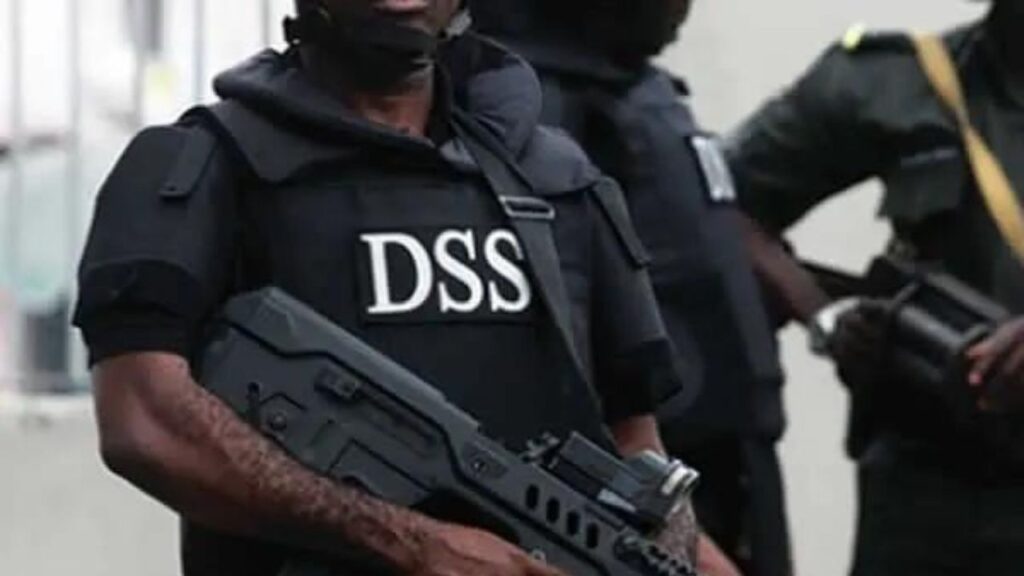
Nosike told the court that the posts attributed to Sowore made the work of security agencies, including the DSS, more difficult.
At the end of his evidence-in-chief, the court invited Sowore’s counsel, Marshall Abubakar, to commence cross-examination of the witness.
Abubakar, however, requested an adjournment to allow him time to properly study the testimony before proceeding with cross-examination.
Although the prosecution objected to the request, arguing that no sufficient reason had been given, the judge granted an adjournment but declined the defence’s request for a February date.
Justice Mohammed Umar then adjourned the matter to January 27 for cross-examination and continuation of trial.
What you should know
The defamation trial involving Omoyele Sowore centres on allegations that statements he made on social media against President Bola Tinubu constituted a threat to public order and national security.
The DSS argues that such comments can inflame public sentiment and complicate security operations, particularly when widely circulated online. Sowore, a long-time activist and former presidential candidate, has repeatedly clashed with authorities over free speech and governance issues.
The case is closely watched, as it raises broader questions about the limits of criticism of public officials, the role of security agencies in regulating online speech, and the balance between national security and freedom of expression in Nigeria.