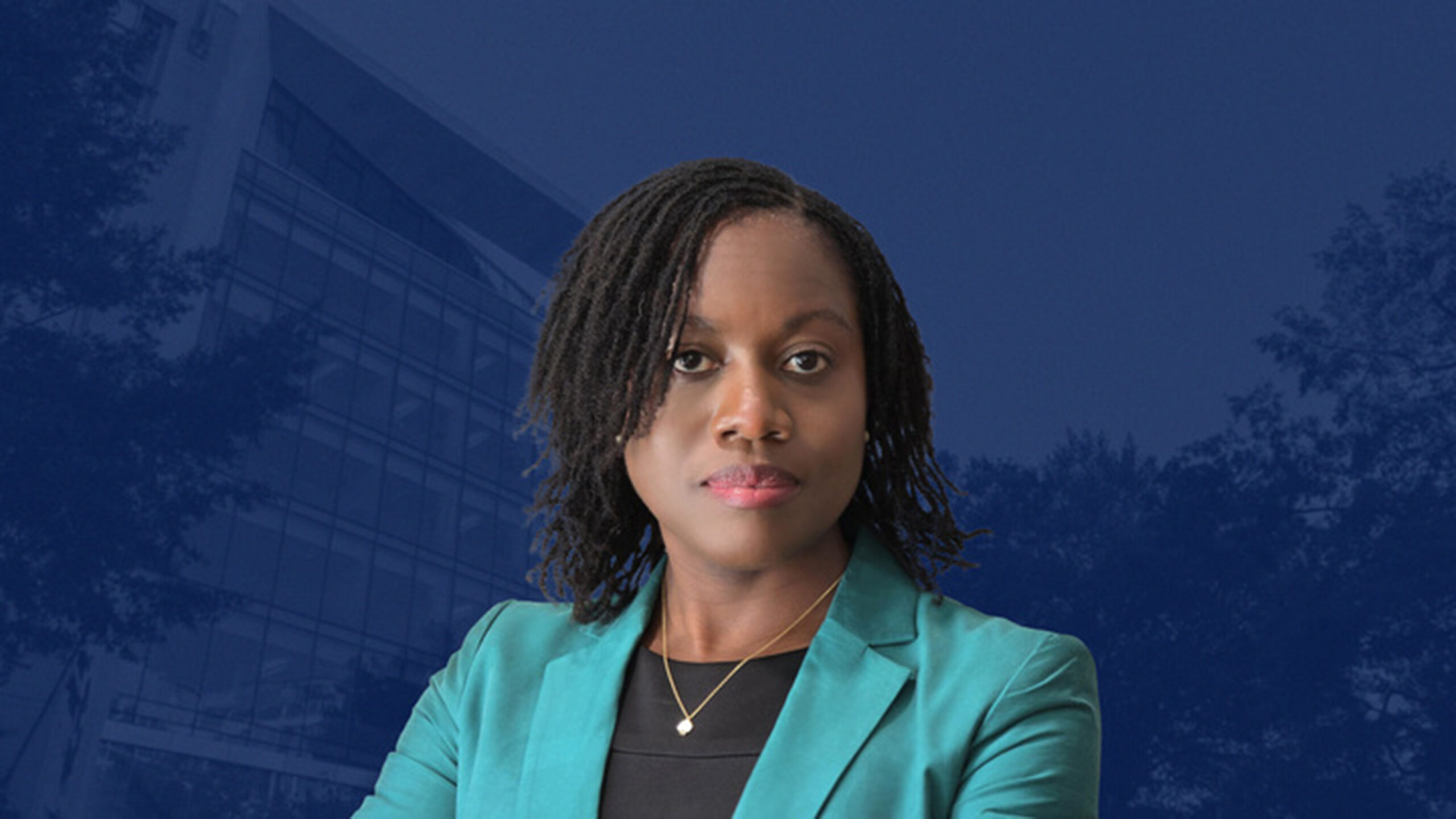
The Director of the Africa Programme at the Centre for Strategic and International Studies (CSIS), Oge Onubogu, has outlined a series of recommendations aimed at helping Nigeria address its worsening insecurity.
She presented the proposals on Thursday during a US Congress hearing convened by the House Subcommittee on Africa to review President Donald Trump’s decision to return Nigeria to the Country of Particular Concern (CPC) list.
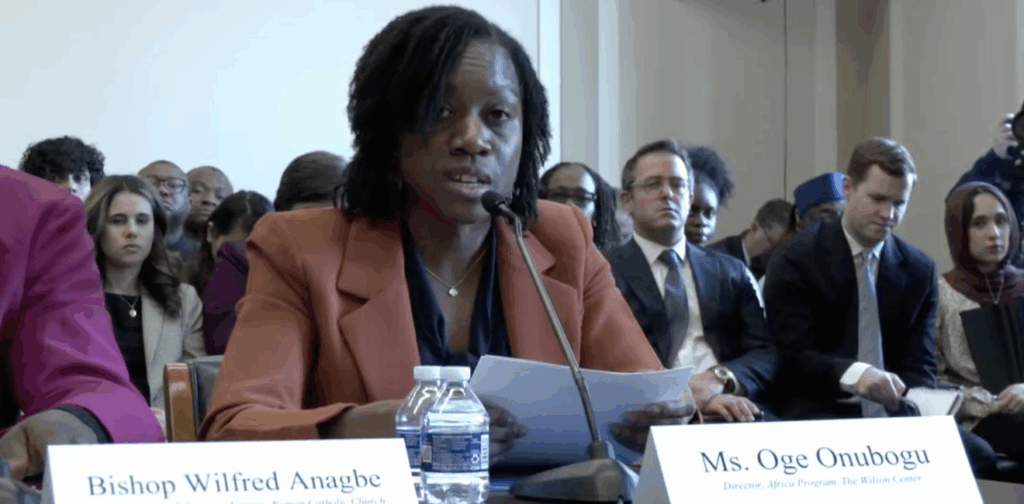
Onubogu advised the United States and Nigeria to adopt a more holistic approach to security, including “engaging with communities of all faiths, supporting moderate leaders, tying security assistance to governance reforms, and working more closely with state and local authorities.” She also called for the revival of a bipartisan US Congressional Caucus on Nigeria.
A key recommendation was directed at President Bola Tinubu, urging him to appoint “a capable Nigerian ambassador to the US” to strengthen diplomatic engagement as Nigeria grapples with mass killings and persistent instability.
She noted that although the US and Nigeria share strategic interests—particularly in counterterrorism and economic development—relations remain complicated. According to her, Nigeria’s challenges are rooted in long-standing governance failures and social divisions. “Nigeria’s instability stems from a key shortcoming. Despite 64 years of independence, it has yet to establish a national identity grounded in basic freedoms and dignity,” she said.
Onubogu, who grew up in Jos and comes from a family with Christian missionary roots, cautioned against framing Nigeria’s crisis solely as Christian persecution. She argued that insecurity arises from “layered governance failures, historical grievances, and social tensions,” rather than a single religious narrative.
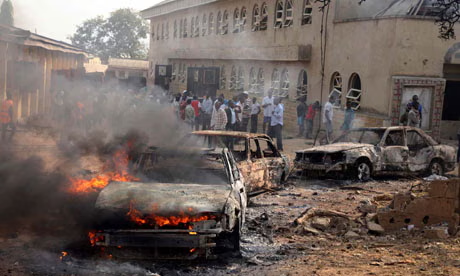
“A narrow narrative that frames Nigeria’s security situation solely as the persecution of Christians oversimplifies the issue. Religious and ethnic violence is driven more by governance failures and worsened by hate speech and conspiracy theories,” she told the committee.
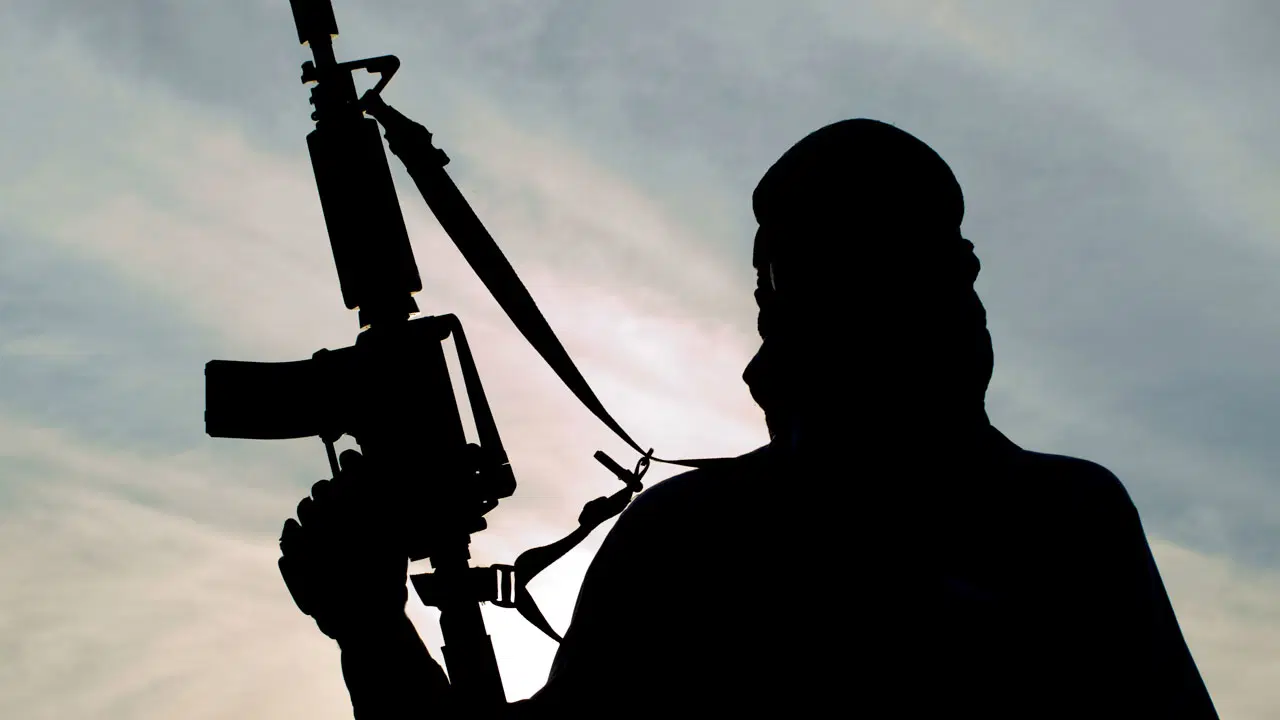
She emphasised that ethnicity, religion, and language still shape identity in Nigeria more deeply than nationality, adding that the country’s insecurity is a complex mix “of religious extremism, banditry, criminality, resource competition, communal conflict, and separatist agitation.” She also warned that religious tensions will likely intensify ahead of the 2027 elections.
Onubogu criticised claims by “the Trump administration that Nigeria is permitting targeted killings of Christians,” saying such assertions distract attention from the broader dynamics of extremist violence. She also warned that any unilateral US military intervention “would likely endanger the very Christians it aims to protect” and further inflame Nigeria’s religious divisions.
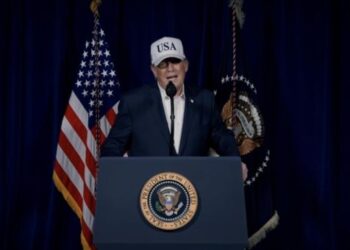
Her testimony came amid reports that the Pentagon has begun contingency planning after President Trump hinted at unilateral action to counter Islamist violence in northern Nigeria.
The hearing, chaired by Rep. Chris Smith, featured additional testimonies from Nigerian Catholic Bishop Wilfred Anagbe and religious-freedom advocate Nina Shea. Both witnesses pushed for stronger US-led measures to address what they described as targeted persecution of Christians.
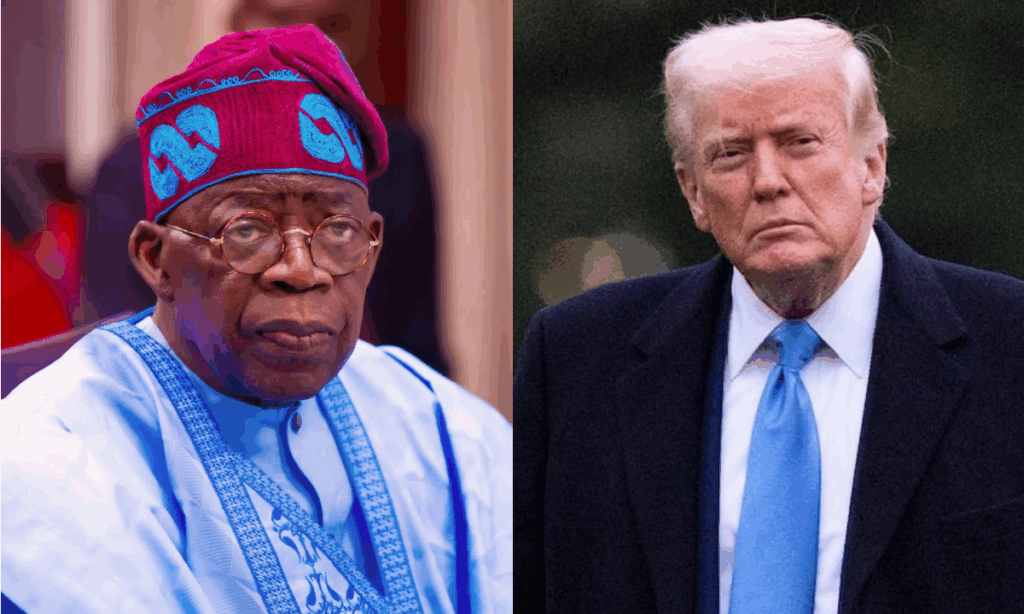
The debate follows Trump’s decision on October 31 to reinstate Nigeria on the CPC list, alleging systematic Christian persecution and confirming that military options were being reviewed. The Nigerian government has firmly rejected the allegations.
President Bola Tinubu insisted that Nigeria remains a democracy committed to protecting religious freedom, maintaining that portraying the country “as religiously intolerant does not reflect its reality.”
Nigeria was previously placed on the CPC list in 2020 under Trump, but former President Joe Biden removed the designation shortly after taking office.
What You Should Know
Oge Onubogu is a prominent Africa policy expert and director at CSIS, one of Washington’s leading think tanks.
Her testimony reflects a growing push within US policy circles for a more nuanced, multi-layered response to Nigeria’s security crisis.
She advocates focusing on governance reforms and community engagement rather than military intervention. This approach contrasts sharply with calls for tougher US pressure following Nigeria’s return to the CPC list.