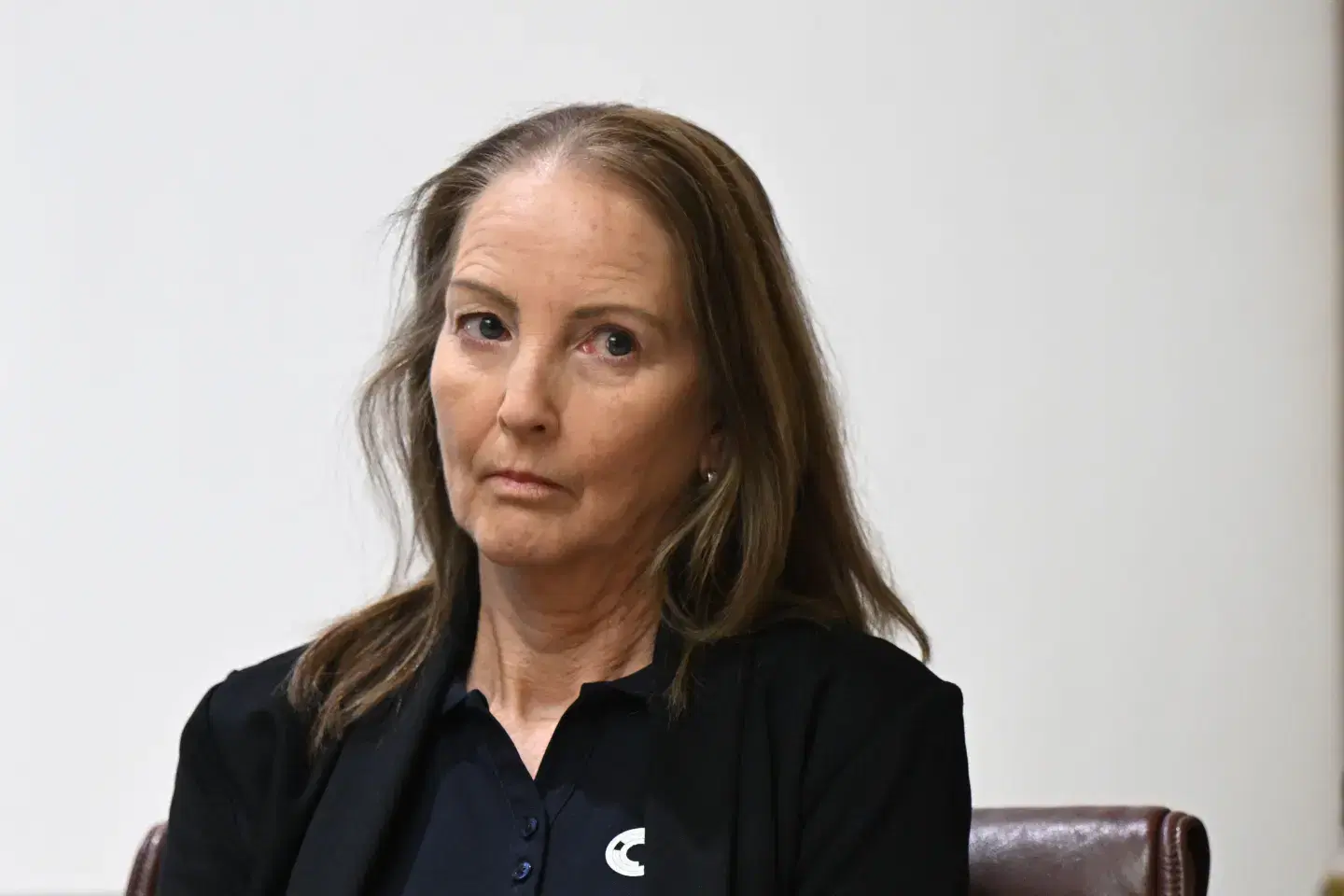
A long-serving Commonwealth Bank employee has shared how she lost her job after unknowingly training the very artificial intelligence that replaced her.
Kathryn Sullivan, 63, had worked at CBA for 25 years before being made redundant in July. She said she never realised her duties were preparing the bank’s chatbot, Bumblebee AI, to take over her role.
“I was completely shell-shocked, alongside my colleague,” Sullivan recalled. “We just feel like we were nothing, we were a number.”
Her final responsibilities involved scripting and testing responses for the chatbot and stepping in whenever it failed to resolve customer queries. “Inadvertently, I was training a chatbot that took my job,” she said.
Although she acknowledged the usefulness of AI, she warned about the risks. “While I embrace the use of AI and I can see a purpose for it in the workplace and outside, I believe there needs to be some sort of regulation to prevent copyright (infringements) … or replacing humans.”
Following the layoffs, the bank, despite posting a $10.25 billion profit last financial year, failed to respond to Sullivan for over a week. “They ghosted me for eight business days before they answered any of my questions,” she said.
CBA eventually admitted the rollout had been mishandled after a surge in customer calls revealed AI could not fully replace human staff. The bank reversed some redundancies and invited employees back, though Sullivan declined, saying the new role lacked the stability of her previous position.
A spokesperson later admitted fault: “The bank’s initial assessment that 45 roles were not required ‘did not adequately consider all relevant business considerations and because of this error, the roles were not redundant.’ We have apologised to the employees concerned and acknowledge we should have been more thorough in our assessment of the roles required.”
Despite the controversy, the bank continues to expand its AI programs. CEO Matt Comyn recently announced a partnership with OpenAI aimed at fighting fraud, cybercrime, and scams. “To be globally competitive, Australia must embrace this new era of rapid technological change,” he said.
The bank also drew criticism for hiring around 100 new workers in India weeks after axing more than 300 roles in Australia.
Sullivan’s experience was highlighted at an AI symposium hosted at Parliament House by the Australian Council of Trade Unions (ACTU). ACTU assistant secretary Joseph Mitchell urged for a national strategy to ensure AI strengthens jobs and economic growth rather than undermining workers.
Reserve Bank governor Michele Bullock added that employers must invest in upskilling displaced workers, warning that some would inevitably require direct support through these disruptions. “That’s why it is so important that we have a resilient and adaptable workforce,” she said.
Assistant Productivity Minister Andrew Leigh stressed that technology should remain people-centered. “The Australian ideal of the ‘fair go’ means that prosperity is shared,” he said, noting “technology should serve people, not the other way around.”
Labor senator Tim Ayres also voiced concern about Australia’s reliance on foreign-developed technology instead of shaping its own digital future. “How we co-operate and collaborate with our neighbours and partners and competitors on these questions is up for grabs,” he said.
What You Should Know
Kathryn Sullivan’s story illustrates the growing tension between technological advancement and job security. Her redundancy at CBA highlights how AI, while powerful, can displace loyal workers if poorly managed.
The controversy has intensified calls in Australia for stronger worker protections, regulations on AI adoption, and investments in retraining to ensure technology enhances human work rather than replaces it.