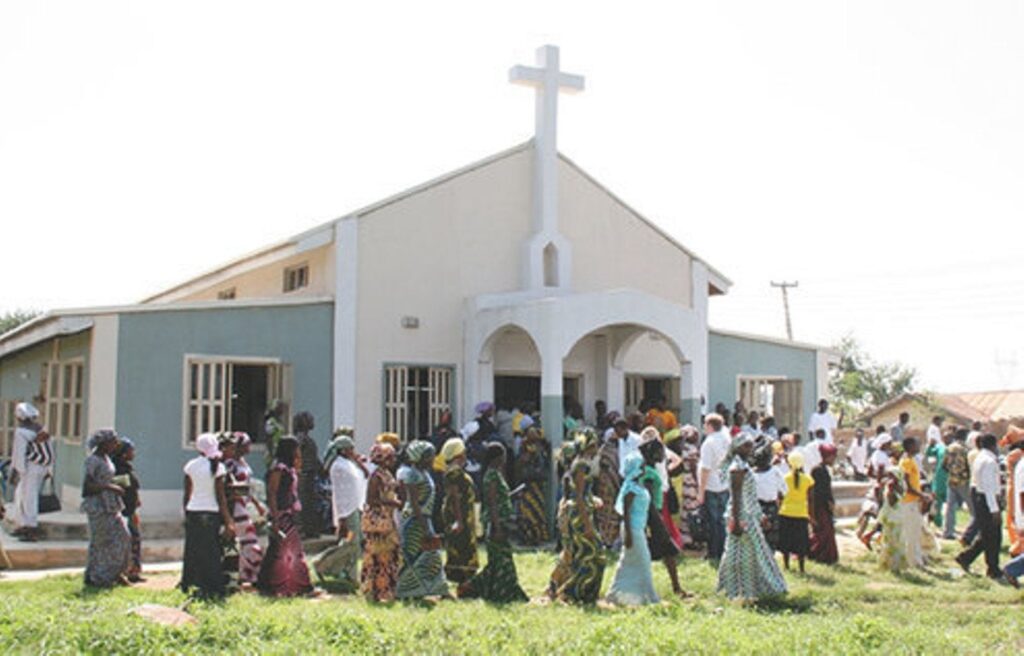
The word genocide is heavy. It means the state plans to wipe out a people. In Nigeria, the claim is that Christians face this fate. Seven thousand were killed in the first seven months of 2025, averaging thirty-five every day. Churches have been torched, pastors beheaded, and villages across Plateau and southern Kaduna emptied. These tragedies are undeniable, yet labeling them genocide is misleading. What exists instead is a tangled web of chaos, herders and farmers clashing over land lost to climate change, bandits hunting for ransom, and terrorist groups like Boko Haram and ISWAP slaughtering anyone who resists their rule. Muslims also die in large numbers, particularly in Borno and Yobe, though their funerals rarely trend in Washington.
President Donald Trump has called these killings genocide, threatening to cut $1.3 billion in aid and deploy US troops while renaming the Pentagon the “Department of War.” On the surface, such intervention might sound like salvation; after all, who would reject drones when children are dying? But history cautions otherwise. America brought supposed peace to Iraq and left behind ISIS, and poured two trillion dollars into Afghanistan, only to hand it back to the Taliban. If US aid is cut, Nigeria’s Tucano jets will be grounded. If troops land in Sambisa, local bandits could rally as jihadist heroes. The naira already dropped 2.3 percent on Monday because investors despise the talk of war. Worse still, Trump’s remarks deepen religious divisions: northern Muslims accuse America of caring only for Christians, while southern Christians celebrate being “heard.” The rift widens.
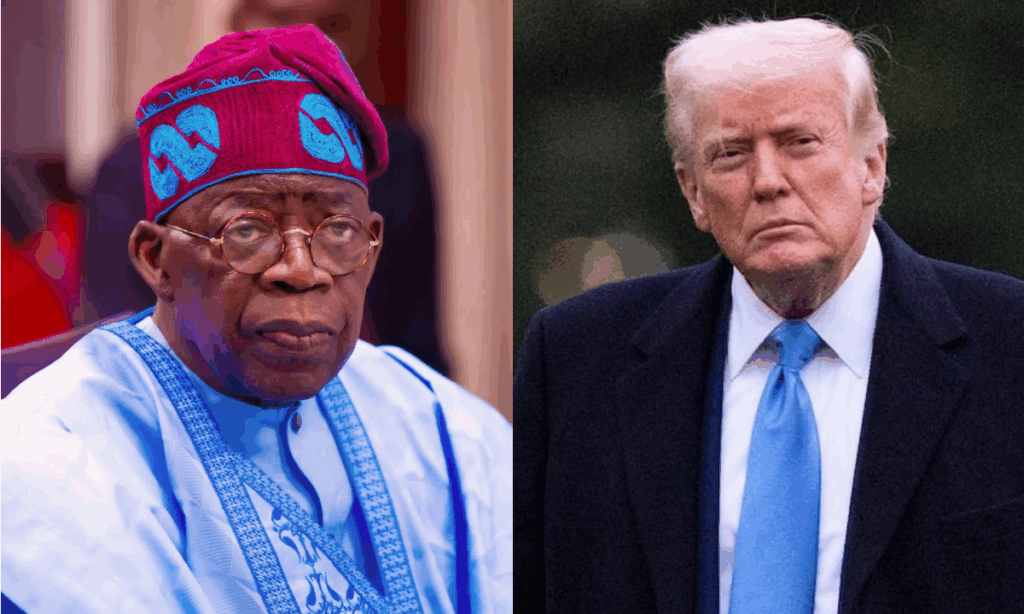
Still, pressure from abroad can spark change. When the United States listed Nigeria as a “Country of Particular Concern” in 2020, former President Buhari responded by forming a peace committee. But after President Biden removed the label, the momentum faded. Trump’s outbursts, however controversial, could push President Tinubu to act because sometimes international embarrassment forces domestic accountability.
Now, Nigeria must take control of its own destiny. The National Security Adviser’s next briefing should show verified data on live television: 13,500 terrorists neutralized since 2023, 10,000 hostages rescued, 700 convictions secured. The public deserves transparency, stream drone footage, identify captured commanders, and highlight an army led by a Christian Chief of Staff protecting both churches and mosques alike.
Establish a truth commission with representation from the Christian Association of Nigeria (CAN), Jama’atu Nasril Islam (JNI), traditional leaders, and groups like Miyetti Allah. Let them testify publicly, map every attack since 2015, document who died and who profited, and publish the findings in all Nigerian languages. Truth must precede reconciliation.
Address the land crisis decisively. Pass the grazing reserves bill. Build ranches. Compensate farmers. End the cycle of midnight raids that end in mass burials. Empower local communities through legal defense initiatives, train and equip them with communication tools, not automatic weapons. A boy in Gidan Zuma should be able to radio the army for help before the bandits strike.
When President Tinubu meets President Trump, let the agenda focus on strategic collaboration, not military intervention. Request satellite surveillance over Sambisa Forest, special forces training, and financial intelligence to trace arms funding. In return, open Nigeria’s terrorism trials to American observers to demonstrate the nation’s commitment to justice and transparency.
Nigeria does not need a foreign savior. It needs a government that values every Nigerian life equally, regardless of faith or ethnicity. America’s stance will shift with the next election cycle, but Nigerians will remain bound by the same sky, the same soil, and the same fate. It is time to repair the house before an outsider brings the bulldozer.
When details of the closed-door meeting emerge tomorrow, listen for data, not drama. Look for solutions, not soundbites. Hope not for America to save Nigeria but for Nigeria to save itself.
What You Should Know
The debate over whether Christian killings in Nigeria amount to genocide has intensified following US President Donald Trump’s remarks threatening military action and aid withdrawal.
While thousands of Nigerians, both Christians and Muslims, have been victims of terrorism and communal violence, analysts argue the crisis stems from complex internal factors like land disputes, banditry, and extremist insurgencies.
Nigerian authorities are now under pressure to show transparency in counterterrorism operations and take proactive steps toward peacebuilding, including truth commissions, land reforms, and community defense systems.
Experts insist that only a Nigerian-led solution, rooted in justice and unity, can end the cycle of violence.