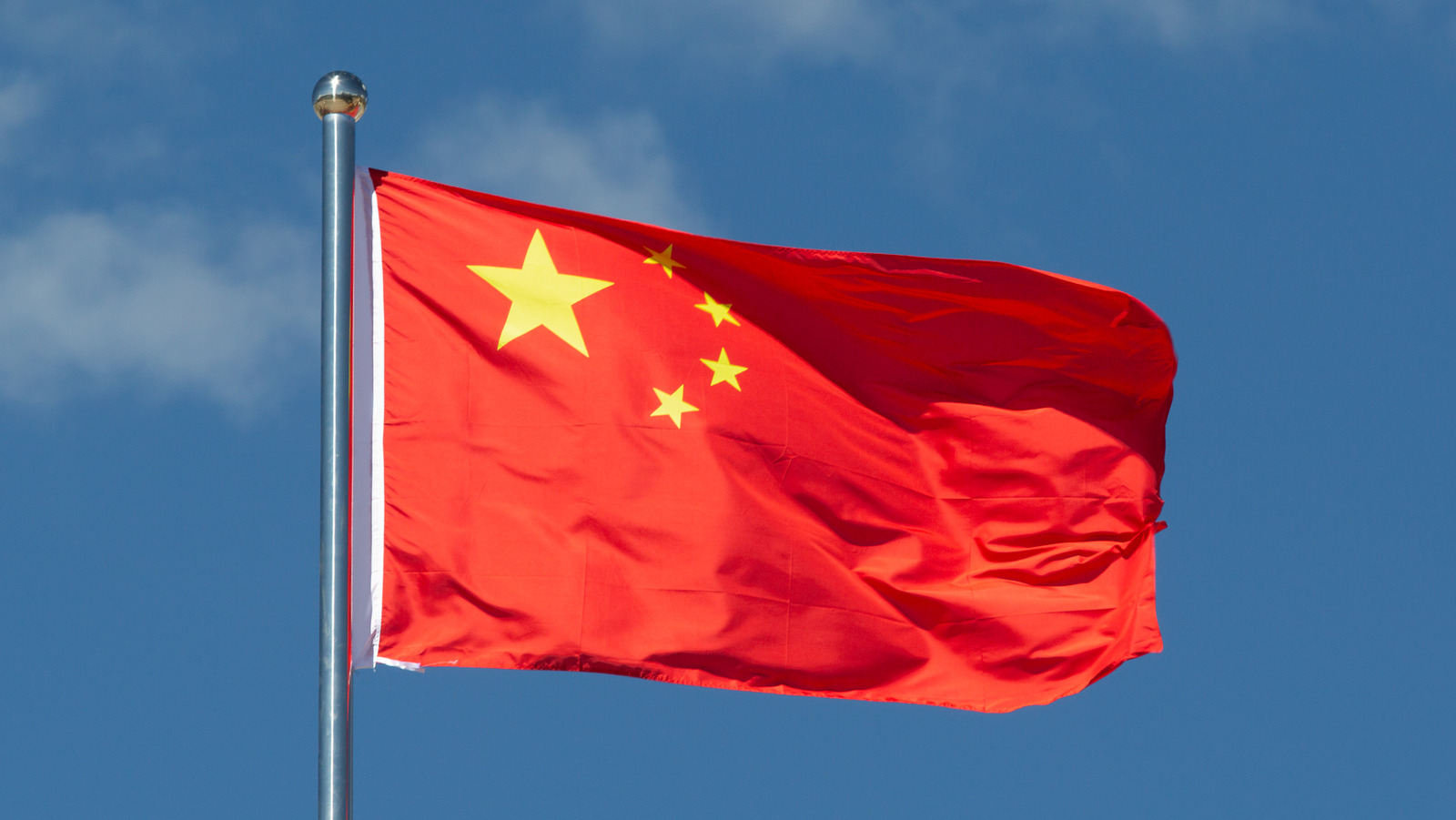
China’s exports slowed sharply in March after a strong start, official data showed, highlighting the fragility of global trade as the Middle East conflict drives up energy prices.
The world’s second-largest economy posted export growth of just 2.5 percent year-on-year last month, according to data released by the General Administration of Customs (GAC).
That marked a dramatic slowdown from the more than 20 percent surge recorded across January and February combined and fell well short of economists’ expectations. A Bloomberg survey of analysts had forecast an 8.6 percent rise.
The figures come as China grapples with a volatile international landscape. Last year, the country racked up a record trade surplus of $1.2 trillion, but analysts warn that such outsized gains may prove difficult to sustain in 2026.
Nowhere was the pain more evident than in shipments to the United States. Exports to America plunged 26.5 percent year-on-year to $29.4 billion in March, hammered by sweeping tariffs imposed by President Donald Trump. The drop highlights how bilateral frictions continue to weigh on what was once China’s largest single-country export market.
Yet the data offered a glimmer of resilience on the import side. Inbound shipments surged 27.8 percent, far exceeding the 14 percent increase predicted by Bloomberg economists—driven largely by higher global energy costs triggered by the ongoing war between the United States and Iran.
GAC deputy head Wang Jun struck a cautious tone at a news conference Tuesday, acknowledging “many uncertainties and instabilities in the external environment.” He added: “The impact of international geopolitical conflicts on global industrial and supply chains is still evolving in a complex manner.”
Independent analysts echoed that assessment. Zhiwei Zhang, president and chief economist at Pinpoint Asset Management, noted in a research note that “growth to major export destinations slowed across the board.” He pointed squarely at the Middle East conflict as a drag on global demand. “The uncertainty of the global macro outlook driven by the conflict in the Middle East likely weighed on the demand side,” Zhang wrote.
The import boom, he explained, stemmed directly from elevated energy prices. Still, Zhang offered a nuanced view of China’s competitive position: “I think China’s trade surplus will likely shrink this year,” he said, adding that the high energy price is likely more damaging for China’s competitors, given the scale and the efficiency of China’s manufacturing sector.
China’s diversified energy supply, a legacy of years of strategic stockpiling and alternative sourcing, has so far shielded it from the worst immediate shocks of the Middle East crisis. But economists caution that any broader global slowdown would quickly erode overseas demand for Chinese goods, from electronics and machinery to apparel and automobiles.
The trade numbers arrive at a pivotal moment. On Thursday, Beijing is scheduled to release first-quarter gross domestic product figures, which analysts expect to show the economy expanded 4.8 percent—a modest pickup from the 4.5 percent recorded in the final quarter of 2025. For the full year, leaders have set a growth target of 4.5 to 5.0 percent, the lowest in decades, reflecting a deliberate recalibration after years of turbocharged expansion.
Yet many economists argue that hitting even those subdued goals will require a fundamental shift. China must move away from its traditional reliance on exports and massive infrastructure spending toward a model powered more by consumer demand. A protracted crisis in the property sector—once the single biggest driver of domestic activity—has already dented household confidence, suppressed spending, and left local governments grappling with heavy debt loads.
For now, the March trade snapshot paints a picture of an export juggernaut momentarily checked by forces largely beyond its control: American tariffs, Middle Eastern conflict, and a jittery global economy.
Whether China can navigate these crosscurrents while retooling its growth engines will be closely watched not just in Beijing but also in boardrooms and capitals around the world.
WHAT YOU SHOULD KNOW
China’s export growth sharply slowed to just 2.5% in March — far below the expected 8.6% — as U.S. tariffs triggered a 26.5% plunge in shipments to America and the Middle East conflict added global uncertainty. While imports surged on higher energy prices, analysts warn China’s record trade surplus is likely to shrink this year.
Escalating geopolitical tensions and protectionism are now weighing heavily on China’s traditional export engine at a time when its economy needs stronger domestic consumption to sustain even modest 4.5–5% growth targets.