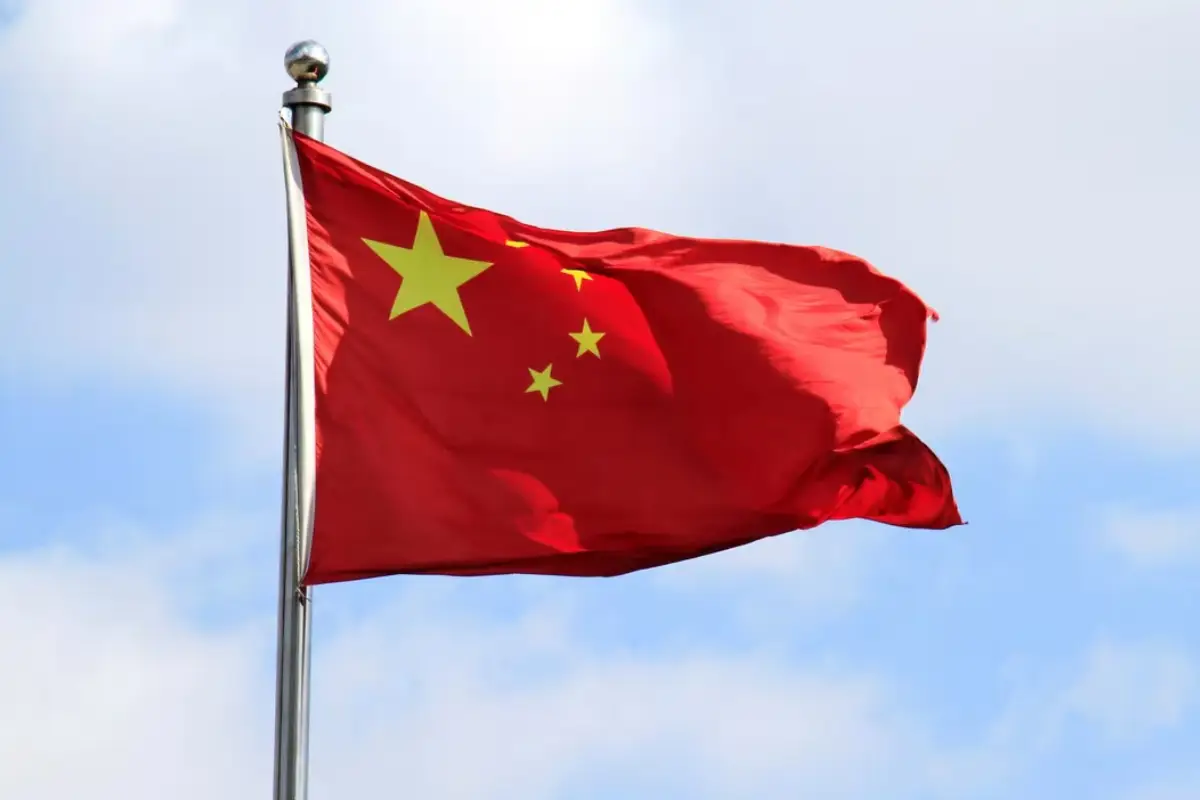
As hostilities between Iran and Israel stretch into their 11th day, China on Monday urged both countries to avoid further escalation and return to dialogue in order to prevent the widening conflict from disrupting international peace and economic stability.
Beijing’s appeal comes amid growing global concern that the fallout from the escalating war could ripple across global trade routes and trigger deeper geopolitical tensions.
Speaking at a regular press briefing, Chinese foreign ministry spokesperson Guo Jiakun expressed the country’s firm stance against further escalation, urging the parties involved to refrain from actions that could cause the conflict to spill over into a broader regional crisis. “The Chinese side urges the parties to the conflict to prevent the situation from escalating repeatedly, resolutely avoid the spillover of war, and return to the path of political resolution,” Guo stated.
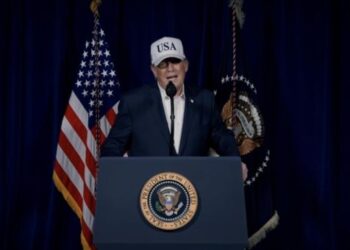
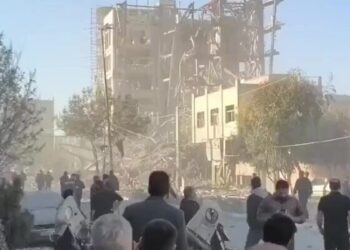
The latest diplomatic appeal from Beijing follows a surge in aerial combat between Iran and Israel over the weekend. Tensions spiked after American warplanes dropped bunker-buster bombs on three of Iran’s nuclear sites, a move that Iran vowed to retaliate against. The bombardments marked a dangerous new phase in the conflict and drew sharp rebukes from Tehran, while also prompting calls from global powers for restraint.
The United States, a staunch ally of Israel, continues to support Tel Aviv’s military operations but faces growing pressure to curb Iran’s retaliatory ambitions. On Sunday, US Secretary of State Marco Rubio called on China to leverage its influence in Tehran to deter the Islamic Republic from taking steps that could further imperil global trade — particularly the closure of the Strait of Hormuz, a vital chokepoint through which a significant portion of the world’s oil supply passes.
Responding to these concerns, China emphasized the critical importance of maritime security in the Gulf region. “The Persian Gulf and surrounding waters are important international trade routes,” Guo noted, highlighting the potential global economic consequences if hostilities further disrupt the region’s stability.
Guo stressed that protecting the security of these routes is a collective responsibility that serves the shared interest of the global community. He added, “China calls on the international community to make greater efforts to promote the de-escalation of the conflict and prevent regional instability from having a greater impact on global economic development.”
With energy markets already showing signs of volatility due to the conflict, China’s remarks are being closely watched for signs of potential mediation or diplomatic intervention. Beijing has maintained relations with both Tehran and Tel Aviv, positioning itself as a potential neutral actor capable of facilitating talks, though it has so far remained largely focused on broader diplomatic messaging.
What you should know
China’s call for de-escalation comes as fears mount that the Iran-Israel conflict could spiral beyond the Middle East, especially if the Strait of Hormuz — a key route for global oil shipments — is affected. With mounting pressure on all sides, diplomatic efforts are gaining urgency to prevent wider regional and economic fallout.