The Central Bank of Nigeria (CBN) has opted to keep the Monetary Policy Rate (MPR) steady at 27.5%, signaling a cautious yet steady approach to monetary policy as it navigates a complex economic landscape.
The decision, announced by CBN Governor Olayemi Cardoso during a press briefing following the Monetary Policy Committee (MPC) meeting in Abuja, underscores the bank’s commitment to balancing price stability with economic recovery.
The decision to retain the MPR at 27.5% reflects the CBN’s conservative stance, prioritizing stability amid a backdrop of moderating inflation and a strengthening naira.
Governor Cardoso emphasized that the MPC’s unanimous vote to hold rates steady was driven by the need to assess the impact of recent tightening measures while monitoring macroeconomic developments. “The committee remains vigilant, ensuring that monetary policy supports sustainable growth without exacerbating inflationary pressures,” Cardoso said during the briefing.
Recent data from the National Bureau of Statistics (NBS) shows Nigeria’s inflation rate eased to 23.71% in April 2025, down from 24.23% in March, marking a positive development for an economy grappling with high living costs.
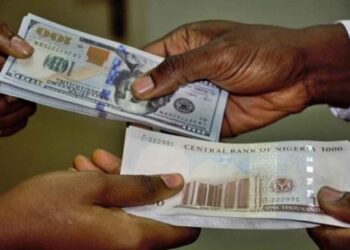
This moderation, coupled with the naira’s slight appreciation to N1,597/$1 at the official foreign exchange market on Monday, has fueled cautious optimism among investors.
The naira’s uptick from N1,599.01/$1 on Friday suggests that the CBN’s stabilization measures are gaining traction, a point Cardoso highlighted as evidence of the bank’s effective interventions.
Market analysts have largely welcomed the CBN’s decision, viewing it as a pragmatic move to consolidate gains in inflation control and currency stability. Olaitan S. Sunday, Managing Director of Rostrum Investment & Securities Ltd., said maintaining the MPR at 27.5% aligns with market expectations.
This decision supports the naira’s value, anchors inflation expectations, and signals to investors that the CBN is committed to a stable economic environment, Sunday said. He noted that the high MPR continues to attract foreign capital inflows, which have been critical in bolstering Nigeria’s foreign exchange reserves.
The MPC’s communiqué underscored the importance of coordination between fiscal and monetary authorities to address these challenges. The committee called for sustained efforts to tackle inflationary pressures while fostering an environment conducive to investment and job creation.
Analysts suggest that the CBN is likely to maintain its cautious approach in the near term, with any shift toward a more accommodative stance hinging on further declines in inflation and greater stability in the foreign exchange market.
Looking ahead, market watchers anticipate that the CBN will closely monitor key indicators, including inflation trends and exchange rate dynamics, before its next meeting on July 21-22, 2025.
A sustained downward trend in inflation, coupled with a stable naira, could pave the way for a potential rate cut in the second half of the year, analysts say. However, any resurgence of inflationary pressures or currency volatility could prompt the CBN to maintain or even tighten its policy stance.
WHAT YOU SHOULD KNOW
The CBN’s decision to hold rates steady reflects a delicate balancing act: supporting economic recovery while keeping inflation in check.
ALSO READ TOP STORIES FROM VERILY NEWS