The political landscape of Rivers State remains a cauldron of intrigue as Governor Siminalayi Fubara prepares to resume office following the lifting of a six-month emergency rule on September 18, 2025.
However, his delayed return and swirling rumors about a one-term governorship deal have cast a long shadow over his prospects for re-election in 2027. As a seasoned observer of Nigerian politics, I believe Fubara’s path to a second term is precarious, hinging on his ability to assert autonomy while navigating the state’s entrenched power dynamics, particularly the influence of his predecessor, Nyesom Wike. Despite Wike’s recent dismissal of claims that Fubara agreed to serve only one term, the underlying tensions and political maneuvering suggest that Fubara’s leadership will face relentless scrutiny, making his re-election bid far from assured.
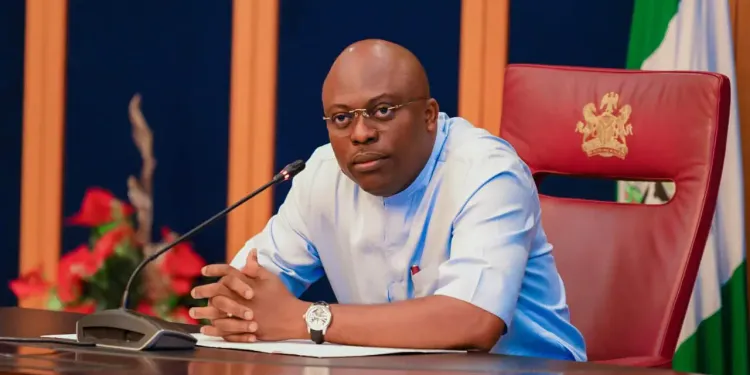
The backdrop to this unfolding drama is a bitter feud between Fubara and Wike, which prompted President Bola Tinubu to impose emergency rule in March 2025, suspending Fubara, his deputy Ngozi Odu, and the state House of Assembly. The Supreme Court’s August 2025 ruling declared this move unconstitutional, paving the way for Fubara’s reinstatement.
Rear Admiral Ibok-Ete Ibas, who served as sole administrator during the emergency, oversaw local government elections and maintained relative stability before handing over power. Yet, Fubara’s absence from Port Harcourt on the day the emergency rule ended, despite supporters gathering to welcome him, has fueled speculation about his grip on power. Reports suggest that efforts to extend the emergency rule faltered after Tinubu instructed Ibas to prepare detailed handover notes, signaling a return to democratic governance.
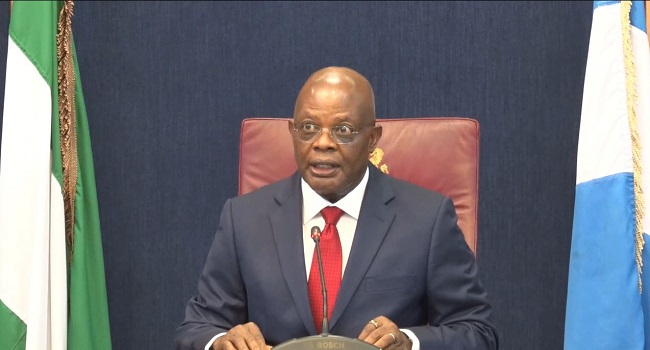
Central to the current discourse is a rumored peace agreement brokered by Tinubu, allegedly requiring Fubara to forgo a second term in 2027 and allow Wike to nominate all 23 local government chairpersons in Rivers State. In a Thursday interview on Channels Television’s Politics Today, Wike vehemently denied these claims, calling the one-term deal a rumor he was hearing for the first time. “The claim that the resolutions of the Rivers crisis were in my favor is not true. There was no decision that was taken which the governor was not aware of,” Wike stated.
He emphasized that Fubara was involved in all resolutions prior to the emergency rule, including ensuring democratic governance at the local level, which he claims has been achieved. Wike further clarified that he has no intention of imposing commissioner nominees on Fubara, stating, “I cannot go and impose anything on the governor. Why would I impose anything on the governor? I have no candidate, and I will not.”
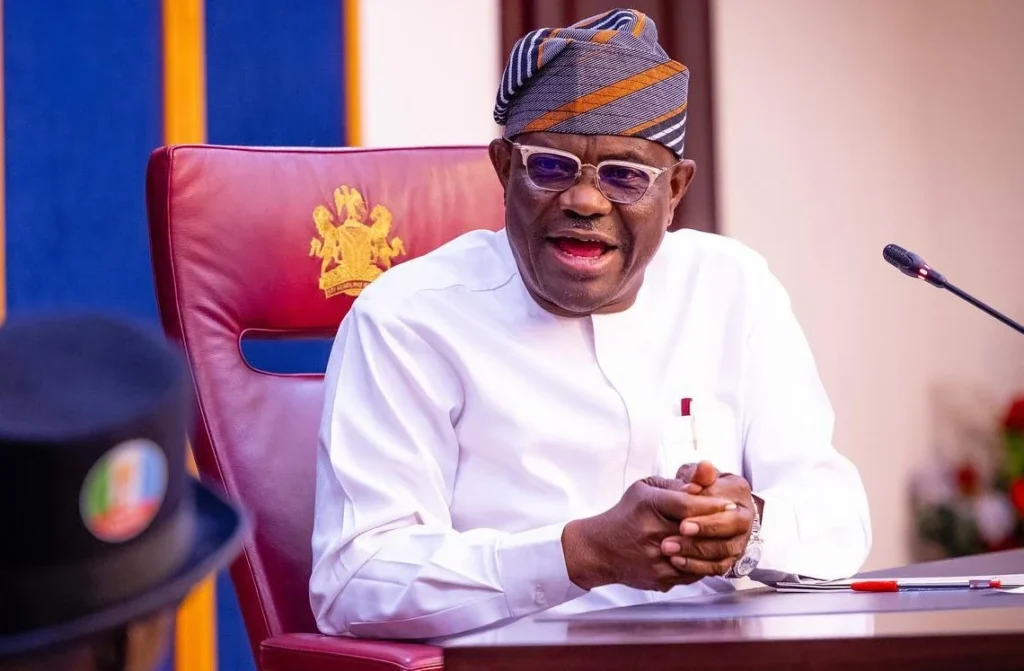
Wike’s assurances of peace are notable, particularly his claim of speaking with Fubara by phone on Wednesday, September 17, 2025, where they agreed to ensure the state’s smooth operation. “As I speak to you, as of yesterday, I spoke to the Governor (Fubara). I told him I was leaving that night to come back, and he told me he was leaving this morning,” Wike said, adding, “By the grace of God, peace has returned.” He pointed to the state Assembly’s actions on September 18, reconvening and demanding Fubara submit commissioner nominees, as evidence of a cooperative tone. However, this demand, issued just 24 hours after the Assembly’s reinstatement, suggests that Fubara is stepping into a constrained governorship, with lawmakers potentially aligned with Wike poised to challenge his authority.
Fubara’s prospects for a second term are complicated by these dynamics. The rumored one-term deal, though dismissed by Wike, reflects the perception that Fubara’s governorship is tethered to his predecessor’s influence. The local government elections, conducted under Ibas’s tenure, remain contentious, with critics questioning their legality, a potential flashpoint that could destabilize Fubara’s administration further. Moreover, Fubara’s public stance during his suspension, where he expressed a lack of desperation to return to office, may be interpreted as a lack of political resolve, weakening his standing among voters who value assertive leadership.

Yet, Fubara is not without assets. His supporters’ enthusiastic turnout on September 18 demonstrates a loyal base that could be mobilized for 2027. The All Progressives Congress (APC) in Rivers has also signaled openness to collaborating with him, offering a potential counterbalance to Wike’s PDP faction. The Supreme Court’s ruling provides legal legitimacy to resist overreach by the Assembly or other actors. If Fubara capitalizes on these factors, perhaps by prioritizing infrastructure projects or economic reforms, he could reshape his narrative as a leader who transcends godfatherism.
In my view, Fubara’s delayed return and the lingering shadow of Wike’s influence signal a governorship under siege. While Wike’s public disavowal of imposing terms is encouraging, the Assembly’s immediate demands and the unresolved tensions within the PDP suggest that Fubara’s autonomy is limited. To secure a second term, he must deftly balance alliances, assert his authority, and deliver tangible results to Rivers’ citizens. Failure to do so risks cementing his tenure as a single-term footnote in the state’s volatile political history. For now, the peace Wike claims may be more fragile than it appears, and Fubara’s ability to navigate this “slippery slope” will determine his legacy.
What You Should Know
Governor Siminalayi Fubara’s delayed return to office after the September 18, 2025, end of emergency rule in Rivers State has sparked debate about his 2027 re-election prospects. Despite Nyesom Wike’s denial of a rumored deal for Fubara to serve only one term and allow Wike to nominate local government chairpersons, the governor faces a challenging landscape.
The state Assembly’s swift demand for commissioner nominees and ongoing disputes over local elections highlight constraints on Fubara’s authority. While grassroots support and potential APC alliances offer hope, his ability to assert independence and deliver governance will be critical to overcoming perceptions of a weakened administration.