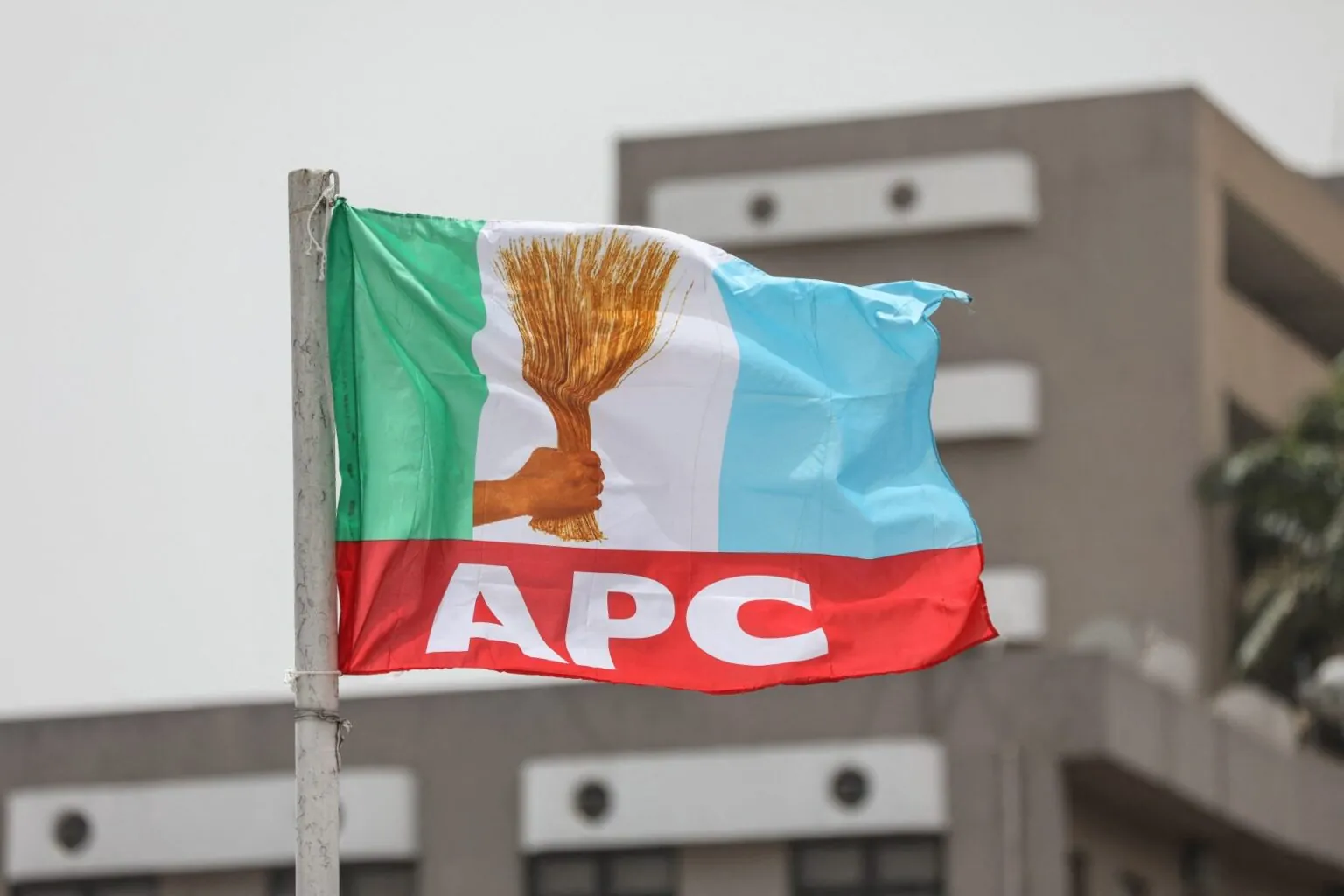
Seven aspirants of the All Progressives Congress (APC) stepped down from the Kano Central Senatorial District race on Sunday and threw their weight behind former Governor Ibrahim Shekarau, but not everyone is celebrating.
The carefully choreographed endorsement, brokered after hours of closed-door deliberations at a high-level meeting convened by Governor Abba Kabir Yusuf in Abuja, represents the APC‘s most significant step yet toward consolidating its footing in one of northern Nigeria’s most fiercely contested political battlegrounds.
Speaking to journalists immediately after the meeting, the aspirants Usman Bala Mohammed, Sha’aban Sharada, Muhammad Zango, Danyaro Yakasai, Abbas Abbas, Garba Abubakar, and Shehu Isa Driver presented a united front, insisting their decision to stand aside was voluntary and driven purely by a desire for peace, unity, and the greater good of the party.
“We have unanimously agreed to withdraw our aspirations for the Kano Central Senatorial District in favor of our elder brother, leader, and former governor, Mallam Ibrahim Shekarau,” said Usman Bala Mohammed, who spoke on behalf of the group. “This is in the best interest of the good people of Kano State, our great party, APC, and Nigeria as a whole.”
Sha’aban Sharada was equally emphatic in pushing back against suggestions that the aspirants had been pressured into the decision. “We did this because of His Excellency, the Governor,” he said, adding that by election day, “Kano will be among the states that deliver the strongest support for the president.”
Shekarau, a veteran political figure who governed Kano State from 2003 to 2011 and later served as minister of education from 2014 to 2015, received the endorsements with measured grace. “I appreciate His Excellency for his foresight in bringing the aspirants together to broker peace,” he said. “We will embrace everybody. This is now one family.”
Shekarau’s political journey has been a study in strategic realignment; after winning the Kano Central senatorial seat in 2019 on the APC platform, he defected to the New Nigeria Peoples Party (NNPP) in 2022 in a bid to retain his seat, an effort that ultimately proved unsuccessful.
He subsequently moved to the PDP before completing his full political circle last month, defecting back to the APC in April alongside PDP chieftain Senator Bello Gwarzo.
Insiders say the logic for backing Shekarau over other aspirants is straightforward: electability. Sources within the party’s hierarchy indicated that Shekarau is believed to be capable of attracting more votes than rival aspirant Abdulsalam Zaura, particularly given the formidable opposition presence in the district, with Senator Rabiu Musa Kwankwaso’s influence looming large over Kano Central.
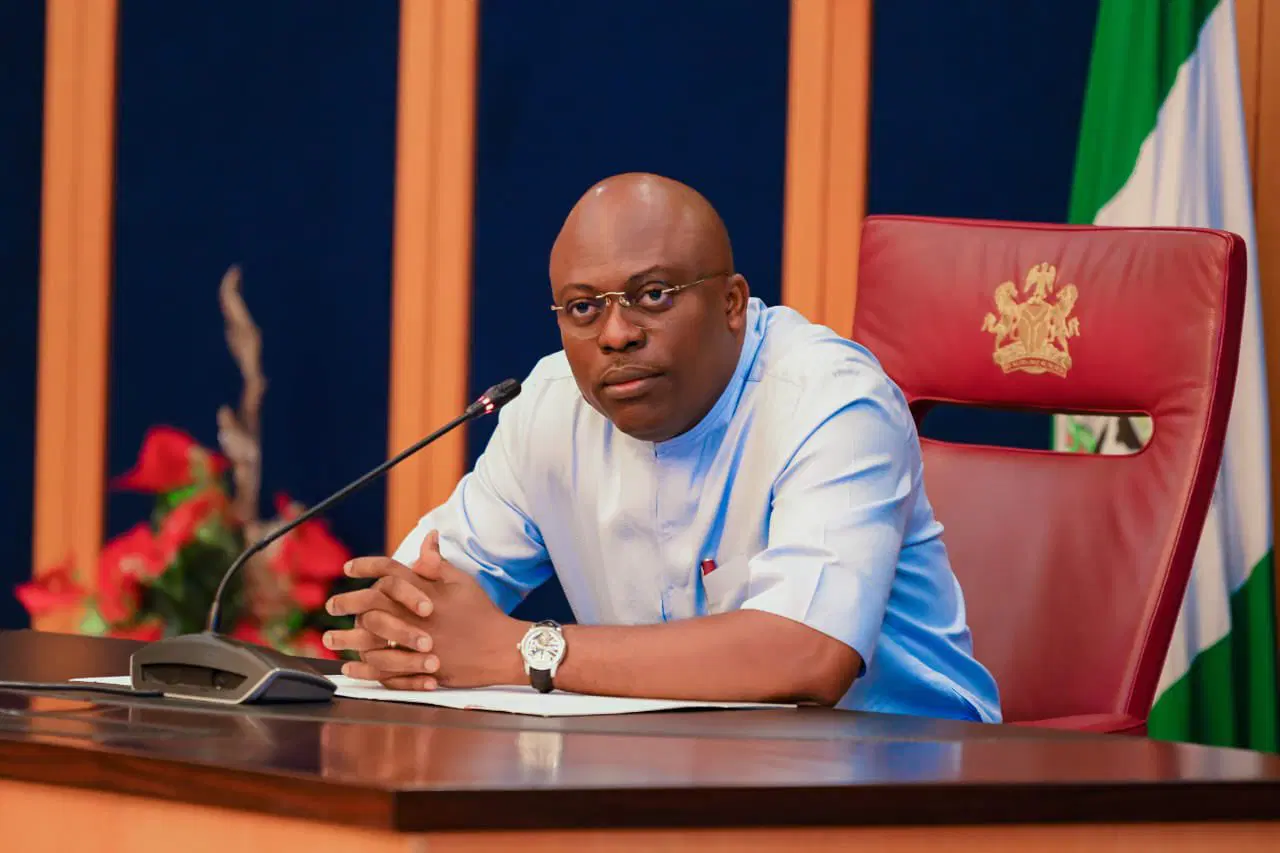
Governor Yusuf, who orchestrated Sunday’s meeting, did not attempt to conceal his satisfaction with the outcome. “We sat down and reached this consensus, and I feel highly elated. I feel happy because Kano is one,” he said. “Our concern is to ensure that Kano comes first before any individual.”
Despite the public show of unity, the picture on the ground is considerably more complicated. A group known as the Coalition for Better Kano has opposed plans to allocate the senatorial ticket to Shekarau, insisting that the principle of political justice demands that loyalty within the party be duly rewarded.
Supporters of Abdulsalam Zaura, the APC’s candidate for the same seat in 2023, protested in Kano and called on President Bola Tinubu to intervene, arguing that the consensus process was unfair and a breach of the party’s pledge to provide a level playing field for all aspirants.
Zaura’s camp maintains that handing the ticket to Shekarau, a man who only rejoined the party weeks ago, sends a damaging signal to long-serving loyalists.
Supporters argued at a press conference in Kano that “to bypass a loyalist who has invested so much in the party in favor of a newcomer, regardless of his status, would send a damaging signal that the party does not value consistency nor sacrifice.”
The dissent in Kano is not an isolated phenomenon. Across several states, the APC’s broader push to adopt consensus candidates ahead of 2027 is facing mounting resistance, with aggrieved aspirants in Yobe, Sokoto, and Ogun states also describing the process as imposition masquerading as consensus.
For the APC, the Kano Central question carries outsized significance. In a state where politics is defined by shifting alliances and entrenched rivalries, Shekarau’s return to the APC is seen not as an isolated development but as part of a wider cycle of political realignment ahead of 2027.
Kano remains one of the most populous and politically influential states in the country, and its electoral weight makes it a prize no major party can afford to mismanage.
For the APC, integrating Shekarau’s political structure presents both opportunities and challenges. While his network could enhance the party’s reach, it may also trigger internal competition as existing power centers negotiate space and influence within the fold.
Whether Sunday’s consensus meeting proves to be a foundation for genuine unity or merely a lid placed over a simmering pot will likely become clear in the months ahead as the 2027 campaign season intensifies.
WHAT YOU SHOULD KNOW
The APC’s decision to anoint Ibrahim Shekarau as its consensus candidate for the Kano Central Senatorial District is less a story of unity than one of managed tension.
While Governor Yusuf has successfully rallied seven aspirants behind a familiar political face, the process has exposed a deeper fault line within the party, the growing resentment of long-serving loyalists who feel sidelined in favor of a man who only rejoined the APC weeks ago.