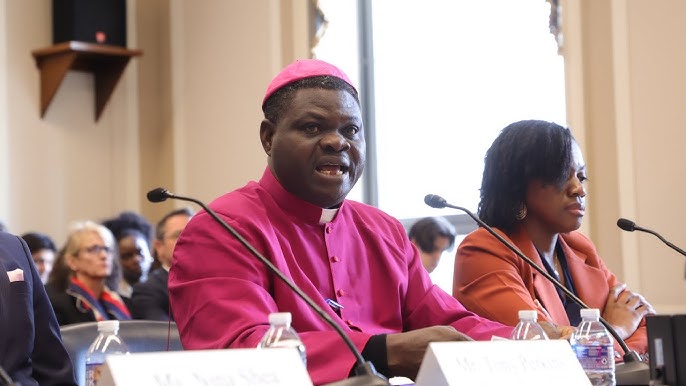
The Bishop of the Catholic Diocese of Makurdi, Wilfred Anagbe, has called on the United States to follow its renewed designation of Nigeria as a Country of Particular Concern (CPC) with decisive and practical measures.
He made the appeal on Thursday while testifying before the U.S. House of Representatives Subcommittee on Africa, which is reviewing President Donald Trump’s decision to restore Nigeria’s CPC designation.
“On behalf of millions of Christians in Nigeria and in the diaspora, we want to thank President Donald Trump for his bold leadership in designating Nigeria as a CPC. I commend you and this subcommittee for ongoing efforts on this matter,” he said.
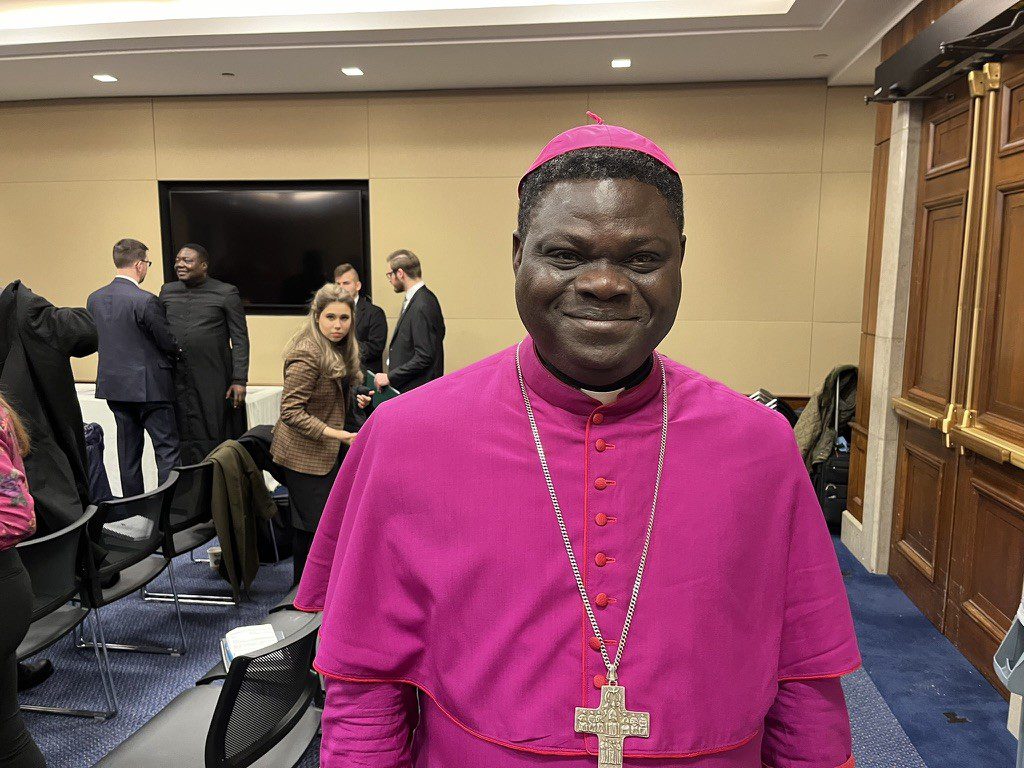
Anagbe stressed that the designation alone was not enough, insisting it must be backed by firm policy tools. “It is a vital step, but must be backed by serious action. One, use the Magnitsky Act for targeted sanctions against Nigerian government officials and others tolerating or condoning Islamic violence in the country,” he urged.
He also encouraged U.S. lawmakers to link security and humanitarian aid to clear improvements on the ground. “Expand humanitarian support for IDPs. The IDPs must return to their ancestral homes, and this requires security guarantees from the Nigerian Government,” he said.
The Bishop further appealed for assistance to rebuild devastated communities and supported proposed U.S. legislation aimed at addressing religious violence. “They must be supported to rebuild their economic livelihood and enjoy basic services such as education and sanitation. Support this Nigerian Religious Freedom Accountability Act to hold perpetrators accountable. This point cannot be overemphasised because impunity fuels the violence we suffer,” he stated.
Anagbe told the committee that many Christian survivors in Benue remain deeply traumatised. He shared that one priest he knows “cannot walk” after surviving a terrorist attack. He accused the federal government of minimizing casualty figures and leaving victims without support.
He argued that President Trump’s earlier CPC designation “aimed to stabilise Nigeria” but ultimately “worsened the safety of Christians.” However, he noted that communities still drew “joy, hope and spiritual resilience” from the renewed designation — even though it cannot solve the crisis by itself.
“Irrespective of who is being killed, the prime question is: are there killings in Nigeria? The government should stop it. It requires political, military and humanitarian interventions. Mr Chairman and members, the blood of Nigerian Christians cries out to you. We cannot afford to wait any longer. Use every tool of U.S. influence to demand change. America has a unique role in defending religious freedom globally. Please enact concrete action according to the CPC designation. We all know that inaction emboldens extremists even more,” he said.
The subcommittee is expected to hear from senior U.S. State Department officials and Nigerian religious representatives as the review continues.
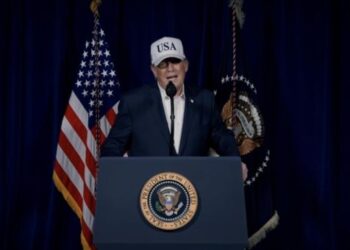
The debate intensified after President Trump reinstated Nigeria on the CPC list on 31 October 2025, alleging systematic persecution of Christians. When pressed by journalists aboard Air Force One, he confirmed that military options were among the considerations.
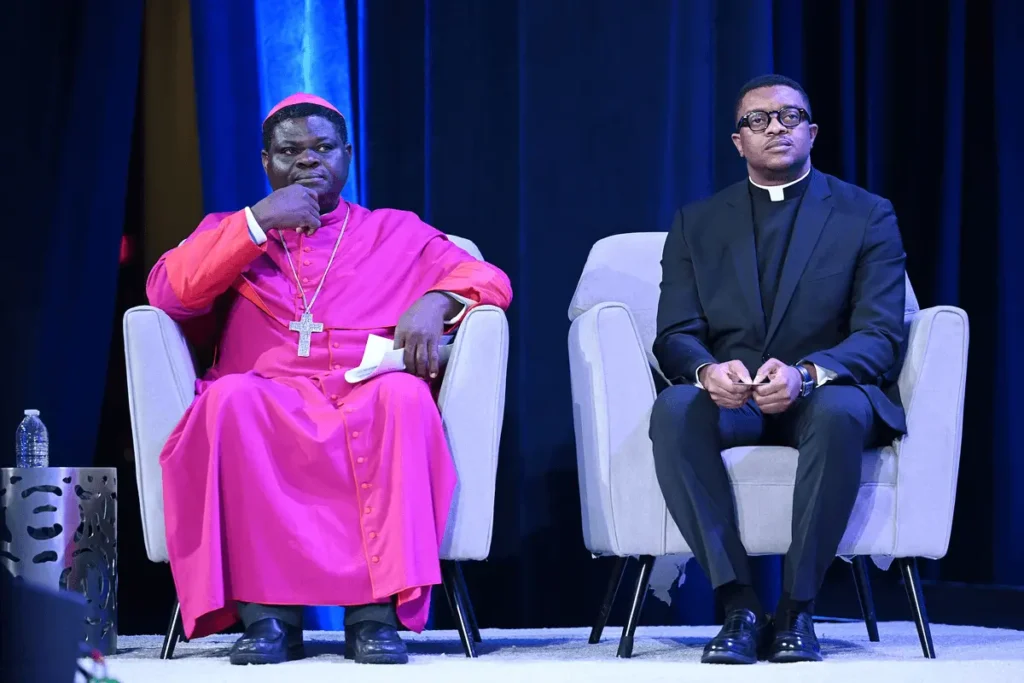
The Nigerian Government has strongly dismissed the accusations. President Bola Tinubu responded that, “Nigeria stands firmly as a democracy governed by constitutional guarantees of religious liberty. The characterisation of Nigeria as religiously intolerant does not reflect our reality.”
American rapper Nicki Minaj also contributed to the discussion on Tuesday during a U.S. Mission to the United Nations forum on religious violence. She said, “No group should ever be attacked because of its faith” and emphasised that her comments were meant to promote unity.
Nigeria was first designated a CPC in 2020 under Trump, but former President Joe Biden removed the country from the list shortly after assuming office.
What You Should Know
Bishop Wilfred Anagbe is a prominent Catholic leader from Benue State, one of Nigeria’s hardest-hit regions in the ongoing wave of violence against rural communities.
His testimony reflects long-standing concerns about religious persecution, displacement and government inaction.
By urging the U.S. to pair its CPC designation with sanctions, stronger oversight and humanitarian support, he hopes to pressure both nations into addressing the persistent insecurity affecting Christian communities across Nigeria.