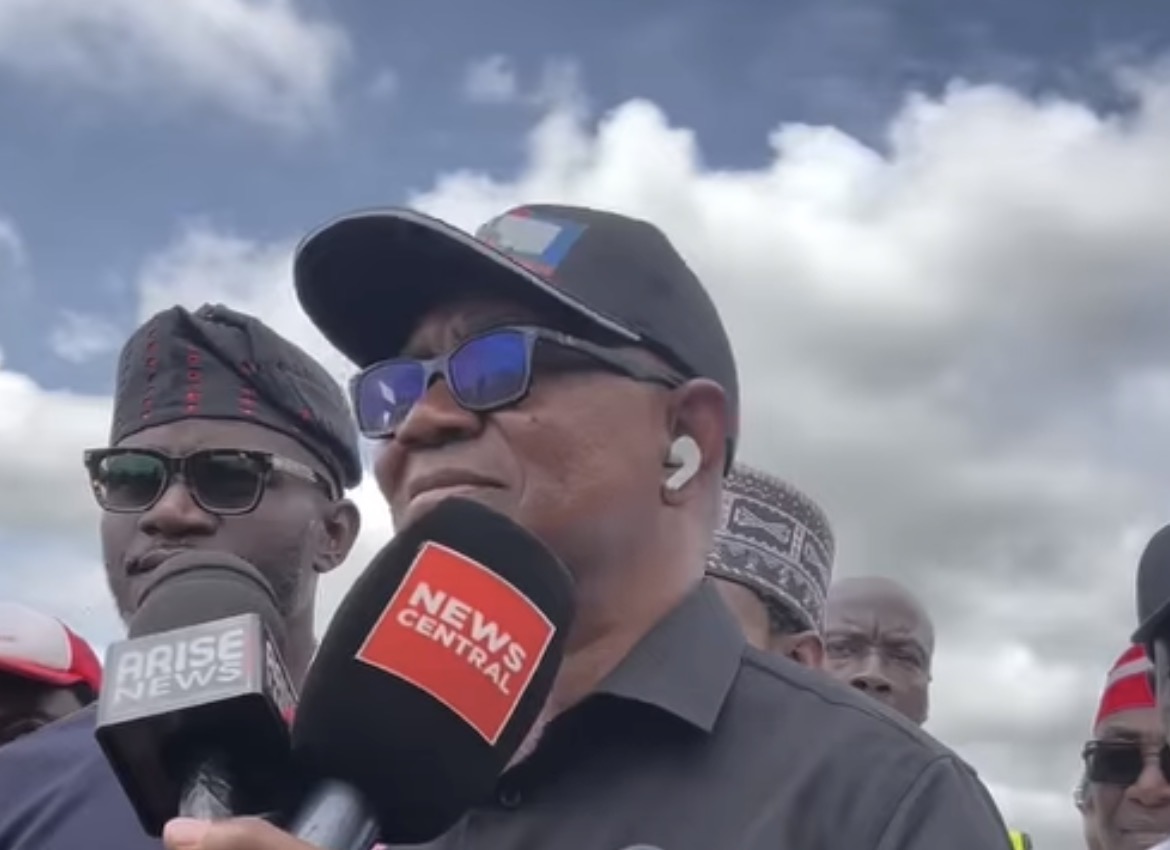
Two days after presidential hopeful Peter Obi’s convoy was halted on a federal highway in Benue State, authorities here say they have moved swiftly, arresting 46 people as investigators hunt for the organizers behind the blockade.
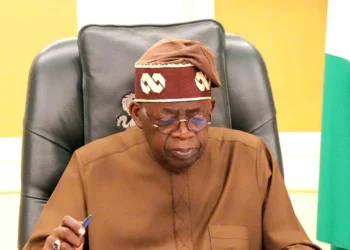
The confrontation unfolded on Tuesday, September 8, when Obi, the Nigeria Democratic Congress candidate for the 2027 election, flew into Makurdi intending to travel onward to Yelwata in the Guma Local Government Area.
His stated purpose was solemn: a visit to communities still reeling from the June 2025 killings there, one of the deadliest episodes of communal violence in the state’s recent history.
But roughly 24 hours before he could complete that mission, a group of youths blocked his convoy along the Gboko-Makurdi expressway, preventing him from reaching his intended destination.
Police say the visit had initially been described to them as a non-political trip to families affected by the Yelwata crisis, with Obi’s team indicating only a small entourage would travel, prompting the command to arrange enhanced VIP security accordingly.
Commissioner Nwadiogbu added that his command had been briefed the night before and had assigned its Assistant Commissioner for Operations to personally lead the security detail. Whatever the classification, the outcome was the same: youths massed on the highway, and what could have become a violent standoff instead ended with police pulling Obi’s convoy back.
Rather than risk a direct clash with the crowd, a call the commissioner said was made to avoid bloodshed and property damage, officers opted for what Nwadiogbu described as a “professional and tactical” withdrawal, escorting the candidate back to the airport, from which he departed the state without incident.
By Wednesday, the police response had shifted from de-escalation to enforcement. Fronting journalists in Makurdi, Nwadiogbu confirmed that 46 suspects had been rounded up in what he characterized as an intelligence-led operation launched almost immediately after the blockade.
He said the investigation remains active, with detectives now trailing the ringleaders believed to have organized the youths, several of whom have reportedly gone into hiding.
The commissioner was blunt about the stakes: with campaign season heating up ahead of 2027, he warned that no act of political intolerance would be tolerated in the state going forward.
Nwadiogbu also pushed back on any suggestion of police inaction, framing the retreat as calculated rather than passive. He insisted the command had begun intelligence operations immediately and stressed that every Nigerian retains a right to freedom of movement “irrespective of political affiliation, status, or personal belief,” adding pointedly that no individual or group has the authority to obstruct another person’s passage unlawfully.
The political fallout has been swift and combative. Allegations quickly surfaced, which NDC figures denied, claiming that an aide to Benue Governor Hyacinth Alia had a hand in organizing the blockade. The state government rejected the accusation outright.
In a statement from the governor’s office, Chief Press Secretary Tersoo Kula called Obi’s allegation baseless, suggesting instead that the disruption may stem from internal wrangling within the NDC itself, and accused Obi of trying to unfairly implicate Alia’s administration.
Nwadiogbu, for his part, appeared eager to keep the police above the political fray. He urged reporters covering the story to apply consistent standards, cautioning against covering similar incidents differently depending on which party’s candidate is involved.
For now, the deeper question of who mobilized the youths and why remains open. With Nigeria’s 2027 election cycle only beginning to take shape, the Yelwata blockade has already become an early test of how security forces, rival campaigns, and state governments manage tension on the campaign trail.
Benue police say more arrests could follow as the investigation into the incident’s organizers continues.
WHAT YOU SHOULD KNOW
The blockade of Peter Obi’s convoy in Benue and the swift arrest of 46 suspects that followed matter less for the roadblock itself than for what it signals: with the 2027 election still over a year away, political tensions in Nigeria are already flaring, and how quickly rival camps rushed to blame each other (NDC pointing at the governor’s aide, the state government pointing back at internal NDC rifts) shows how contested this election cycle is likely to be.
The real story to watch isn’t the 46 arrests; it’s whether police can actually identify and hold accountable the organizers behind the blockade and whether Commissioner Nwadiogbu’s warning against “political intolerance” holds up as campaigning intensifies.