FG Orders Polytechnics to scrap courses
The Federal Government has directed polytechnics across Nigeria to gradually stop offering non-technical courses that are outside their legal responsibilities as part of efforts to strengthen technical education and produce more skilled workers for the country’s growing industries.
The directive was given on Thursday in Abuja by the Minister of Education, Dr. Tunji Alausa, during the inauguration of the Governing Board of the National Board for Technical Education (NBTE).
He urged institutions supervised by the NBTE to give greater attention to applied sciences, engineering, technology, innovation and other technical fields that prepare students for practical careers.
The minister said technical and vocational education should no longer be seen as a second option for students who could not gain admission into universities.
According to him, the country needs a strong technical workforce to drive industrial growth, improve productivity and support economic development.
He said Nigeria cannot achieve lasting industrial progress without trained technicians, technologists, artisans, machine operators, fabricators, automation experts and other skilled professionals.
For this reason, the Federal Government has continued to invest in reforms aimed at connecting education with the needs of industries while helping students gain practical skills that can support employment, business creation and international competitiveness.
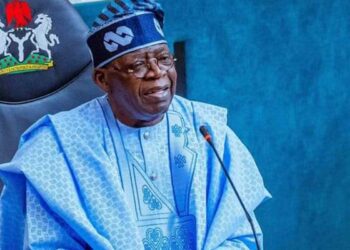
Alausa said the inauguration of the new NBTE Governing Board forms part of the implementation of President Bola Tinubu’s Renewed Hope Agenda, which places education and human capital development among the government’s priorities for economic growth.
He added that the present administration is changing the country’s education system by moving away from placing too much value on certificates alone.
Instead, the government wants graduates to leave school with practical knowledge, technical competence and innovative skills that can contribute to national development.
The minister congratulated the chairman and members of the board on their appointments, describing them as professionals whose experience and integrity would help improve technical education in Nigeria.
He expressed confidence that the new board would provide the leadership needed to strengthen the work of the NBTE, continue ongoing reforms and support the government’s plan to build a workforce capable of meeting global standards while promoting industrial expansion and innovation.
Alausa also assigned key responsibilities to the board. He asked members to provide policy direction, proper supervision and strategic leadership while allowing the Executive Secretary and the management team to remain responsible for the daily administration of the agency.
The minister further directed the board to speed up the implementation of the Recognition of Prior Learning programme in partnership with the Industrial Training Fund and other stakeholders.
He explained that the programme would officially assess and certify the skills of experienced artisans under the National Skills Qualification Framework.
According to him, formal certification would improve employment opportunities for skilled workers, increase their access to financial support, open the door to government contracts and make it easier for them to work across countries within the ECOWAS region.
On academic programmes, Alausa instructed the board to modernise the curriculum through Outcome Based Education.
He said courses should reflect current industrial demands by including digital technology, automation, artificial intelligence, green technology, advanced manufacturing systems and other emerging fields.
He also directed the board to maintain accountability in the use of public funds. He said capital projects, intervention funds, research programmes and institutional investments should produce visible improvements in skills training, institutional performance, youth employment and national productivity.