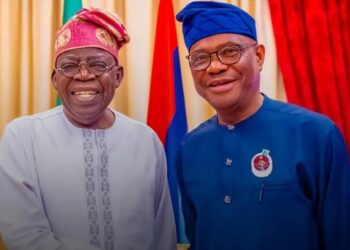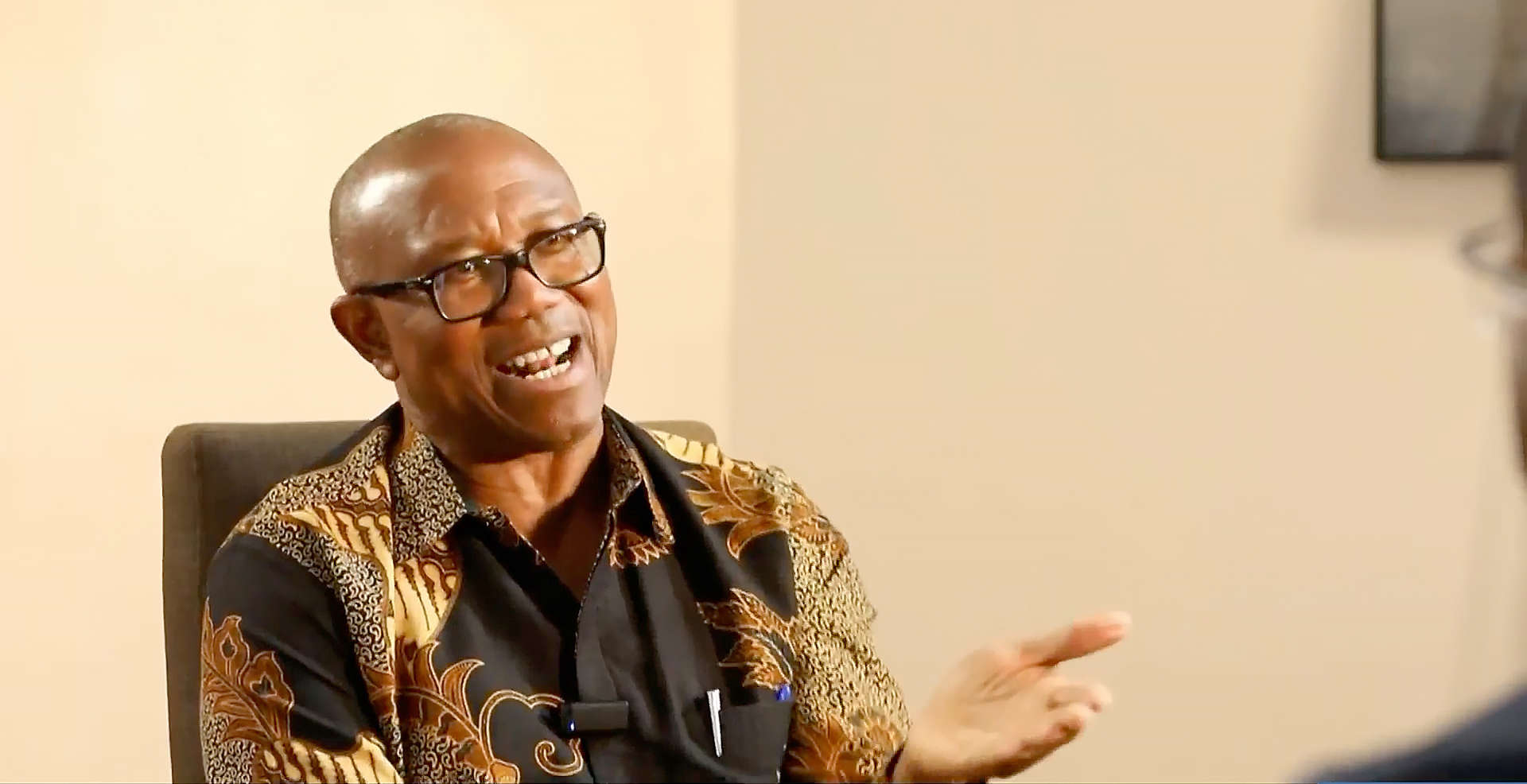
The Nigeria Democratic Congress’s (NDC) presidential candidate for 2027, Peter Obi, has raised a startling alarm about his personal safety, suggesting he may not survive to contest next year’s election and accusing the federal government of systematically frustrating his political activities.
Obi made the comments during a wide-ranging interview on With Chude, the podcast hosted by media personality Chude Jideonwo, portions of which were shared on X on Wednesday.
Asked whether there was a chance he might not be a candidate in 2027, the former Anambra State governor went further than the question implied, suggesting the threat to him was existential rather than merely political.
He was careful, however, to frame his remarks as description rather than formal accusation, saying he experiences obstruction “every day” and that routine activities have stopped functioning normally for him, even though officials never openly acknowledge interference.
Pressed on whether he personally was being singled out, Obi widened the claim to the entire opposition, alleging that basic entitlements are being withheld from him and that associates now fear the consequences of being seen with him.
He recounted an airport incident in which staff allegedly clamped his car while leaving others untouched, and said acquaintances at airports now avoid greeting him publicly.
He also claimed that well-wishers have asked him to skip family celebrations, including weddings, apparently out of concern that his presence could draw unwanted scrutiny.
Wednesday’s remarks are not an isolated outburst. Obi has repeatedly alleged over recent months that the Tinubu administration is working to keep him off the 2027 ballot.
In March, he told an audience that the government was determined to prevent his candidacy and warned that “if you know what they are doing to ensure that I’m not on the ballot in 2027, you will be surprised,” according to remarks reported at the time.
He has also criticised the amended Electoral Act signed by President Bola Tinubu for omitting forgery as a punishable offence, and has pointed to a Federal High Court ruling in Lokoja that overturned an earlier judgment compelling INEC to register the NDC as a political party as further evidence of a hostile environment for his campaign.
The Presidency has previously dismissed suggestions that Obi represents a serious threat to Tinubu’s re-election prospects. Presidential media adviser Sunday Dare said last week that the government was not afraid of Obi and no longer viewed him as a political nightmare, citing the administration’s record in office.
Dare also predicted Obi would be unable to repeat his 2023 upset win over Tinubu in Lagos State.
As with the remarks, the government has not directly addressed Obi’s specific allegations of physical obstruction or threats to his safety, and had not responded to the latest claims as of the time of filing.
Obi offered no documentary evidence to support his account during the interview, and Nigerian authorities have not confirmed any of the specific incidents he described.
The exchange nonetheless adds to a mounting narrative from Obi’s camp echoed by allies within the fledgling NDC and its predecessor coalition efforts that opposition politics in Nigeria carries mounting personal risk ahead of the 2027 vote.
WHAT YOU SHOULD KNOW
Peter Obi claims he may not live to contest the 2027 election, alleging the Tinubu government is deliberately frustrating him and other opposition figures from airport harassment to social isolation of his associates.
He offers no evidence, frames it as lived experience rather than formal accusation, and the government hasn’t responded.
Given the Presidency’s past dismissal of Obi as a serious threat, this is best read as an escalation in a long-running war of narratives ahead of 2027, not a confirmed security incident.