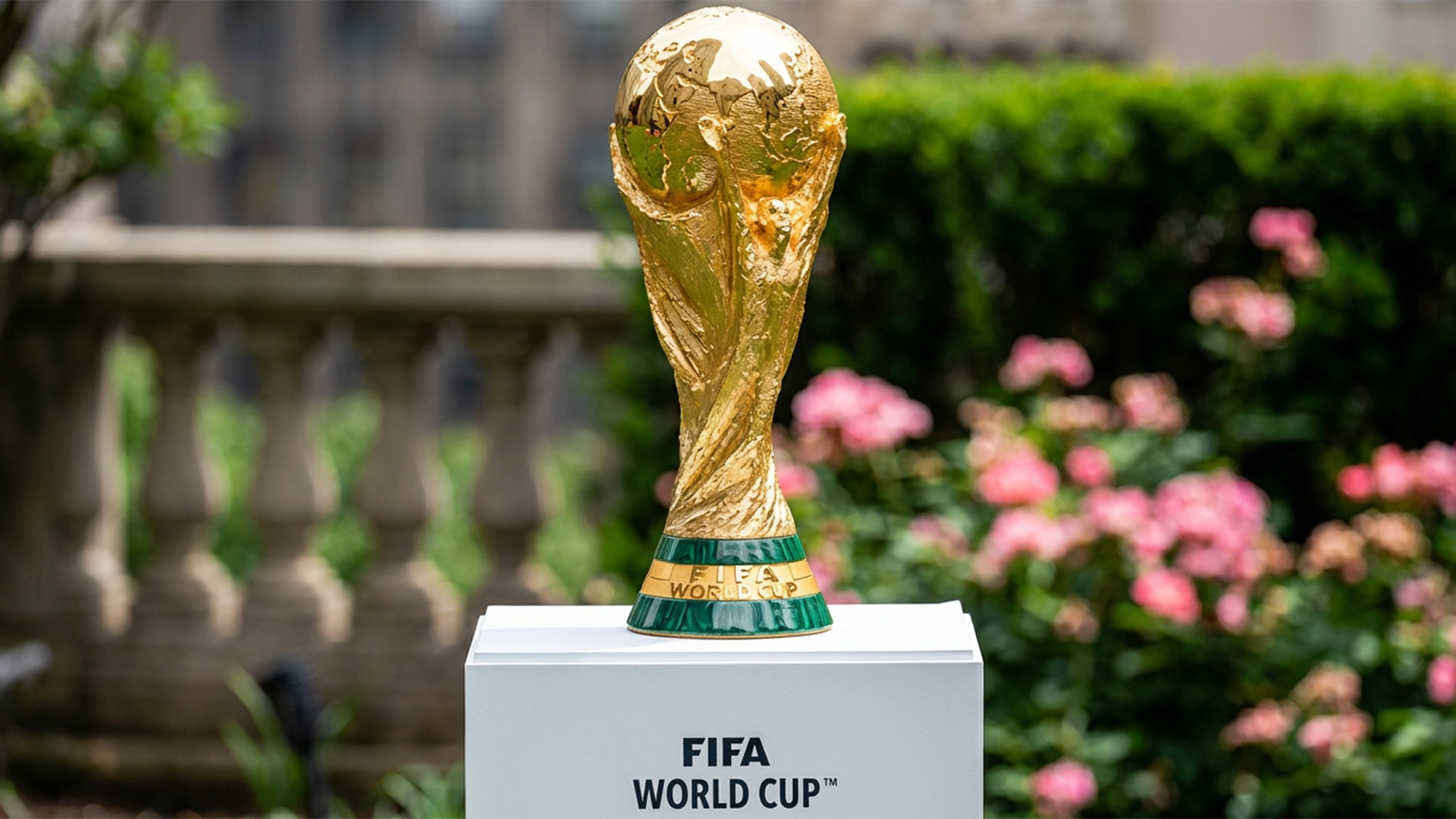
Nine African nations had punched their tickets to the knockout rounds of the 2026 FIFA World Cup, shattering every record the continent had previously set and sending a seismic message to the traditional custodians of the beautiful game.
South Africa, Morocco, Egypt, Ghana, Algeria, Senegal, DR Congo, Cape Verde, and Ivory Coast have collectively achieved in the sprawling, sun-drenched arenas straddling the United States, Canada, and Mexico, representing nothing less than a coming-of-age moment for African football on the world stage.
At previous editions of the tournament, African sides were largely celebrated for moments of individual brilliance or the occasional upset that sent stadiums into temporary delirium before the inevitable exit.
The continent had produced magical runs. Morocco’s extraordinary march to the semifinals in Qatar four years ago stands as the landmark achievement, but consistent collective progress had always remained elusive. Not anymore.
Skeptics were quick to point out, when FIFA announced the expansion to 48 teams, that the bloated format would inevitably invite also-rans and dilute the competition’s quality. African football has answered those critics emphatically.
These nine teams did not merely occupy space; they earned their place through performances of genuine quality — disciplined defensive structures, electrifying transitions, and a collective tenacity that rattled opponents who had underestimated them at their peril.
Morocco’s group stage was the stuff of tactical poetry. Walid Regragui’s side, still carrying the psychological confidence of their historic Qatar campaign, navigated their group without defeat, deploying the same compact, counter-attacking architecture that dismantled European giants four years ago. They now face the Netherlands in Guadalajara on Tuesday in what promises to be one of the ties of the round.
Senegal, perpetual contenders who have carried the weight of expectation since their own remarkable 2002 run, came through their group with the kind of authoritative displays that suggest Aliou Cissé has finally assembled a squad capable of going all the way.
A last-16 date with Belgium in Seattle on Wednesday night will test that theory under considerable pressure.
But if any single narrative has captured the imagination of supporters across Africa and beyond, it is the extraordinary journey of Cape Verde. The archipelago nation population, a little over half a million, arrived at this tournament as romantic outsiders.
They leave the group stage as genuine contenders, and Sunday night brings the most daunting examination of their tournament credentials: a meeting with defending champions Argentina in Miami.
The players of Cape Verde have already exceeded every reasonable expectation. Coaches, officials, and supporters back home have barely slept, watching matches through the early hours. What happens next against Lionel Messi and company may be beyond even the most optimistic script, but nobody who has watched this tournament believes anything is impossible.
South Africa’s presence, meanwhile, has stirred something profound domestically. The Bafana Bafana playing against Canada in Los Angeles this Sunday evening in the opening knockout fixture of Africa’s record-breaking contingent carries with it the hopes of a football-mad nation that has waited a generation for a moment like this. The streets of Johannesburg, Cape Town, and Durban will be watching.
For DR Congo, Ghana, Algeria, and Ivory Coast, reaching the knockout rounds is the reward for years of patient investment in infrastructure, youth development, and the professionalization of their domestic structures. Their qualification does not arrive from nowhere. It is the product of deliberate, sustained effort that the global game is now obliged to recognize.
When Algeria faces Switzerland in Vancouver in the early hours of Friday morning, when Ghana meets Colombia in Kansas City on Saturday, and when Ivory Coast takes on Norway in Arlington on Tuesday, these are not fixtures between a respected European side and a plucky African underdog. They are contests between equals, and the results should be treated accordingly.
The knockout rounds will inevitably provide clarity; some of these nine sides will fall in the coming days, and the mathematics of a winner-takes-all bracket makes exits unavoidable. But the legacy of this group stage cannot be undone, regardless of what follows.
Africa has never before entered the last 32 of a World Cup with such strength in numbers, and the precedent set here will resonate long after the tournament’s final is contested.
For now, the continent holds its breath, eyes fixed on arenas from Los Angeles to Miami, from Seattle to Atlanta. Nine nations. Nine chances. The most powerful statement African football has ever made on the greatest stage of all.
WHAT YOU SHOULD KNOW
Africa’s 2026 World Cup campaign marks a genuine turning point, not just a statistical milestone. Nine nations in the knockout rounds is historic, but the more important truth is how they got there through tactical discipline, quality football, and years of deliberate investment, not simply because the tournament expanded.
The continent is no longer producing occasional upsets; it is producing consistent, credible contenders. Whatever happens in the Round of 32, African football has permanently raised the bar for what the world should expect from it.