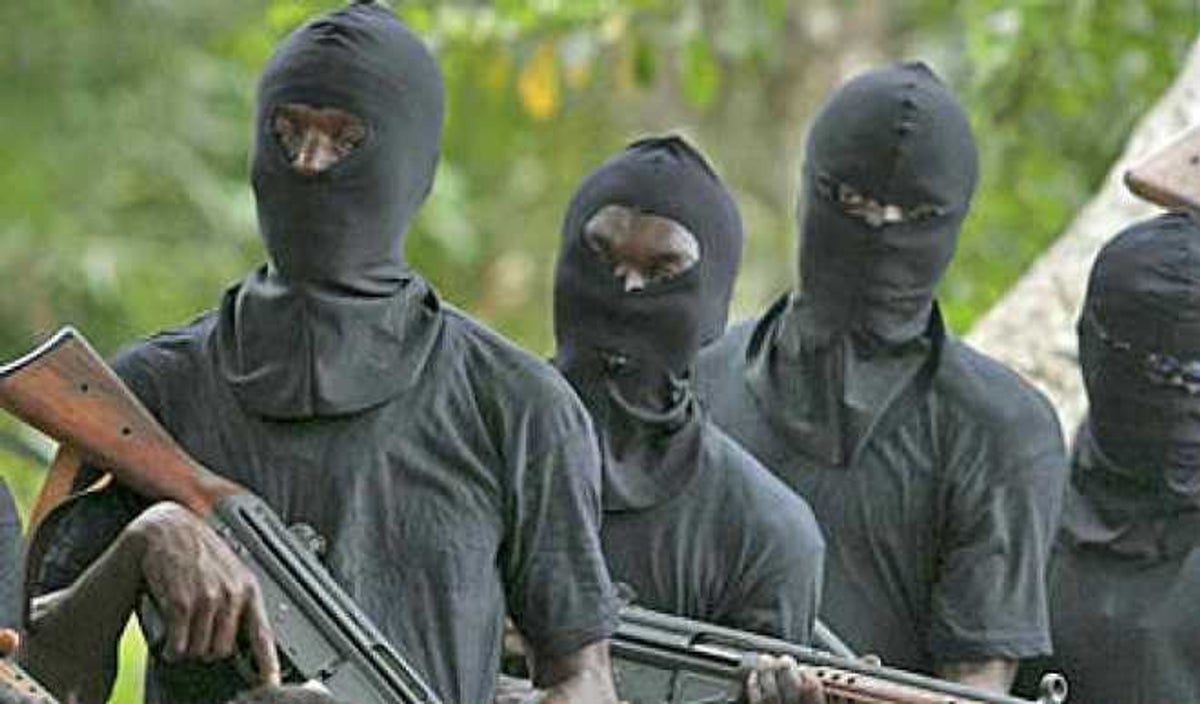
The quiet of early Saturday morning was shattered in the Duru-Kamang community of Foron District, Barkin Ladi Local Government Area, when gunmen suspected to be Fulani bandits descended on the settlement in the predawn hours of May 23, 2026, killing a farmer and making off with dozens of his livestock.
Samuel Tsok, 47, a well-known farmer and livestock keeper in the community, was shot dead after stepping out of his home to investigate what he believed were suspicious movements at the back of his compound. He did not survive the encounter. By the time the dust settled, more than 50 of his cows had been rustled and his family left devastated.
According to accounts gathered from community sources and confirmed by local youth leaders, the attack bore the hallmarks of deliberate planning.
Eyewitnesses believe the invaders may have deliberately created noise behind Tsok’s residence to lure him outside, a chilling tactic that turned the farmer’s instinctive vigilance into a death sentence.
“The attempt to check the source of the disturbance behind his house proved fatal for the victim as he was allegedly shot dead on getting to his backyard,” said Rwang Tengwong, National Publicity Secretary of the Berom Youth-Moulders Association (BYM), in a statement released on Saturday.
“It was glaring that the attackers used that to draw him out of his house. He didn’t know that at the time, the marauders were busy stealing his cows.”
Tsok, who was said to keep hundreds of livestock, a substantial asset by any measure in the agrarian economy of rural Plateau State, was evidently a target chosen for his wealth. The theft of over 50 cattle in a single raid represents not only a profound personal loss for his family but a crippling blow to the household’s livelihood.
The attack has sent shockwaves through Barkin Ladi and beyond, reigniting long-simmering fears among farming communities across the state’s volatile Middle Belt corridor. Residents described the raid as a “targeted attack,” and local leaders were unsparing in their condemnation.
The BYM, under the leadership of Barrister Dalyop Solomon Mwantiri, issued a strongly-worded statement describing the perpetrators as “armed Fulani terrorists” and calling the killing of Tsok unconscionable.
Tengwong, speaking on behalf of the association, underscored the broader pattern of insecurity that communities like Duru-Kamang have endured for years.
“This is yet another disturbing reminder of the persistent security threats facing peaceful communities across Barkin Ladi, Riyom, Bassa, and other parts of Plateau State,” he said, adding that it was unacceptable for law-abiding citizens to continue living in fear while armed criminals destroyed lives and livelihoods with apparent impunity.
The Plateau State Police Command has confirmed the attack and says an investigation is now underway. Divisional Superintendent of Police Alfred Alabo, the Command’s Public Relations Officer, said in a brief statement on Saturday that authorities have commenced efforts to track down the assailants and recover the stolen cattle.
However, for many in the region who have watched similar pledges made after similar attacks in recent years , pledges that often yield little in the way of arrests or prosecutions, the assurance rings hollow without visible follow-through.
Samuel Tsok leaves behind a family robbed not only of a father and provider, but of a sense of safety in their own home.
WHAT YOU SHOULD KNOW
The cold-blooded murder of Samuel Tsok in Barkin Ladi is not merely a local tragedy , it is a symptom of a deepening security crisis that Plateau State and Nigeria’s Middle Belt have failed to resolve.
A hardworking farmer was lured out of his home and shot dead while his life’s work was stolen from his backyard.
Until security agencies move beyond statements of investigation and begin delivering visible justice, communities like Duru-Kamang will remain hunting grounds for armed bandits and Samuel Tsok will be just another name in a list that keeps growing.