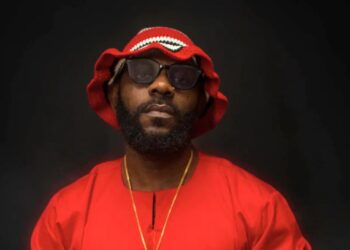
After nearly three weeks in detention and a chaotic legal battle, social media activist Chidiebere Justice Mark, known as “Justice Crack,” has been granted ₦5 million bail with one surety at the Federal High Court in Abuja.
The bail ruling, handed down by presiding judge Justice Joyce Abdulmalik, comes after a turbulent journey through the Nigerian justice system that has riveted the public, inflamed debate about free speech, and raised uncomfortable questions about the limits of citizen journalism in a country still navigating the boundaries between criticism and criminality.
Chidiebere was arrested on April 28 by officers of the Nigerian Army after leaving home for what he told his wife was a meeting, shortly after receiving a phone call. He was subsequently held incommunicado for four days, a detail that drew immediate outcry from civil liberties advocates and his supporters online.
The Army spokesman, Colonel Appolonia Anele, noted that Chidiebere initially came under scrutiny after sharing posts highlighting complaints by soldiers over feeding and welfare.
However, military authorities were not content to frame the matter solely as a welfare disclosure. The military alleged that Chidiebere’s interactions with the soldiers went beyond reporting welfare issues, claiming he actively incited personnel toward acts of subversion, stating: “A situation where civilians cultivate vulnerable personnel towards acts of subversion has far-reaching implications on discipline and national security.”
The Department of State Services (DSS) arraigned Chidiebere Justice Mark before the Federal High Court in Abuja on a three-count charge bordering on cybercrime. The charges, stark in their language, outlined the state’s case with precision.
The first count accused him of circulating information to the public through his X social media handle @JusticeCrack regarding alleged inadequate feeding of Nigerian Army personnel, which he knew to be false, posted for the purpose of causing annoyance, ill will, and hatred, an offense punishable under Section 24(1)(b) of the Cybercrimes (Prohibition, Prevention, etc.) Act, 2015, as amended.
The second count alleged that he published and circulated a viral video and accompanying statements concerning the Nigerian Army through his X handle, which generated widespread negative public reactions and was likely to cause fear and breach of peace, contrary to Section 59 of the Criminal Code Act.
The third and final count went further still, accusing him of attempting to commit a felony by publishing and circulating a derogatory video and accompanying statements concerning the Nigerian Army through his @JusticeCrack handle, which generated widespread negative public reactions and was likely to cause fear and breach of peace, contrary to Section 509 of the Criminal Code Act.
To each count, the defendant pleaded not guilty.
Tension broke out at the court premises as a group of youths blocked DSS operatives from taking the defendant away after his initial arraignment.
The protesters formed a human barricade, chanting “Free Justice Crack,” and demanding his release, while security operatives made several attempts to move through the crowd without using force.
Inside the courtroom, proceedings were equally charged. At the commencement of initial proceedings, the presiding judge asked defense counsel Marshall Abubakar whether a bail application had been filed.
The defense responded in the negative, and the court adjourned the case to May 25, 2026, ordering that the defendant be remanded in DSS custody pending further proceedings.
What followed were weeks of mounting anxiety for Mark’s family and supporters and then fresh chaos from an unexpected quarter: his own legal team.
The bail hearing suffered a dramatic setback at the Federal High Court in Abuja after a disagreement erupted within his legal team over who should take charge of the defense. The dispute led to the withdrawal of an earlier bail application filed for the activist, forcing the court to postpone proceedings.
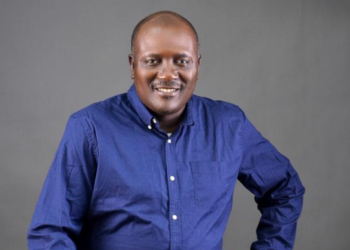
Speaking with journalists after the proceedings, counsel to the activist, Femi Balogun, accused another lawyer in the defense team, Marshall Abubakar, of frustrating the bail process after being prevented from leading the case.
Balogun explained that the activist’s family had instructed him to handle the matter in court because of his seniority at the bar. The judge struck out the processes filed by Abubakar and adjourned until May 18 for the hearing of a fresh bail application.
The case has drawn significant attention beyond the courtroom. The Foundation for Digital Justice, in a statement signed by Senior Counsel Festus Ogun, declared: “We stand in solidarity with Justice Chidiebere, popularly known as ‘Justice Crack,’ who is being prosecuted by the Nigerian government for highlighting the poor welfare conditions of Nigerian soldiers.
At a time when security personnel across the country continue to endure inadequate welfare packages, the digital space must remain an open platform for citizens to express grievances.”
Today, with his ₦5 million bail granted and one surety required, Chidiebere Justice Mark steps closer to freedom, at least pending trial.
The case, however, is far from over. It now moves toward what promises to be a keenly watched trial, pitting the state’s interpretation of cybercrime law squarely against the question of whether a citizen can be prosecuted for giving voice to the grievances of those sworn to protect the nation.
The next hearing is scheduled for May 25, 2026.
WHAT YOU SHOULD KNOW
A Nigerian social media activist sits in detention and potentially faces trial simply for posting about hungry soldiers.
Whatever the outcome, this case has drawn a sharp, uncomfortable line between national security and the right to speak freely, and how Nigeria chooses to walk that line will matter far beyond this courtroom.