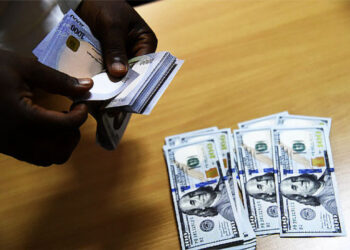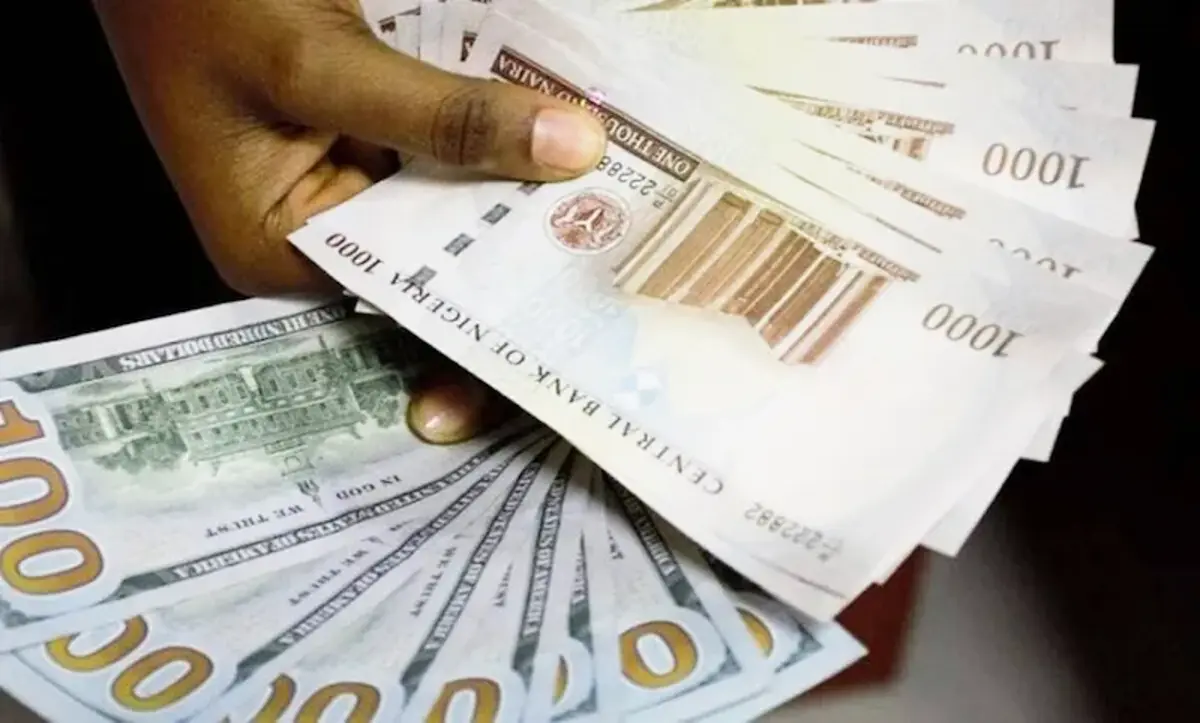
Nigeria’s naira held firm against the United States dollar on Tuesday, exchanging at an average rate of ₦1,358, at the official Nigerian Foreign Exchange Market (NFEM), according to data released by the Central Bank of Nigeria (CBN).
The figure represents a marginal appreciation from rates recorded in recent trading sessions, during which the dollar fluctuated between ₦1,352 and ₦1,365, depending on transaction volumes and the mix of financial institutions participating in market activity on any given day.
While the movement may appear negligible to the untrained eye, currency watchers say even a fractional shift in the official rate carries significant implications for Africa’s largest economy.
Financial analysts who spoke on the development largely credited the CBN’s sustained market interventions and an uptick in foreign exchange inflows through official channels for the naira’s relative steadiness.
The apex bank has, in recent months, doubled down on efforts to unify exchange rate windows and restore confidence in the official market, a strategy that appears to be yielding incremental, if cautious, results.
“What we are seeing is the effect of deliberate policy action,” one Lagos-based analyst noted. “The CBN has been active in supplying liquidity to the market, and there has been some improvement in the volume of inflows coming through legitimate channels. That combination is helping to anchor the rate.”
The central bank has repeatedly signaled its commitment to a market-reflective exchange rate regime since the sweeping foreign exchange reforms of mid-2023, which collapsed multiple exchange rate windows into a single, largely market-determined rate and sent the naira into a sharp initial depreciation before a gradual and uneven stabilization effort began.
Yet for all the cautious optimism, analysts were equally quick to flag the significant headwinds that continue to bear down on the naira. Demand for dollars, they warned, remains robust and structurally entrenched, fuelled by a broad coalition of economic actors whose appetite for foreign exchange shows little sign of easing.
Importers seeking to clear goods from ports, manufacturers procuring raw materials from overseas, families remitting school fees abroad, and Nigerians preparing for foreign travel all continue to queue up for dollars in volumes that consistently outpace available supply.
This sustained demand-supply imbalance, analysts cautioned, remains the single most persistent threat to any naira recovery narrative.
“The pressure is real, and it is broad-based,” a treasury official at one of Nigeria’s tier-one banks said. “Until we see a structural improvement in domestic production and a reduction in import dependency, the demand side of this equation is not going away.”
Looking ahead, currency dealers painted a picture of continued sensitivity and uncertainty. They identified three primary variables that will determine the naira’s trajectory in the weeks ahead: global crude oil prices, the volume of foreign portfolio investment flowing into Nigerian assets, and the monetary policy direction of the CBN.
Nigeria’s fortunes remain deeply tethered to oil, a dependency that successive administrations have pledged to break but never fully dismantled. A sustained decline in global oil prices would tighten dollar earnings from crude exports, shrink the CBN‘s intervention capacity, and put renewed downward pressure on the naira. Conversely, a rally in oil prices could reinforce the relative calm seen in Tuesday’s session.
Foreign portfolio inflows are notoriously fickle and highly sensitive to interest rate differentials, and also remain a critical pillar of FX supply. Nigeria’s elevated benchmark interest rate has helped attract some carry trade activity, but dealers warned that any shift in global investor sentiment or a change in U.S. monetary policy could prompt rapid capital reversals that would rattle the naira.
Finally, all eyes remain fixed on the CBN’s Monetary Policy Committee, whose future rate decisions will be parsed closely for signals about the apex bank’s appetite for further tightening or its willingness to ease, either of which carries direct consequences for exchange rate dynamics.
Tuesday’s rate, in many respects, is a snapshot of a currency walking a tightrope supported on one side by institutional intervention and improving inflows and pulled downward on the other by structural import dependency and the ever-present volatility of global commodity markets.
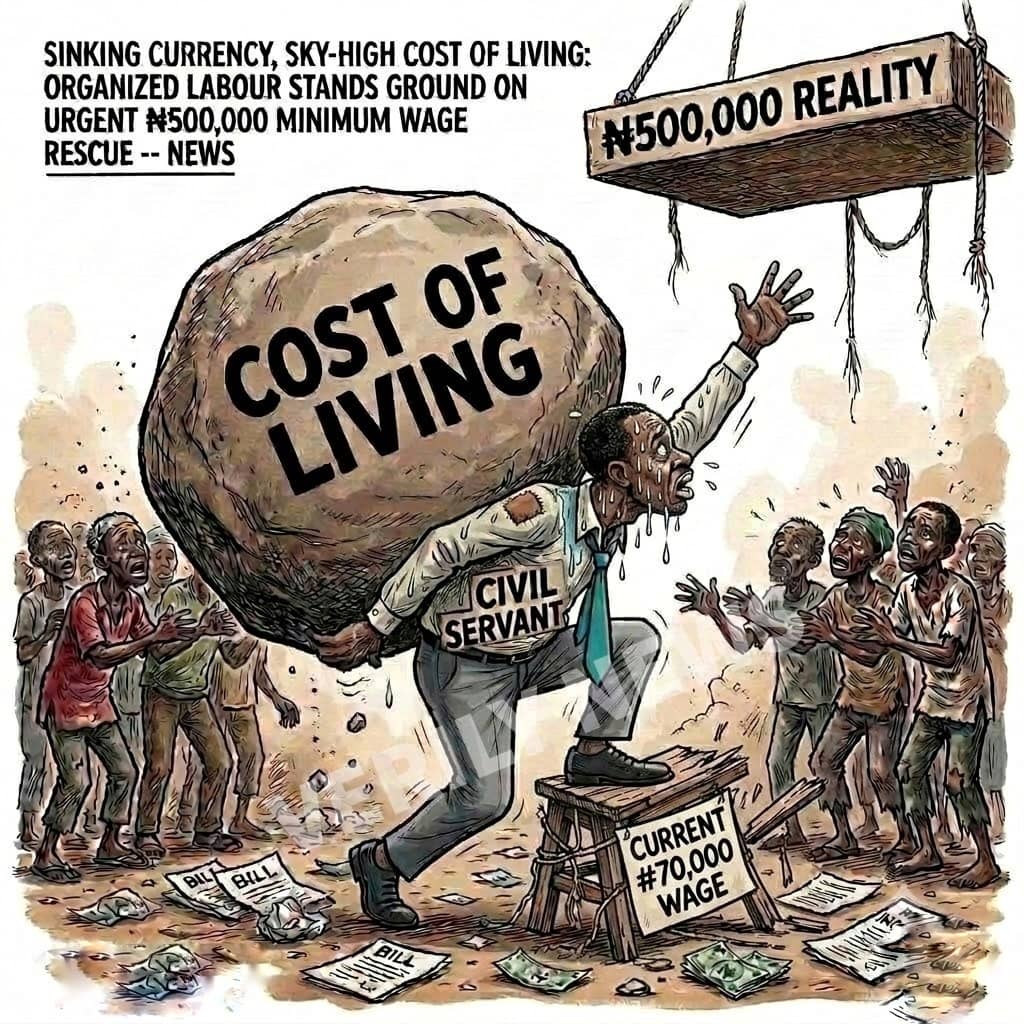
For ordinary Nigerians, many of whom feel the exchange rate’s impact most acutely through rising prices of food, fuel, and imported goods, the ₦1,358 rate offers little cause for celebration. But for policymakers and market participants, it represents something rarer and more valuable in Nigeria’s recent economic history: a moment of cautious, hard-won stability.
Whether that stability holds will depend, as it so often does, on forces both within and far beyond Nigeria’s borders.
WHAT YOU SHOULD KNOW
Nigeria’s naira traded at ₦1,358 to the dollar on Tuesday, showing modest stability largely propped up by Central Bank interventions rather than any fundamental economic strength.
The calm is fragile. Until Nigeria meaningfully reduces its dependence on imports and grows alternative sources of foreign exchange earnings beyond oil, the naira will remain perpetually vulnerable, one policy misstep, one oil price slump, or one wave of foreign investor exit away from renewed turbulence.