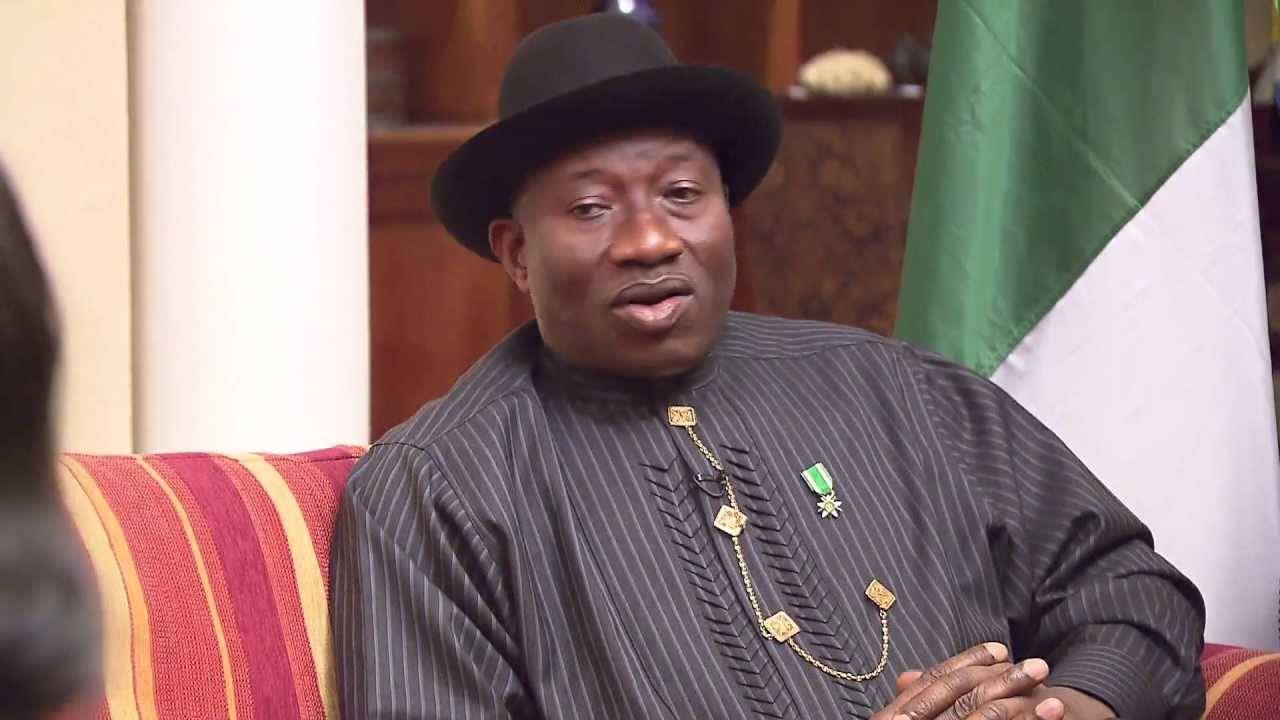
Former President Goodluck Jonathan has responded to mounting calls from youth groups urging him to contest Nigeria’s 2027 presidential election, stressing that the race for the nation’s highest office requires deep reflection and cannot be approached casually.
Jonathan made the remarks on Thursday while receiving members of several youth groups who visited his Abuja office to persuade him to re-enter the presidential race.
Addressing the delegation, the former president acknowledged their appeal but made it clear that any decision regarding a possible return to active presidential politics would only come after broad consultations.
“You are asking me to come and contest the next election. Presidential race is not a computer game. But I’ve heard you and I’ll consult widely,” he said.
He commended the young Nigerians for their commitment to national affairs, describing their engagement as a sign of patriotism and civic consciousness.
According to him, genuine concern for the country’s future is demonstrated through active participation in national conversations and democratic processes.
“If you have no interest in the country, you will not bother to be here,” he added.
Jonathan used the opportunity to call on Nigerian youths to prioritise peace and continue advocating for credible electoral processes, warning that flawed elections discourage competent and patriotic citizens from offering themselves for public office.
“The key thing we need in this country is peace.
“You continue to advocate for that. And you continue to advocate for peaceful and credible elections in the country. Because if we don’t have peaceful and credible elections, most good citizens will not want to bother to get involved in politics,” he stated.
The former president also expressed concern over Nigeria’s consistently low voter turnout, describing it as one of the poorest electoral participation rates globally despite the country’s large population.
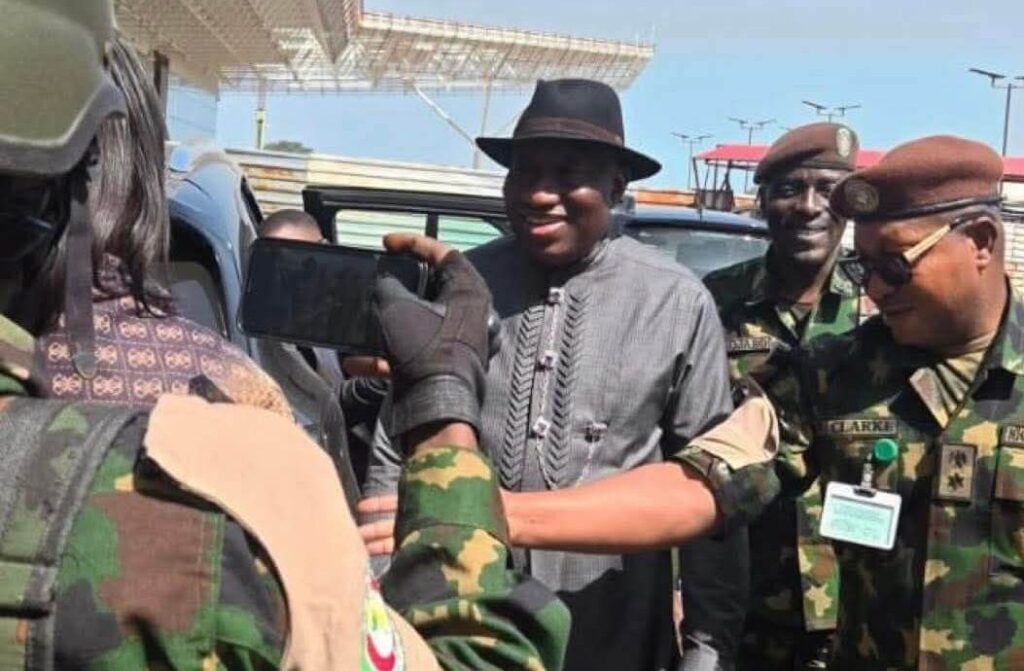
Drawing from his international experience as an election observer, Jonathan said Nigeria compares poorly with several African and Southeast Asian nations in terms of voter participation.
“I’ve observed elections in about 14 or more African countries and even Southeast Asia. Nigeria has the lowest turnout in every election cycle.
“I think INEC needs to do something about it. They need to start to get consultants to look at it. And what is the cause? As young people, you must be involved in the electoral process,” he said.
He challenged the youth groups to move beyond political advocacy by actively participating in elections through voter registration and voting.
“If I ask how many of you have your voter’s card now, probably 50% of you don’t have your voter’s card. And you’re asking me to go and contest the election. So you must participate in the electoral process,” Jonathan remarked.
The former president also lamented the negative perception many Nigerians face abroad, linking the issue partly to decades of governance challenges.
“The highest level of disdain shown to Nigerian youths abroad has to stop. Even African countries that we have, African countries that even when we are students, as of our scholarship monies, we are contributing to solve problems in those countries,” he said.
While he stopped short of confirming any intention to run, Jonathan reiterated that consultations would determine his next political move.
“I will consult. I cannot just wake up and say I want to be the president of Nigeria again. But I am telling you that I will consult. If there is a need to, I will wait,” he said.
His comments are expected to intensify political conversations around the 2027 general election, as speculation continues over whether he may stage a return to Nigeria’s presidential contest.
What You Should Know
Goodluck Jonathan has neither accepted nor rejected calls to contest the 2027 presidential election. His response signals caution and a deliberate approach to any possible political comeback.
By emphasising consultation, credible elections, and youth participation, the former president shifted attention from personal ambition to broader democratic concerns. His remarks also highlight growing public interest in alternative political options ahead of 2027.
If Jonathan eventually decides to run, it could significantly reshape Nigeria’s political landscape and alter the calculations of major political parties preparing for what is expected to be a fiercely contested election season.