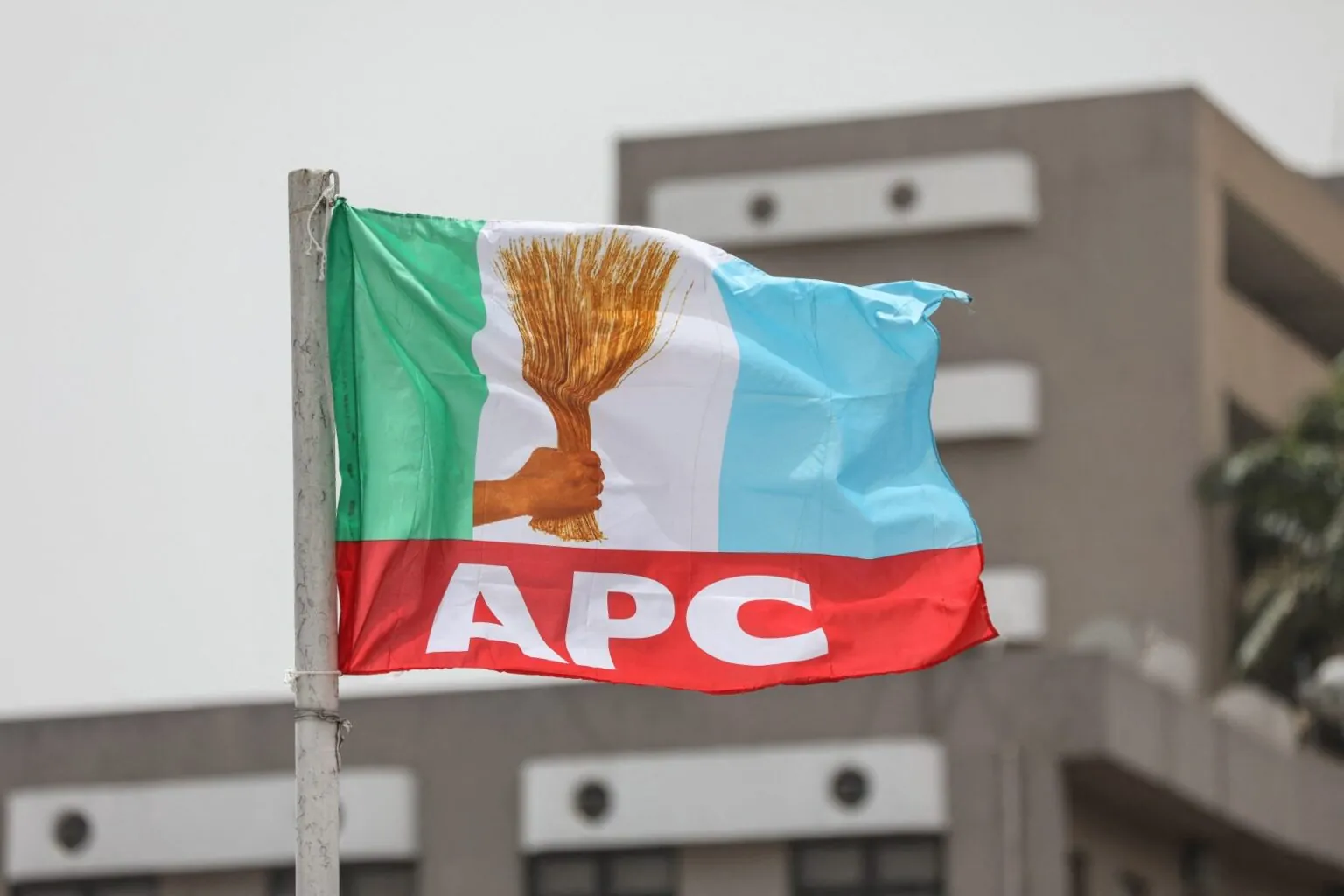
APC has pushed back the deadline for the purchase and submission of nomination forms for aspirants seeking elective offices in the 2027 general elections, citing the need to accommodate the ongoing process.
The extension, announced on Monday by the party’s National Publicity Secretary, Felix Morka, gives prospective aspirants a fresh window to complete the required documentation, a move that, while framed as procedural, underscores the logistical strains quietly shadowing what is shaping up to be one of the most consequential internal party exercises ahead of the next electoral cycle.
Under the revised schedule, the sale of nomination forms will now run until midnight on Wednesday, May 6, 2026, while the submission of completed forms has been extended to midnight on Thursday, May 7, 2026.
The APC further announced a fresh screening timetable, with the vetting of aspirants slated to commence on Friday, May 8, running through to Tuesday, May 12, 2026. A list of screened aspirants is then expected to be published on Wednesday, May 13, 2026.
The new dates represent a notable shift from the party’s original schedule, which had projected the entire form-sale exercise to open on April 25 and close by May 2. However, the process reportedly kicked off three days behind schedule, leaving party officials with little choice but to restructure the timetable entirely.
Beyond the scheduling adjustments, the sheer cost of the nomination forms has become one of the more striking storylines of this exercise, an unmistakable signal of where Nigeria’s political elite stands in terms of access and resources.
The APC has pegged its presidential nomination form at ₦100 million, a figure that effectively narrows the field to individuals with deep pockets or powerful political backing. Governorship aspirants are not far behind, with forms fixed at ₦50 million, a price tag that in itself represents a significant barrier to entry for many.
Further down the ballot, the costs remain steep. Senate aspirants are expected to pay ₦20 million, House of Representatives candidates ₦10 million, and those eyeing seats in the State House of Assembly ₦6 million.
While these amounts are not unprecedented in Nigerian political financing, they have reignited debate among observers and civil society voices about the widening gap between the ordinary Nigerian and the political process that is supposed to represent them.
The APC, which controls the presidency and a significant share of Nigeria’s legislative landscape, is conducting this exercise at a particularly sensitive political moment. With 2027 still over a year away, the early mobilization of aspirants and the accompanying financial transactions signal that the machinery of Nigerian politics is already in full gear and that the ruling party is keen to project both organization and dominance.
Yet the delay that triggered this week’s extension raises questions. A process that began three days late and has since required a full overhaul of its timetable reflects, at minimum, the operational challenges that large political parties in Nigeria routinely navigate.
Critics may argue it also reflects a more systemic issue: the tendency of major parties to treat internal timelines as flexible, with little accountability for delays that trickle down to aspirants planning their campaigns.
For now, the APC has drawn a firm line in the sand: midnight on May 7 is the final call for form submissions. What follows the screening, the publications, and ultimately the primaries will offer a clearer picture of who among Nigeria’s political class will be wearing the ruling party’s colors when voters go to the polls in 2027.
WHAT YOU SHOULD KNOW
The APC has revised its 2027 election preparation timetable after a three-day delay forced a reshuffling of its original schedule.
The form’s sales now close on May 6, submissions due by May 7 and screening running May 8–12. The more telling story, however, lies in the price of participation: ₦100 million for presidential forms and ₦50 million for governorship, amounts that effectively price out the average Nigerian and cement politics as a game for the wealthy few.
As the ruling party gears up for 2027, the real question is not who submitted their forms on time, but who could afford to in the first place.