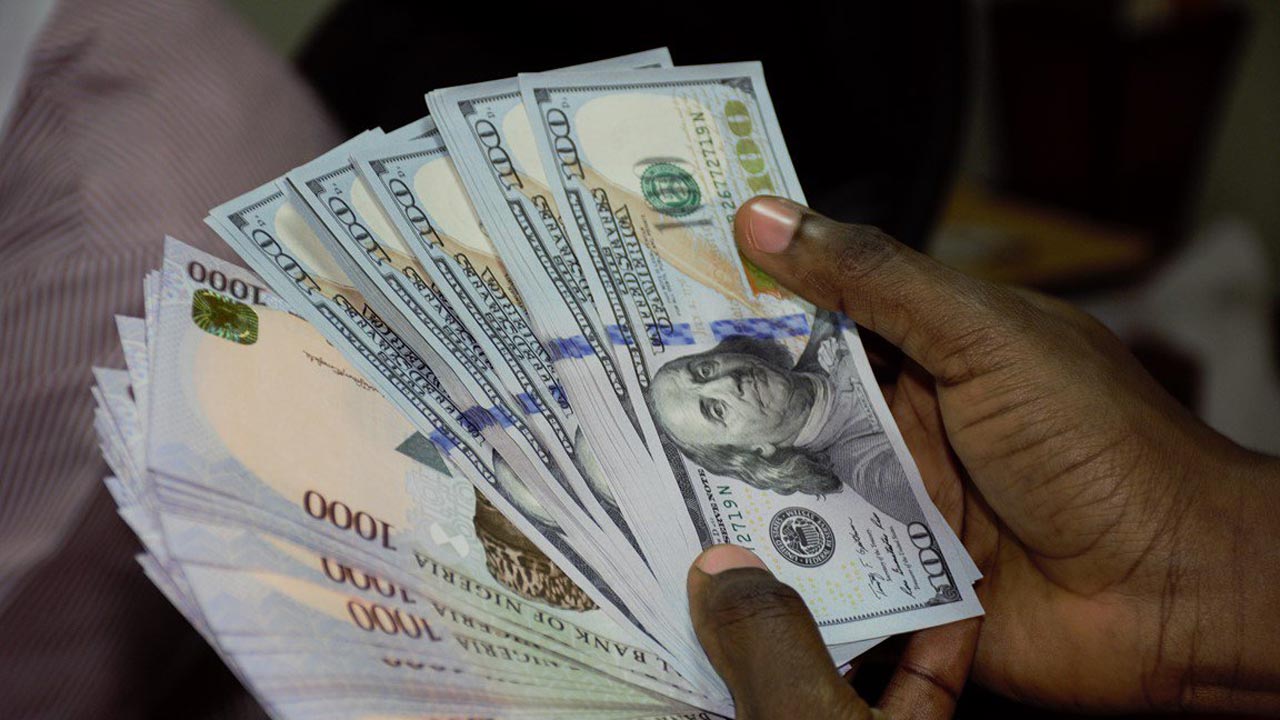
Nigeria’s Naira traded at approximately ₦1,360.19 per dollar on the NFEM on Tuesday, with currency participants navigating a cautiously balanced session.
The local currency opened the day at ₦1,359.23 per dollar before edging slightly lower to its current position, a movement of less than one naira that, while numerically modest, reflects the delicate push and pull of demand and supply forces that characterize daily activity in Nigeria’s foreign exchange corridor.
For analysts watching the market closely, even marginal intraday shifts carry weight, often serving as early indicators of broader monetary pressure or relief.
The Central Bank of Nigeria (CBN) remained a steady hand behind the scenes, maintaining its close surveillance of the official window in what has become a defining feature of Governor Olayemi Cardoso’s reform-oriented stewardship of monetary policy.
The apex bank’s commitment to the “willing buyer, willing seller” framework, a cornerstone of the liberalized exchange rate architecture introduced in mid-2023, continues to underpin confidence in the price discovery process, even as participants remain alert to the possibility of policy intervention should volatility escalate beyond manageable thresholds.
“The CBN’s role here is not to set the rate but to ensure the integrity of the market,” one currency dealer familiar with the apex bank’s operations noted. “As long as that transparency holds, the market can breathe.”
Beneath the surface of today’s trading activity lies a constellation of macroeconomic variables that are quietly dictating the Naira’s fortunes. Chief among them is the ever-present influence of global crude oil prices, which remain a lifeline for Nigeria’s foreign reserve accretion.
As Africa’s largest oil producer, Nigeria’s external earnings, and by extension, the CBN’s capacity to defend the naira are inextricably tied to the performance of Brent crude on international markets.
Any upward movement in oil prices tends to bolster the country’s reserve buffers and ease pressure on the local currency, while a downturn can quickly translate into tightening dollar liquidity in the domestic market.
Equally significant on this particular trading day is the clearance of corporate foreign exchange backlogs and obligations that Nigerian businesses have accumulated over time and are now actively working through. Combined with seasonal demand for international payments, including school fees, medical bills, and import financing obligations that typically spike at certain points in the calendar year, these internal liquidity dynamics are adding texture to what might otherwise appear to be a routine trading session.
With the market still open and participants keeping one eye on global sentiment, stakeholders across the spectrum, from multinational corporations managing naira exposure to small and medium enterprises sourcing raw material imports, have been urged to track the closing rate later in the day for a definitive read on the naira’s midweek performance.
The consensus among market watchers is that, barring any sudden shock, be it an unexpected CBN policy announcement, a sharp swing in oil futures, or a shift in risk appetite among foreign portfolio investors, the Naira is likely to consolidate within its current trading band through the close of business.
“The market is finding its footing,” said a Lagos-based fixed income and currency analyst who requested anonymity. “We are not seeing panic. We are not seeing euphoria. What we are seeing is a market that is, for now, pricing risk rationally.
Tuesday’s session is a microcosm of the broader journey the Naira has been on since Nigeria dismantled its multiple exchange rate windows and embraced a more unified, market-reflective regime.
The road has not been without turbulence; the currency suffered steep depreciation in the months that followed liberalization, but proponents of the reform argue that the short-term pain was a necessary precondition for long-term macroeconomic stability.
Whether today’s relative calm signals genuine stabilization or merely a pause before the next wave of pressure remains a question that only time and the closing bell will answer.
WHAT YOU SHOULD KNOW
The Naira is holding steady at approximately ₦1,360.19 per dollar in Tuesday’s official market trading, reflecting cautious stability rather than crisis.
While minor intraday fluctuations are normal, the Central Bank of Nigeria’s transparent, market-driven framework is keeping conditions orderly.