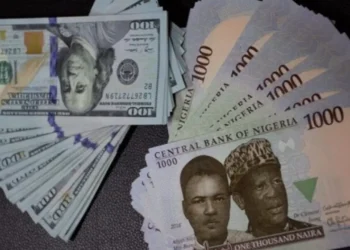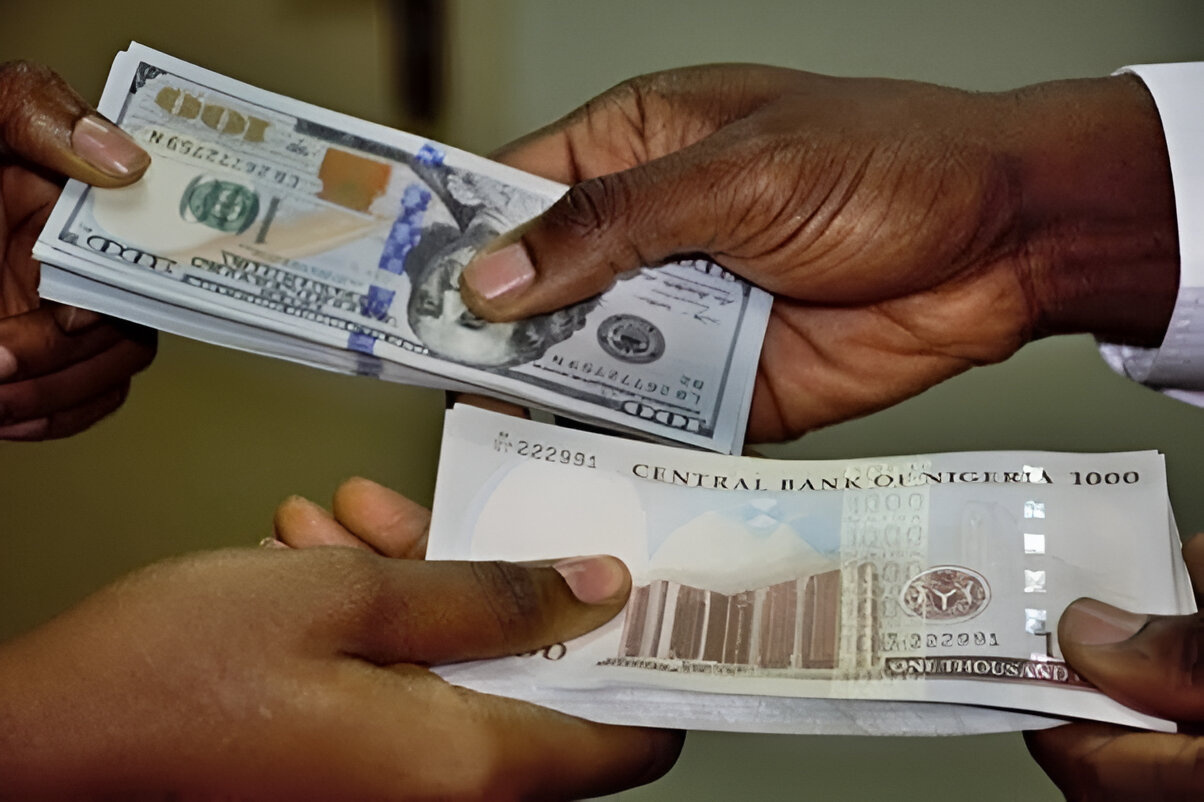
The Nigerian naira opened the day with only the slightest of tremors, closing at ₦1,379.50 to the US dollar after starting at an intraday low of ₦1,378.98, according to official data from the Nigerian Foreign Exchange Market (NFEM).
Trading volumes remained measured in the early session, with the local currency briefly testing ₦1,380.00 before settling into its current range — a picture of relative calm in an otherwise jittery global currency landscape.
The dollar itself is walking a tightrope. After sustaining broad losses in recent sessions, the greenback is now hostage to the precarious truce struck between Washington and Tehran following a five-week conflict that has rattled energy markets and investor confidence worldwide.
The ceasefire, fragile from the outset, now looks perilously close to collapse. Israel continues its parallel offensive against the Iran-backed Hezbollah militia in Lebanon, while Iranian officials have accused both Israel and the United States of repeated violations, declaring further peace talks “unreasonable.”
Compounding the unease, the Strait of Hormuz — the world’s most critical chokepoint for oil shipments — remains effectively closed to vessels without explicit permits. Major shippers have signalled they will not resume transit until the situation stabilises, a development that has already pushed oil prices higher and underscored the region’s lingering leverage over global energy flows. Iran, analysts note, emerges from the conflict with greater control over the strait than it held before the fighting erupted.
US President Donald Trump moved quickly to dampen speculation of an immediate withdrawal, stating that American ships, aircraft and personnel would remain in position “in and around Iran” until Tehran demonstrates full compliance with the deal. The message was clear: Washington is not yet ready to declare victory and head home.
On the broader currency front, the dollar index — which tracks the greenback against a basket of major currencies — held flat at 99.07. The euro slipped 0.01 per cent to $1.1661, while sterling managed a modest 0.01 per cent gain to $1.3393.
The Japanese yen, which had rallied on the initial truce announcement, gave back some of those gains, weakening 0.15 per cent to ¥158.81 per dollar. Money markets are now pricing in a 55 per cent probability of a Bank of Japan rate hike later this month, according to data from Tokyo Tanshi.
The US currency has been one of the clearest beneficiaries of the Middle East flare-up. As a net energy exporter, America is far less vulnerable to the oil-price shock now confronting major importers such as Japan and several European economies.
The conflict has triggered the largest disruption to global oil and gas supplies on record, shaking confidence and reinforcing the dollar’s traditional safe-haven status during geopolitical storms.
“Strong US data could trigger a rebound in the dollar,” warned Akihiko Yokoo, senior analyst at Mitsubishi UFJ Bank, in a note to Reuters, capturing the market’s lingering uncertainty.
Elsewhere, the Australian dollar eased 0.06 per cent to $0.7039, while New Zealand’s kiwi strengthened 0.17 per cent to $0.5832. In the cryptocurrency arena, Bitcoin shed 0.49 per cent to $71,030.07 and Ethereum dropped 1.06 per cent to $2,186.50, reflecting the same risk-off sentiment gripping traditional markets.
For Nigerian traders and businesses already grappling with imported inflation and fuel costs, today’s modest naira stability offers a brief breathing space.
Yet the message from the NFEM floor is unmistakable: as long as the guns in the Middle East remain only half-sheathed, the naira — like every other currency — will remain at the mercy of distant headlines.
WHAT YOU SHOULD KNOW
The Naira held largely steady at ₦1,379.50 per US dollar amid moderate trading, but this apparent calm masks deeper global unease.
The fragile US-Iran ceasefire remains on thin ice, with ongoing tensions, a closed Strait of Hormuz, and rising oil prices continuing to fuel uncertainty.
As long as this geopolitical standoff persists, currency and oil markets — including the Naira — will stay highly sensitive to any sudden escalation in the Middle East.