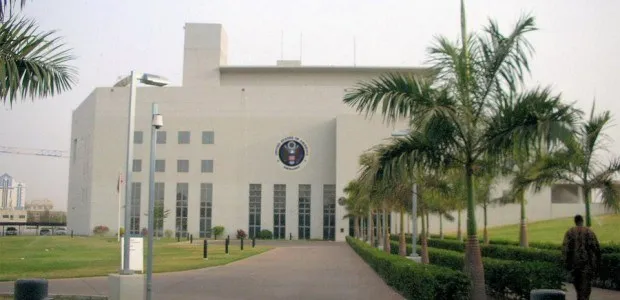
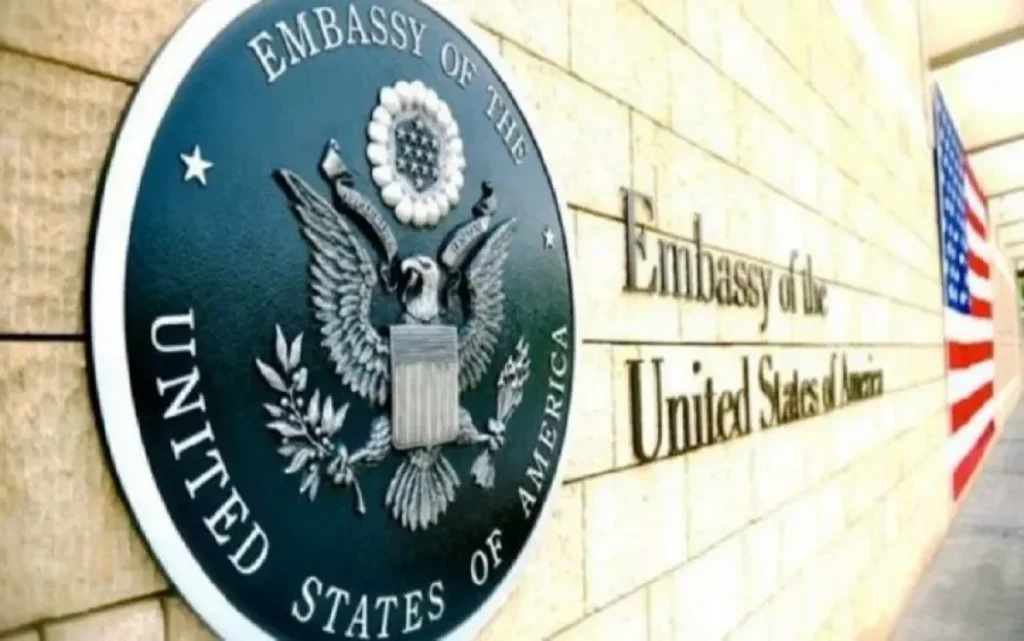
The United States Department of State has approved the departure of non-essential American government staff and their families from its embassy in Abuja, citing rising security concerns across Nigeria.
In an updated travel advisory released on Wednesday, the department urged U.S. citizens to reconsider any planned trips to Nigeria starting April 8, 2026, pointing to increasing threats such as crime, terrorism, kidnapping, and civil unrest. The country remains under a “Level 3: Reconsider Travel” classification, while several regions have been escalated to “Level 4: Do Not Travel.”
The advisory revealed that Plateau, Jigawa, Kwara, Niger, and Taraba states have now been added to the high-risk list, bringing the total number of states under severe warning to 23.
“On April 8, 2026, the Department of State authorized non-emergency U.S. government employees and family members to depart the U.S. Embassy Abuja due to the deteriorating security situation,” the advisory stated.
Northern regions, including Borno, Jigawa, Kogi, Kwara, Niger, Plateau, Taraba, Yobe, and parts of Adamawa, were identified as particularly dangerous due to persistent threats from terrorism, criminal activity, and kidnappings. Other states such as Bauchi, Gombe, Kaduna, Kano, Katsina, Sokoto, and Zamfara were also flagged for heightened risks tied to civil unrest and armed violence.
“Security operations to counter these threats may occur without warning,” the advisory warned, noting that incidents of community violence, armed robbery, and abductions remain widespread.
In the southern and southeastern parts of the country, Abia, Anambra, Bayelsa, Delta, Enugu, Imo, and Rivers states, excluding Port Harcourt, were also categorized as high-risk zones. Travelers were advised to steer clear of protests, crowded gatherings, and areas known for armed gang activity.
The advisory further highlighted concerns about Nigeria’s healthcare system, describing services as inconsistent and often below U.S. and European standards. Americans intending to visit were encouraged to enroll in the Smart Traveler Enrollment Program (STEP), remain vigilant, and establish clear safety measures, including “proof of life” protocols.
The department emphasized that violent crimes such as armed robbery, carjacking, and ransom kidnappings occur frequently, with U.S. citizens often perceived as high-value targets. It also warned of ongoing terrorist threats in public spaces, including markets, hotels, places of worship, and major events.
What you should know
The United States has approved the evacuation of non-essential staff from its Abuja embassy due to worsening insecurity in Nigeria.
A travel advisory now warns Americans to reconsider visiting the country, with 23 states classified as high-risk or “Do Not Travel” zones. Threats include terrorism, kidnapping, and violent crime across both northern and southern regions.
The move reflects growing international concern over safety conditions. U.S. citizens are advised to remain cautious, avoid crowded areas, and register for updates through official channels while monitoring the evolving security situation closely.