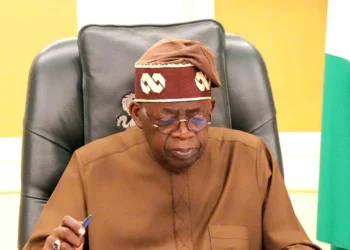
Bola Ahmed Tinubu has approved a ₦3.3 trillion payment plan aimed at resolving long-standing debts in Nigeria’s power sector, a move expected to improve electricity reliability across the nation.
The initiative targets legacy debts accumulated between February 2015 and March 2025 under the Presidential Power Sector Financial Reforms Programme.
After a comprehensive review, the Federal Government agreed on ₦3.3 trillion as a full and final settlement to ensure transparency and fairness in addressing the long-standing financial burden.
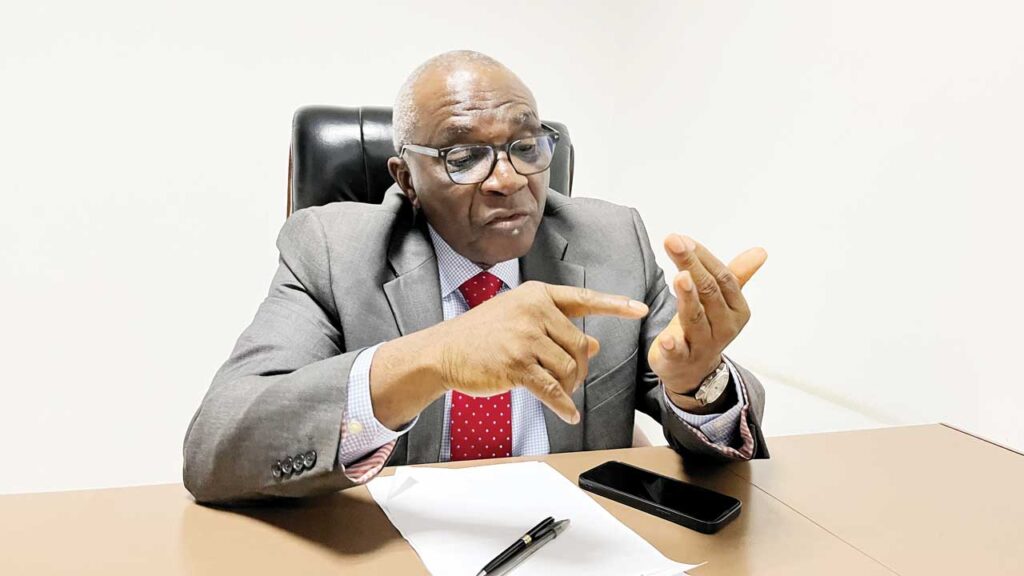
In a statement issued by the President’s Special Adviser on Information and Strategy, Bayo Onanuga, implementation of the repayment plan has already commenced. Fifteen power plants have signed settlement agreements valued at ₦2.3 trillion.
“President Bola Tinubu has approved the payment plan to finally settle the outstanding debts under the Presidential Power Sector Financial Reforms Programme.
“The debt repayment plan followed the final review of the legacy debts that have beset the power sector for more than a decade.
“The long-standing debts accumulated between February 2015 and March 2025. Following verification, ₦3.3 trillion has been agreed as a full and final settlement, ensuring a fair and transparent resolution.
“Implementation has begun, with 15 power plants signing settlement agreements totalling ₦2.3 trillion. The Federal Government has already raised ₦501 billion to fund these payments. Out of the amount, N223 billion has been disbursed, with further payments underway.
“What this means for Nigerians: With payments reaching the power value chain, generation will be more stable. With power plants supported, electricity reliability will improve.”
Reacting to the development, the Special Adviser on Energy to the President, Olu Arowolo-Verheijen, noted that the settlement would strengthen the entire power value chain and restore investor confidence.
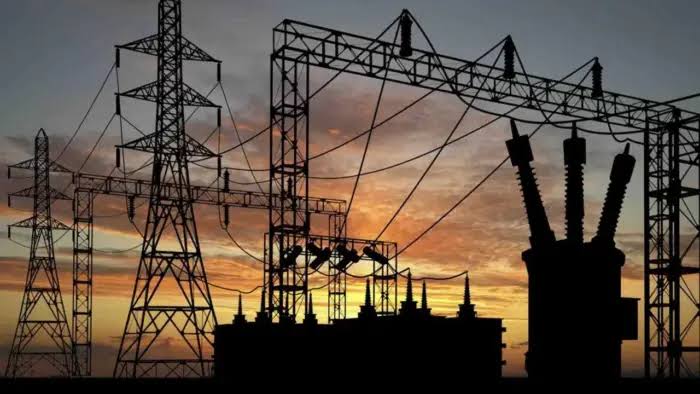
“This programme is not just about settling legacy debts. It is about restoring confidence across the power sector, ensuring gas suppliers are paid, power plants can keep running, and the system begins to work more reliably,” she said.
She added that the reform forms part of broader efforts, including improved metering systems and service-based tariffs designed to align electricity billing with service quality.
The government also plans to prioritise electricity supply to businesses, industries, and small enterprises as part of efforts to stimulate economic growth and job creation.
“The goal is simple: more reliable power for homes, stronger support for businesses, and a system that works better for all Nigerians,” Arowolo-Verheijen said.
President Tinubu commended stakeholders involved in addressing the sector’s legacy challenges and confirmed that the next phase of the reform programme, Series II, will begin this quarter.
What you should know
The Federal Government has approved a ₦3.3 trillion plan to clear long-standing debts in Nigeria’s power sector, a move expected to improve electricity generation and reliability.
With payments already underway and agreements signed with multiple power plants, the initiative aims to stabilise the energy value chain and restore investor confidence. The reforms also include better metering and service-based tariffs, with a focus on supporting businesses and economic growth.
This marks a significant step toward addressing one of Nigeria’s most persistent infrastructure challenges.