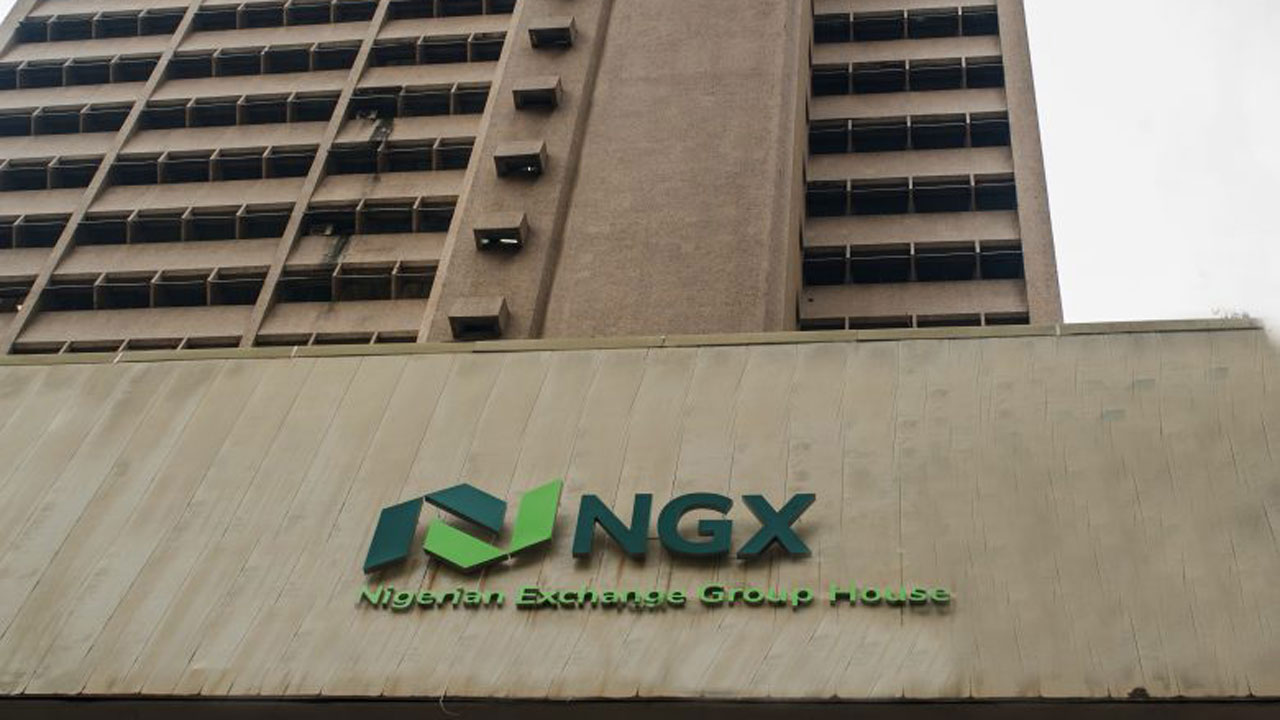
The Nigerian Exchange Limited (NGX) has sanctioned five prominent brokerage firms for serious trading infractions, including wash trades, self-matching transactions, artificial price formation, and other attempts to mislead the market.
The cumulative penalty of N291.29 million, coupled with mandatory corrective training, marks one of the latest enforcement actions under the newly strengthened regulatory framework of the Investments and Securities Act (ISA) 2025.
According to a formal notification dated March 27, 2026, NGX Regulation Limited (NGX RegCo) informed the Securities and Exchange Commission (SEC) of disciplinary measures approved by its board following investigations and hearings conducted by the Investigation Panel between February and March 2026.
The infractions pointed to “recurring patterns” that breached key provisions of the ISA 2025, particularly those dealing with market abuse and investor protection. Regulators described the violations as deliberate attempts to distort prices and undermine market integrity.
CSL Stockbrokers Limited received the heaviest fine of N91.29 million. The other four firms — Cowry Securities Limited, Meristem Stockbrokers Limited, SMADAC Securities Limited, and Associated Asset Managers Limited — were each slapped with N50 million penalties.
In addition to the financial hits, all five must undergo compulsory compliance and market conduct training to address internal control weaknesses and bolster adherence to regulatory standards.
NGX RegCo stressed that the sanctions were “commensurate to the infractions” and intended as a strong deterrent. “We remain committed to maintaining a fair, transparent, and orderly market,” the regulator said, adding that stricter enforcement is essential to protect investors and sustain confidence in the Nigerian capital market.
Market stakeholders hailed the move as evidence of a broader transformation in Nigeria’s regulatory landscape. Since the enactment of the ISA 2025, both the NGX and SEC have shifted from what many described as passive oversight to active, assertive policing of the market.
One shareholder activist, speaking anonymously, commended the actions but urged tougher measures: “This is good news from NGX, and it is worthy of celebration. I urge our market regulators — SEC and NGX — to consider jail terms for infractions like price manipulations. It is a grievous infraction which can destroy market confidence, and the punishment should be more severe.”
Chief Blakey Ijezie, founder of Okwudili Ijezie & Co., praised the regulators: “I am particularly impressed with the NGX and SEC. The regulatory enforcement shows they are living up to expectations in remarkable ways never seen in the market before. They should keep it up.”
Legal practitioner Barrister Raphael Udo of Ralph Udo Chambers described the sanctions as “a proper invocation of statutory powers to preserve market integrity.” He specifically referenced Section 139 of the ISA 2025, which empowers monetary penalties and corrective measures against dealing members found culpable. The mandatory training, he noted, aligns with remedial provisions aimed at strengthening internal controls.
This latest crackdown comes barely a month after the NGX suspended trading in the shares of Zichis Agro-Allied Industries Plc on suspicions of price manipulation. The stock had skyrocketed by over 800% (or approximately 772% according to some reports) in just one month after its listing in February 2026, triggering swift regulatory intervention.
The suspension, imposed around late February, was lifted on March 23, 2026, after a month-long probe. Investigators ultimately found no direct culpability on the part of the issuer or the facilitating stockbrokers, but the NGX implemented corrective measures to safeguard fair and orderly trading.
The enforcement momentum extends beyond brokerages. NGX RegCo’s X-Compliance Report recently revealed that 34 listed companies paid a combined N540.37 million in penalties for late submission of financial statements between 2024 and 2025.
Separately, 13 listed insurance firms faced N378 million in fines for disclosure breaches. The X-Compliance framework is designed to enforce greater transparency and timely reporting.
The ISA 2025 has significantly expanded the powers of the SEC and NGX RegCo, granting them broader investigative tools, emergency intervention capabilities in cases of market disturbance, and clearer authority to combat market abuse, insider dealing, and unethical practices. The Act emphasizes investor protection and fair, efficient markets, moving away from previous limitations.
SEC Director-General Emomotimi Agama and other officials have repeatedly signaled zero tolerance for fraud, warning that violators will face increasingly tough penalties.
These developments reflect a determined push to rebuild and sustain investor confidence in Nigeria’s capital market, which has long grappled with issues of manipulation, delayed disclosures, and governance lapses. By imposing both punitive fines and remedial training, regulators appear intent on not only punishing violations but also raising standards across the dealing member community.
As one stakeholder put it, the message is clear: the era of leniency is over. With the full weight of the ISA 2025 behind them, Nigeria’s market watchdogs are signaling that unethical trading practices will no longer be tolerated — and that preserving the integrity of the bourse is now a top priority.
WHAT YOU SHOULD KNOW
Nigeria’s capital market regulators are sending a strong, unmistakable signal: the era of lax oversight is over. Under the strengthened Investments and Securities Act (ISA) 2025, the NGX has imposed N291.29 million in fines on five brokerage firms for market manipulation and price distortion, while mandating compulsory compliance training.
The regulators have shifted decisively from passive monitoring to active policing, backed by tougher penalties and zero tolerance for unethical practices.
These actions, coming shortly after the Zichis Agro-Allied suspension saga, demonstrate a clear commitment to restoring market integrity, protecting investors, and rebuilding confidence in the Nigerian Exchange.
Investors and market operators should take note — stricter enforcement is now the new normal.