Poultry farmers across Nigeria have raised strong objections to a proposed $900 million investment deal between the Federal Government and China.
They warn that the initiative could destabilise the local poultry industry if not carefully structured to protect indigenous producers.
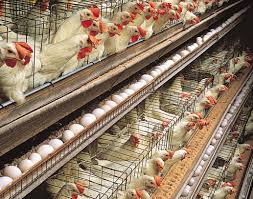
The concerns were voiced by the Poultry Association of Nigeria (PAN) during separate interviews with the News Agency of Nigeria on Thursday in Lagos. Industry stakeholders expressed deep reservations over the planned partnership, which is aimed at establishing a large-scale poultry production system capable of generating up to six million eggs daily.
The Federal Government is said to be pursuing the agreement as part of broader efforts to address Nigeria’s persistent protein deficit and improve national food security. However, poultry operators argue that such a massive foreign-backed project, if poorly implemented, could flood the market, displace local farmers, and erode existing investments in the sector.
At the heart of the farmers’ concerns is the fear that the deal may prioritise foreign dominance over local capacity development. PAN officials insist that while investment in the sector is both necessary and welcome, it must be tailored to strengthen domestic production rather than create overwhelming competition for already struggling farmers.
Speaking on the issue, Lagos PAN Vice President and Chairman of Aiyedoto Poultry Farmers Settlement, Foluso Adams, cautioned that the proposed partnership could weaken local producers and lead to job losses across the value chain.
He urged the government to channel resources into empowering Nigerian farmers through access to funding, modern equipment, and improved infrastructure.
According to Adams, boosting local production capacity would not only sustain employment but also position Nigeria as a leading poultry supplier within West Africa and beyond. He noted that a strengthened domestic industry could open export opportunities and reduce reliance on foreign partnerships.
Similarly, PAN National Publicity Secretary, Godwin Egbebe, warned that the agreement could have unintended consequences for both producers and consumers if critical issues are overlooked. He emphasised the need for the government to prioritise public health and safety standards in any international collaboration, stressing that large-scale imports or foreign-controlled production systems could introduce regulatory and quality control challenges.
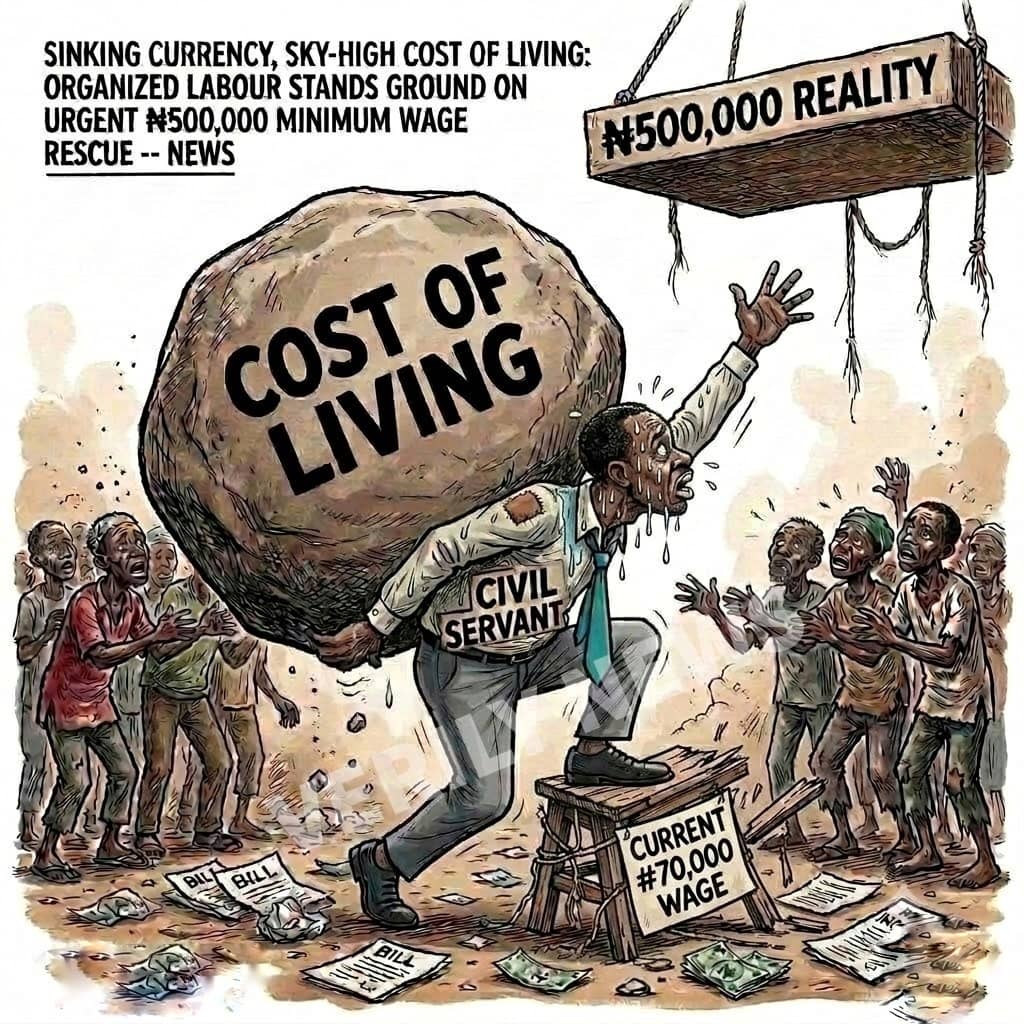
Egbebe further argued that the core problem facing the poultry sector is not insufficient production capacity but weak consumer purchasing power. According to him, many Nigerians are unable to afford poultry products due to economic constraints, making increased production alone an insufficient solution to the country’s protein needs.
As debate intensifies, stakeholders are calling on the Federal Government to adopt a more inclusive approach by engaging local farmers and industry experts before finalising the deal.
They maintain that sustainable growth in the poultry sector will depend on policies that protect local investments, enhance competitiveness, and ensure that foreign partnerships complement rather than undermine Nigeria’s agricultural ecosystem.
WHAT YOU SHOULD KNOW
Poultry farmers, under the Poultry Association of Nigeria, warn that the proposed $900 million deal with China could harm Nigeria’s local poultry industry if it prioritises foreign-backed production over strengthening domestic farmers, stressing that boosting local capacity—not increasing supply—is the real solution to the sector’s challenges.