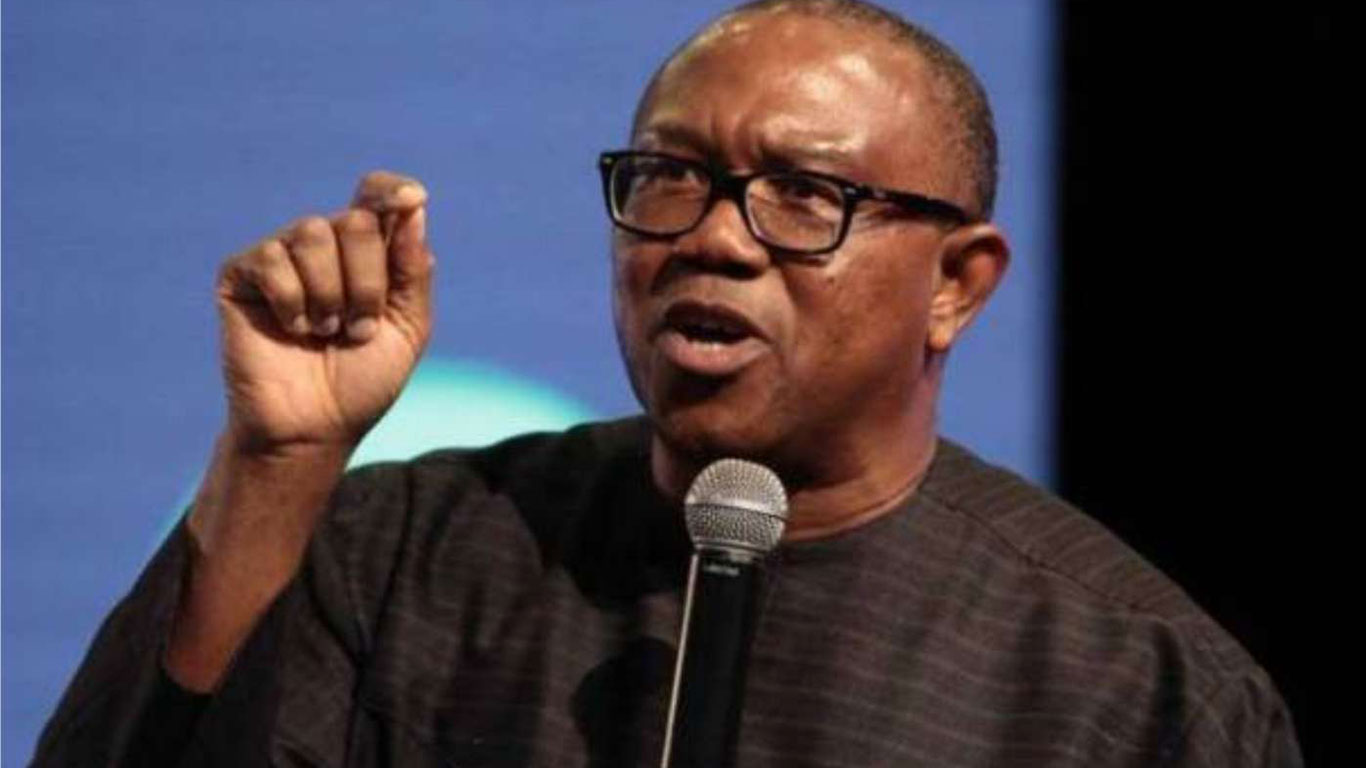
Former Anambra State governor, Peter Obi, has alleged that a Kaduna-based cleric, Sheikh Ahmad Tijjani Umar, was arrested shortly after hosting him on Sunday.
In a post shared on his X page on Tuesday, Obi revealed that he received news of the arrest early in the morning, describing the situation as a serious concern for Nigeria’s democracy.
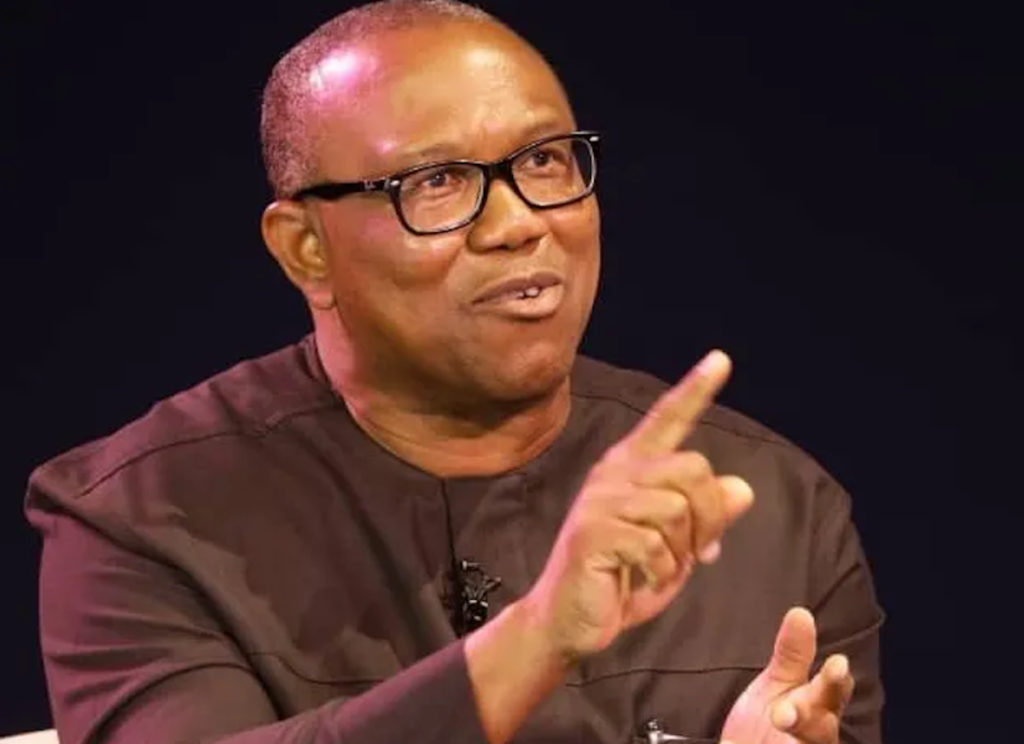
According to him, the development reflects “a deeply troubling state” of the nation, where fundamental freedoms such as speech and movement are increasingly under pressure, particularly for perceived political opponents.
He warned that such actions could erode democratic values and weaken the rule of law, stressing that intimidation and suppression should have no place in a democratic system.
“This development underscores the deeply troubling state of our nation and our democracy, where freedom of speech and movement is increasingly threatened, and where citizens and perceived political opponents face harassment and unnecessary persecution. This cannot be allowed to continue,” he wrote.
“This country must defend freedom and free speech, which are the hallmarks of every democratic society. Suppression and intimidation of dissent can never stand in a democratic society, and this Nigerian government must understand this fact.
“I respectfully call on all those bent on undermining our already fragile democracy to please stop and apply the rule of law and tenets of democracy in dealing with citizens.”
However, the Kaduna State Police Command has denied knowledge of the alleged arrest. The command’s spokesperson, Mansir Hassan, stated that he had not been briefed on the matter.
“I am just hearing it from you. Go and make your findings,” he said.
The situation remains unclear, with no official confirmation yet regarding the reported arrest.
What you should know
Peter Obi’s allegation has sparked fresh concerns about civil liberties and political tensions in Nigeria.
While the police deny knowledge of the arrest, the claim raises questions about freedom of association and expression. Incidents like this, if confirmed, could deepen public debate about democratic rights and the treatment of perceived political opponents.
The lack of clarity from authorities also highlights ongoing issues around transparency and accountability in law enforcement.