Suspected political thugs disrupted the maiden meeting of the African Democratic Congress (ADC) Young Women Forum in Eleme Local Government Area.
According to reports by the News Agency of Nigeria, the attackers stormed the venue in Alesa Eleme, scattering participants and damaging canopies, loudspeakers, chairs, and other equipment.
The group reportedly justified the disruption by claiming the organisers failed to obtain prior approval and alleged that the Independent National Electoral Commission had not authorised political activities.
Reacting to the incident, the National Coordinator of the ADC Young Women Forum, Atosemi Oma-Uwame, condemned the action, describing it as an attempt to silence opposition voices ahead of upcoming elections.
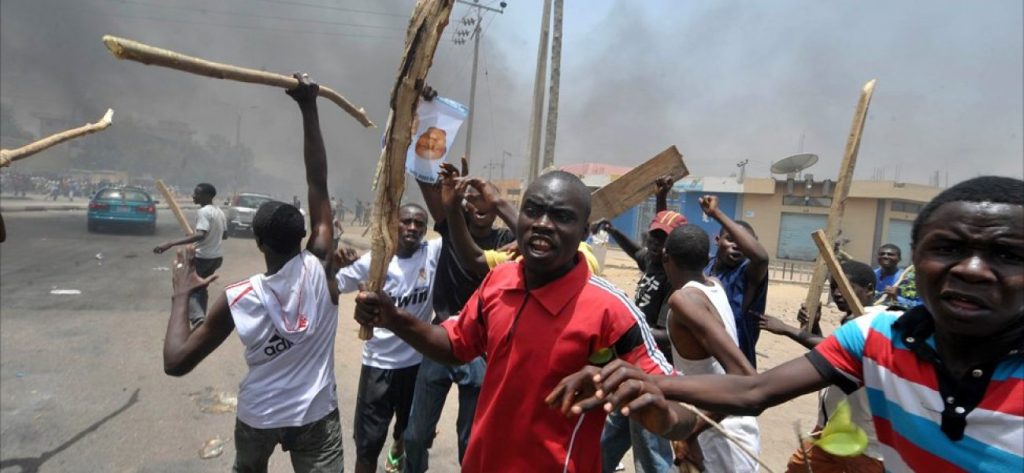
“We gathered here today to inaugurate the ADC Young Women Forum in Eleme LGA. Thugs led by a ward councillor (name withheld) disrupted our meeting.
“The councillor claimed that we did not obtain approval from his office, but we did not come here for a campaign, rather for a gathering of ADC young women in my Eleme constituency.
“They said that if I want to host an event in the community, I should not use the name ADC or mention my political party,” she said.
Oma-Uwame disclosed that she had earlier received warnings not to organise the event under the party’s platform in the area.
“The disruption of our meeting is an attempt to stifle democracy and prevent political engagement,” she said.
She added that the event was organised in collaboration with The Atosemi Movement (TAM) to encourage grassroots mobilisation and participation among women.
What you should know
This incident highlights growing concerns about political intolerance and disruption of opposition activities at the grassroots level.
Such actions can undermine democratic processes, especially as elections approach. The ADC Young Women Forum aims to empower female political participation, making the disruption particularly significant.
Allegations of requiring unofficial “approval” to hold political gatherings also raise questions about local power dynamics and the protection of political rights in communities.