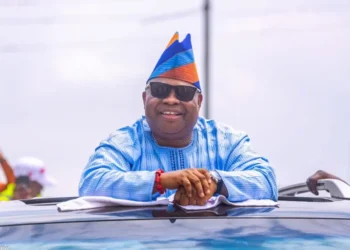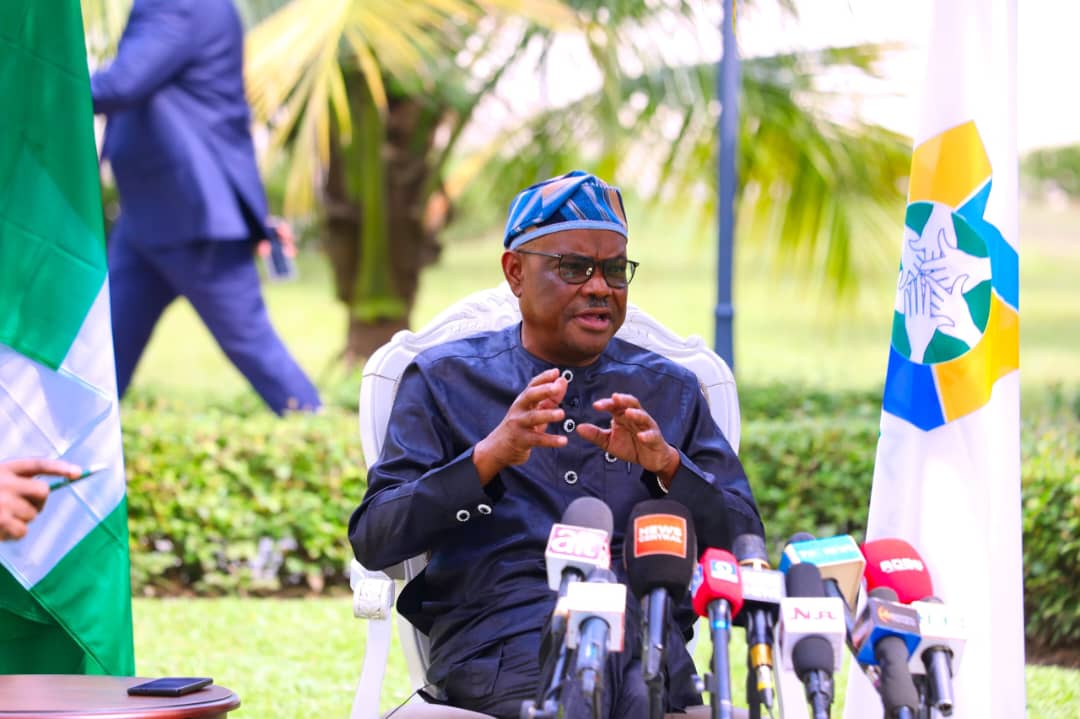
The Minister of the Federal Capital Territory, Nyesom Wike, has criticised Rivers State Governor Siminalayi Fubara over what he described as a failure to prioritise governance in the state.
Wike accused the governor of focusing more on his second-term political ambition while neglecting his constitutional responsibility to present the state’s budget to the Rivers State House of Assembly.
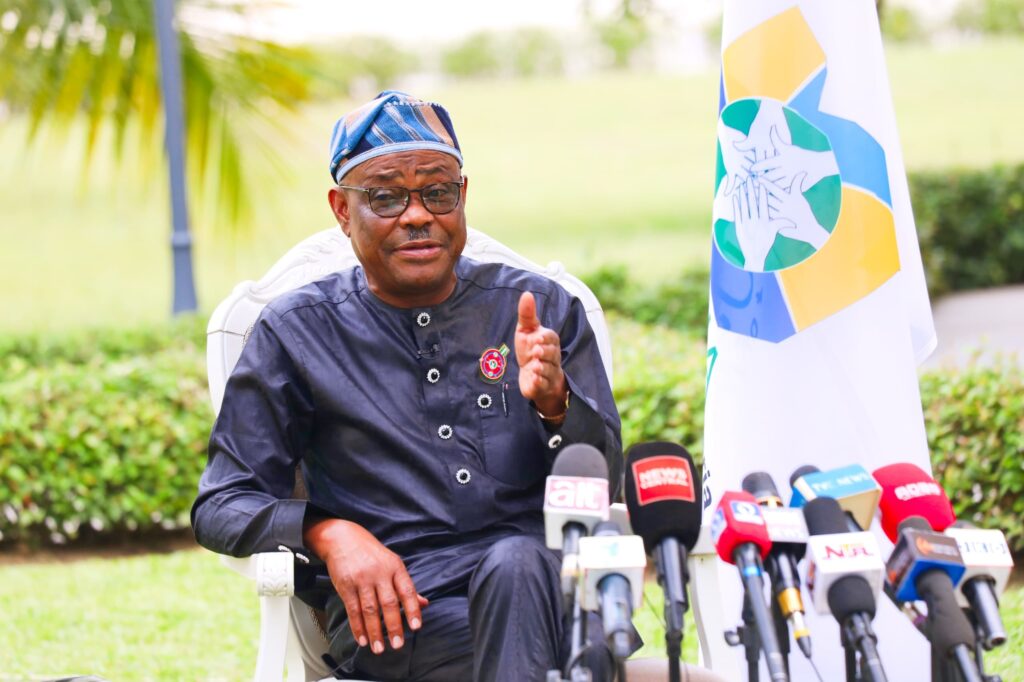
Speaking during a media briefing in Abuja on Wednesday, the former Rivers governor expressed concern over what he termed misplaced priorities within the state’s leadership.
According to him, governance should take precedence over political calculations.
“The governor is yet to submit his budget to the House of Assembly, but he is busy pursuing his second-term ambition,” Wike said.
He warned that the continued delay in presenting the budget could negatively affect the smooth operation of government activities and slow down the delivery of critical services to Rivers residents.
The latest criticism comes against the backdrop of the prolonged political crisis between Wike and Fubara, a dispute that has continued to shape the political landscape of Rivers State.
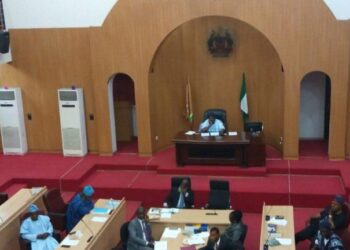
The conflict has sharply divided the Rivers State House of Assembly into rival factions, each aligned with opposing political interests.
In December 2024, Governor Fubara presented a N1.1 trillion 2025 budget proposal to the Victor Oko-Jumbo-led faction of the Assembly, a group widely regarded as loyal to him.
However, the legal and political landscape shifted significantly on February 28 when the Supreme Court upheld a Federal High Court ruling restraining the Central Bank of Nigeria and the Accountant-General of the Federation from releasing Rivers State’s statutory allocations.
The apex court directed that allocations be withheld until Governor Fubara presents the appropriation bill to the Martin Amaewhule-led faction of the Assembly, which is aligned with Wike.
Following the judgment and subsequent reconciliation efforts initiated by President Bola Ahmed Tinubu, Fubara moved to comply with the court directive.
The governor wrote to the Amaewhule-led Assembly requesting a fresh date for the presentation of the 2025 budget.
In the letter dated March 13 and personally signed by him, Fubara proposed a convenient date within March for the exercise.
However, the process was stalled when the governor, accompanied by some commissioners, arrived at the Assembly quarters in Port Harcourt on the scheduled date and was reportedly denied access despite prior communication.
Fubara has consistently maintained that his actions were in line with the Supreme Court’s directive requiring him to present the budget before the Assembly.
Despite this, the Rivers State House of Assembly, which is loyal to Wike, accused the governor on Sunday of acting in bad faith.
The lawmakers alleged that contrary to Fubara’s public claim, no official correspondence regarding budget presentation had been received.
The Assembly subsequently directed him to present the 2025 budget afresh.
The continued disagreement has deepened uncertainty over governance in Rivers State and raised concerns about the implications for public administration and service delivery.
Political observers say the budget standoff has become one of the most visible manifestations of the ongoing power struggle between the two political heavyweights.
As tensions persist, many stakeholders are calling for a political resolution to prevent further disruption to governance in the oil-rich state.
What You Should Know
The political crisis between Nyesom Wike and Governor Siminalayi Fubara remains one of Nigeria’s most significant state-level power struggles.
The dispute has split the Rivers State House of Assembly into rival factions and complicated governance processes, particularly budget passage and access to federal allocations. The Supreme Court ruling withholding Rivers allocations until due legislative processes are followed has intensified pressure on both camps.
The disagreement is widely seen as a battle for political control ahead of future elections, with its outcome likely to shape Rivers State politics and governance stability in the coming years.