Nigeria and 59 other economies are now in Washington’s sights, facing formal US trade investigations that could end in steep tariffs and blocked imports.
The Office of the United States Trade Representative initiated the investigations on March 12, 2026, just one day after opening a separate set of probes into structural excess manufacturing capacity across 16 economies.
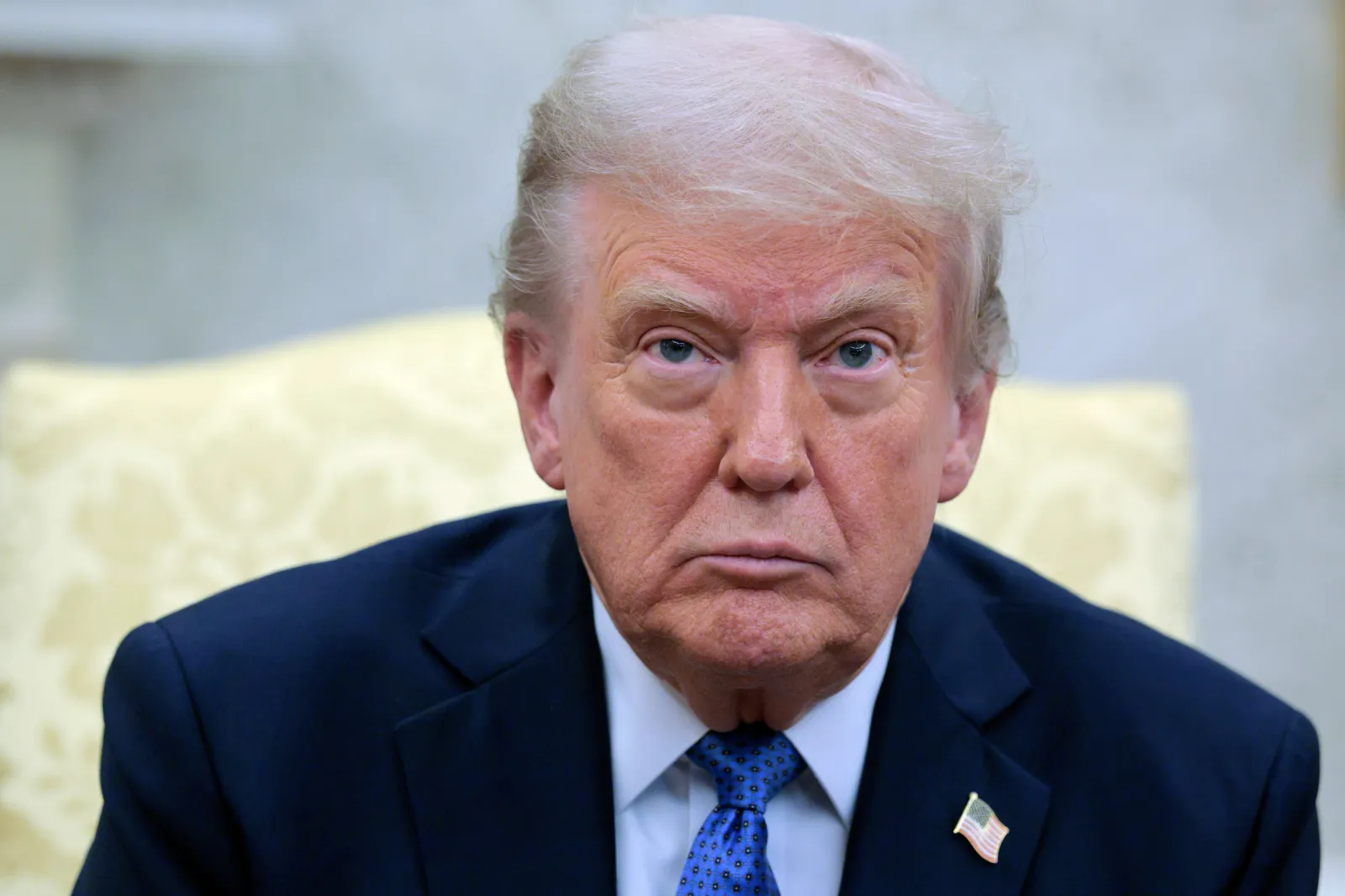
Taken together, the twin actions signal that the Trump administration is moving rapidly to reconstruct its tariff architecture through Section 301 of the Trade Act of 1974, following the collapse of its earlier “Liberation Day” tariff strategy.
The Supreme Court had previously ruled that President Trump was not authorized under the International Emergency Economic Powers Act to impose the sweeping global tariffs announced in April 2025. With that legal avenue closed, the White House has pivoted hard to Section 301, a powerful but slower-moving instrument that requires investigation, public comment, and hearings before punitive measures can be imposed.
The 60 economies under investigation collectively cover more than 99% of U.S. imports in 2024, making this one of the most expansive trade investigations in recent memory.
The list reads like a who’s who of global commerce: China, India, Brazil, Canada, the European Union, the United Kingdom, Japan, South Africa, Australia, and Nigeria all appear alongside smaller developing nations from Latin America, the Middle East, and Southeast Asia.
Nigeria is listed at number 38 on the roster, sitting between Nicaragua and Norway, an uncomfortable placement that underscores just how indiscriminately Washington’s net has been cast.
US Trade Representative Jamieson Greer framed the investigation in stark terms: “Despite the international consensus against forced labor, governments have failed to impose and effectively enforce measures banning goods produced with forced labor from entering their markets.
For too long, American workers and firms have been forced to compete against foreign producers who may have an artificial cost advantage gained from the scourge of forced labor.”
The USTR’s central argument is not that these countries necessarily practice forced labor domestically; it is that their failure to screen imported goods for such conditions creates a loophole that distorts global competition and disadvantages American producers.
The agency noted that while some trading partners—including Canada, Mexico, and the EU have adopted measures intended to stop the importation of products produced with forced labor, many others have not.
Under the legal framework being applied, an act or practice can be deemed “unreasonable” even if it is not technically in violation of international law so long as it is “otherwise unfair and inequitable” or constitutes a “persistent pattern of conduct” that permits forced labour.
The investigation arrives against a backdrop of troubling global data. According to the International Labour Organization, roughly 28 million people were trapped in forced labour worldwide as of 2021, representing approximately 3.5 out of every 1,000 people globally, and that figure rose by 2.7 million between 2016 and 2021, largely due to exploitation in the private sector. Profits generated from forced labor in the global private economy were estimated at $63.9 billion annually as of 2024.
The U.S. Department of Labor’s 2024 list of goods produced by child labour or forced labour identifies 134 products made with forced labour in particular countries, including 34 downstream goods, meaning that even finished consumer products can carry the taint of exploitation deep within their supply chains. Agricultural commodities, textiles, minerals, seafood, and palm oil derivatives are among the most commonly flagged categories.
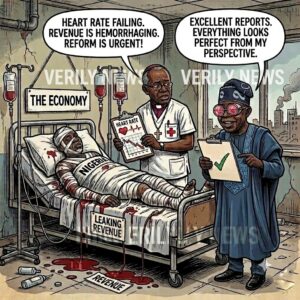
For Abuja, the investigation adds yet another layer of economic uncertainty to an already turbulent period. Recent data from Nigeria’s National Bureau of Statistics show that the country’s merchandise trade surplus fell sharply in the fourth quarter of 2025, dropping to ₦1.71 trillion from ₦3.42 trillion in the same period of 2024, largely due to reduced crude oil exports and rising imports.
Nigeria’s exposure to this particular investigation is not trivial. The country’s agricultural export sector, including cocoa, sesame, and cashews, as well as its artisanal mining industry, has long faced scrutiny from international labour observers over working conditions. Should the USTR conclude that Nigeria’s import frameworks are inadequate, the consequences could range from additional tariffs on Nigerian goods entering the United States to broader import restrictions.
As a first step, the USTR must determine whether the investigated acts, policies, or practices are “actionable” under Section 301. If that determination is affirmative, it must then decide whether trade action is appropriate, and if so, what action to take.
Interested parties must submit written comments, requests to appear at hearings, and summaries of testimony by April 15, 2026. Public hearings will commence on April 28 at the U.S. International Trade Commission in Washington, D.C., beginning at 10:00 a.m., and may continue through May 1. Remarks at the hearings are limited to five minutes per speaker.
Governments of the affected economies will also be invited to engage directly with USTR officials, raising the prospect of negotiated outcomes that could spare some countries from punitive measures if they move swiftly to enact or strengthen forced labor import prohibitions.
Legal analysts have noted that the launch of these investigations comes at a moment of sharp transition in U.S. tariff policy. Following litigation that invalidated tariffs imposed under IEEPA and the administration’s subsequent pivot to Section 122 for temporary global tariffs, the executive branch has been casting about for durable legal tools to address what it characterizes as unfair trade imbalances.
Section 301, which has a longer procedural runway but carries significant legal weight, has emerged as the instrument of choice.
With a comment deadline of April 15 and hearings beginning just two weeks later, governments and industry groups have precious little time to mount their responses or risk having their trade futures shaped by others in a hearing room in Washington.
WHAT YOU SHOULD KNOW
The United States has launched formal trade investigations into Nigeria and 59 other economies under Section 301 of the Trade Act of 1974, targeting their failure to ban imports of goods produced with forced labor.
With 28 million people trapped in forced labor globally and an estimated $63.9 billion in illicit profits annually, Washington argues that weak import screening gives foreign producers an unfair cost advantage over American firms.
The real story here, however, is strategic: having lost its legal battle to impose sweeping global tariffs, the Trump administration is now using forced labor concerns as a vehicle to rebuild its tariff architecture through a more legally defensible route.