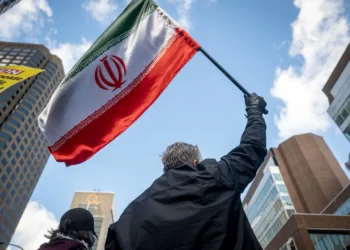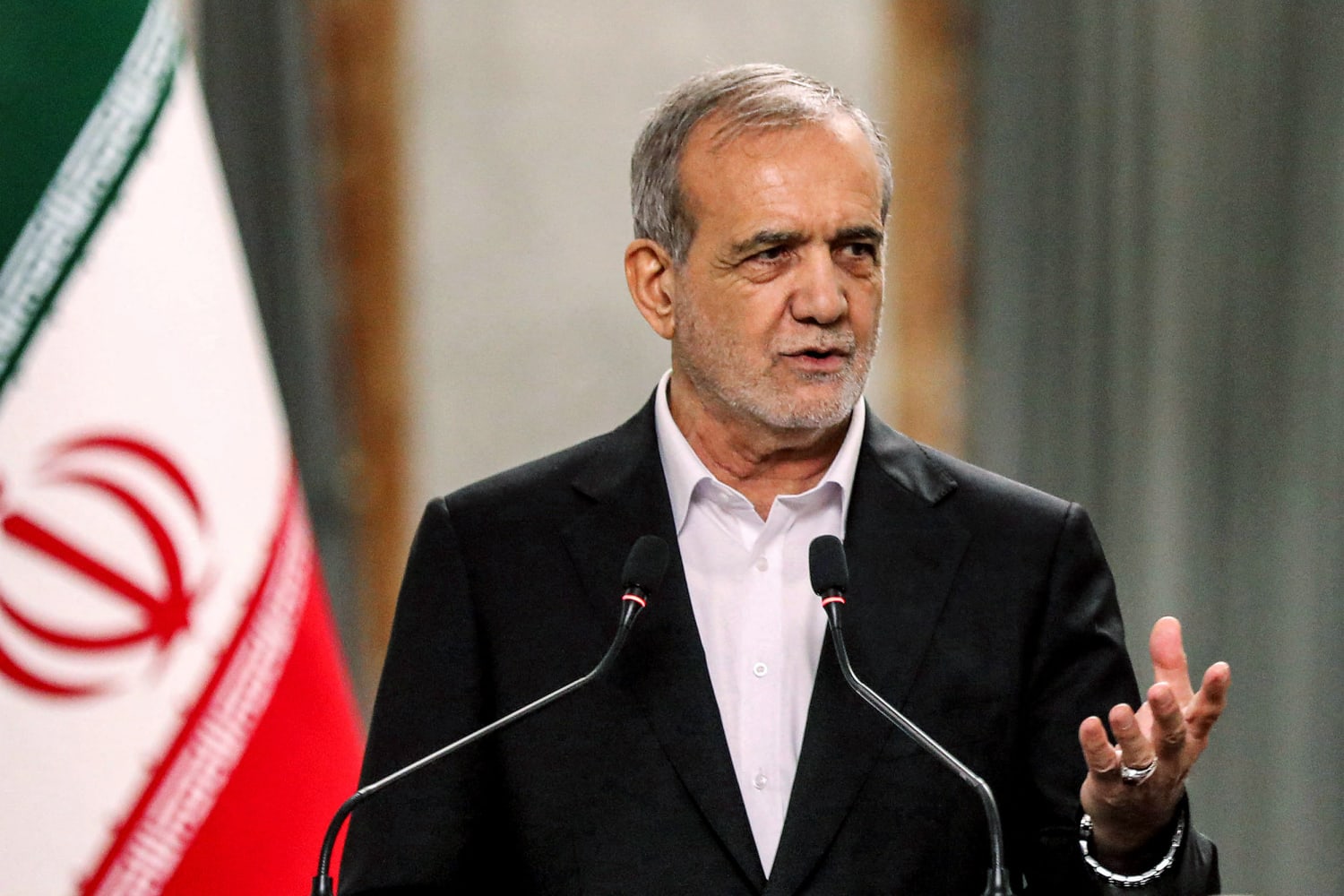
Iran has warned other nations not to intervene in its ongoing conflict with the United States and Israel, after US President Donald Trump urged global powers to escort oil tankers through the strategic Strait of Hormuz.
Global energy markets have been shaken since Tehran responded to the US-Israeli military campaign by threatening vessels moving through the narrow waterway, which serves as a major route for oil and gas exports from Gulf producers to international markets.
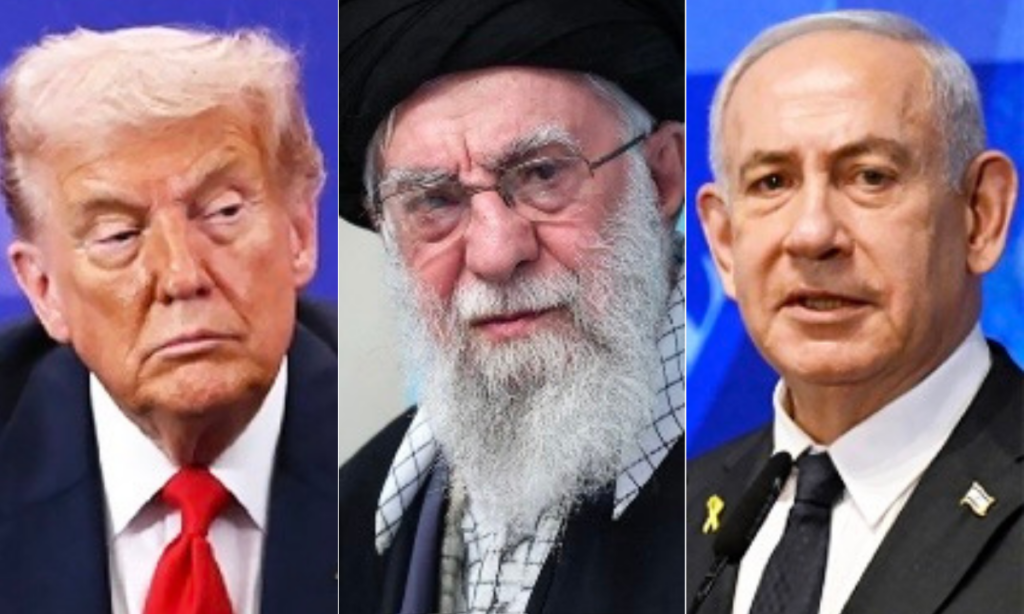
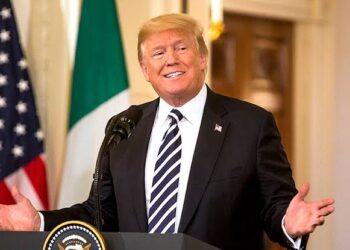
Trump called on several major powers, including China, France, Japan, South Korea and the United Kingdom, to deploy naval vessels to escort oil tankers through the strait while US forces continue strikes on Iranian military targets along its northern coastline.
However, many of the countries mentioned have responded cautiously. Iran’s Foreign Minister Abbas Araghchi warned against any move that could escalate the conflict during a phone conversation with his French counterpart Jean-Noel Barrot.
He urged them to “refrain from any action that could lead to escalation and expansion of the conflict.”
The British government has also taken a cautious stance. Britain’s Energy Security Secretary, Ed Miliband, told the BBC that the priority should be reducing tensions while discussions continue with allies about protecting shipping routes in the Gulf.
Meanwhile, South Korea said it was closely observing Trump’s remarks, while Japanese political leaders indicated that sending naval forces to the region would face significant legal hurdles under existing laws.
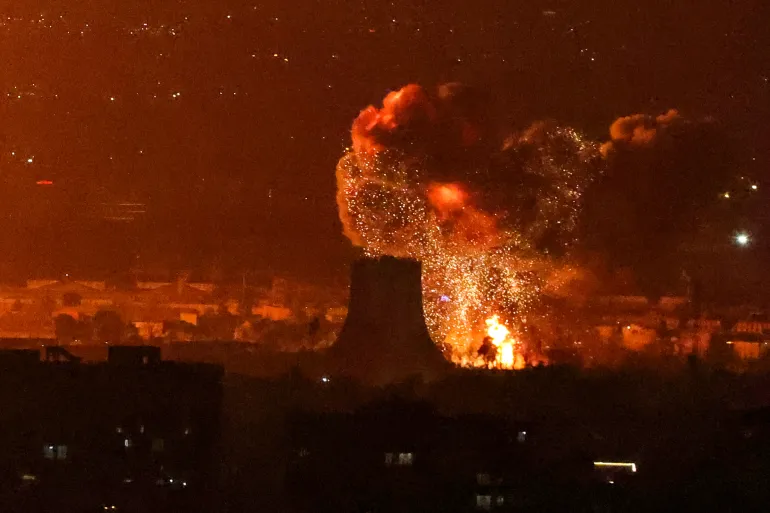
The conflict has already had a major impact on global energy markets. Oil prices have surged by about 40 percent after Iran restricted movement through the Strait of Hormuz and launched strikes against shipping and energy infrastructure in neighbouring Gulf states.
These actions were described by Tehran as retaliation for the US and Israeli military campaign that killed Iran’s supreme leader, Ali Khamenei, triggering the wider regional war.
Trump suggested in a weekend interview with NBC News that Iran may be interested in negotiations but said Washington would continue military pressure until better terms are offered.
“Iran wants to make a deal, and I don’t want to make it because the terms aren’t good enough yet,” he said, adding that the US could again strike Iran’s key oil export facility at Kharg Island.
Iran’s new supreme leader, Mojtaba Khamenei, has pledged to keep the Strait of Hormuz closed, though Trump questioned whether the Iranian leader was fully in control.
At the same time, Israel’s military announced a new wave of strikes in western Iran after the Islamic Revolutionary Guard Corps vowed to pursue and kill Israeli Prime Minister Benjamin Netanyahu.
Despite the escalating rhetoric, daily life in Tehran appeared to regain some normalcy on Sunday as businesses gradually reopened. Traffic increased across the city, and parts of the Tajrish Bazaar resumed operations ahead of Nowruz.
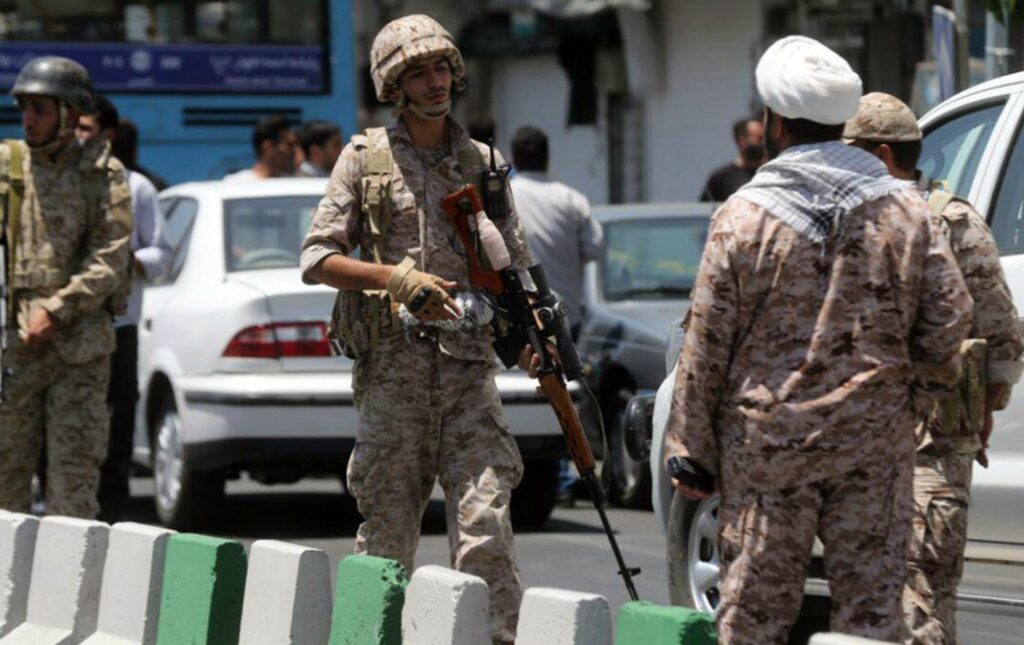
Elsewhere in the Gulf region, tensions remained high. Bahrain and Saudi Arabia reported intercepting projectiles, while air defence systems were activated in Dubai after warnings from Iran’s military advising civilians to stay away from port areas.
According to Iranian health ministry figures, more than 1,200 people have been killed in US and Israeli strikes, although the figures have not been independently verified. The United Nations High Commissioner for Refugees estimates that as many as 3.2 million people have been displaced, with many fleeing Tehran and other major cities.
The Pentagon said over 15,000 targets in Iran have been struck by US and Israeli forces since the conflict began.
US media reports also indicate that the amphibious assault ship USS Tripoli and approximately 2,500 Marines have been deployed to the region as tensions continue to rise.
What you should know
The Strait of Hormuz is one of the world’s most critical oil transit routes, carrying about a fifth of global petroleum shipments.
Any disruption to shipping through the narrow passage can trigger sharp increases in global energy prices and threaten international trade.
The ongoing conflict between Iran, the United States, and Israel has therefore raised major concerns among world powers, as a prolonged blockade or expanded war in the Gulf could severely impact the global economy and regional stability.