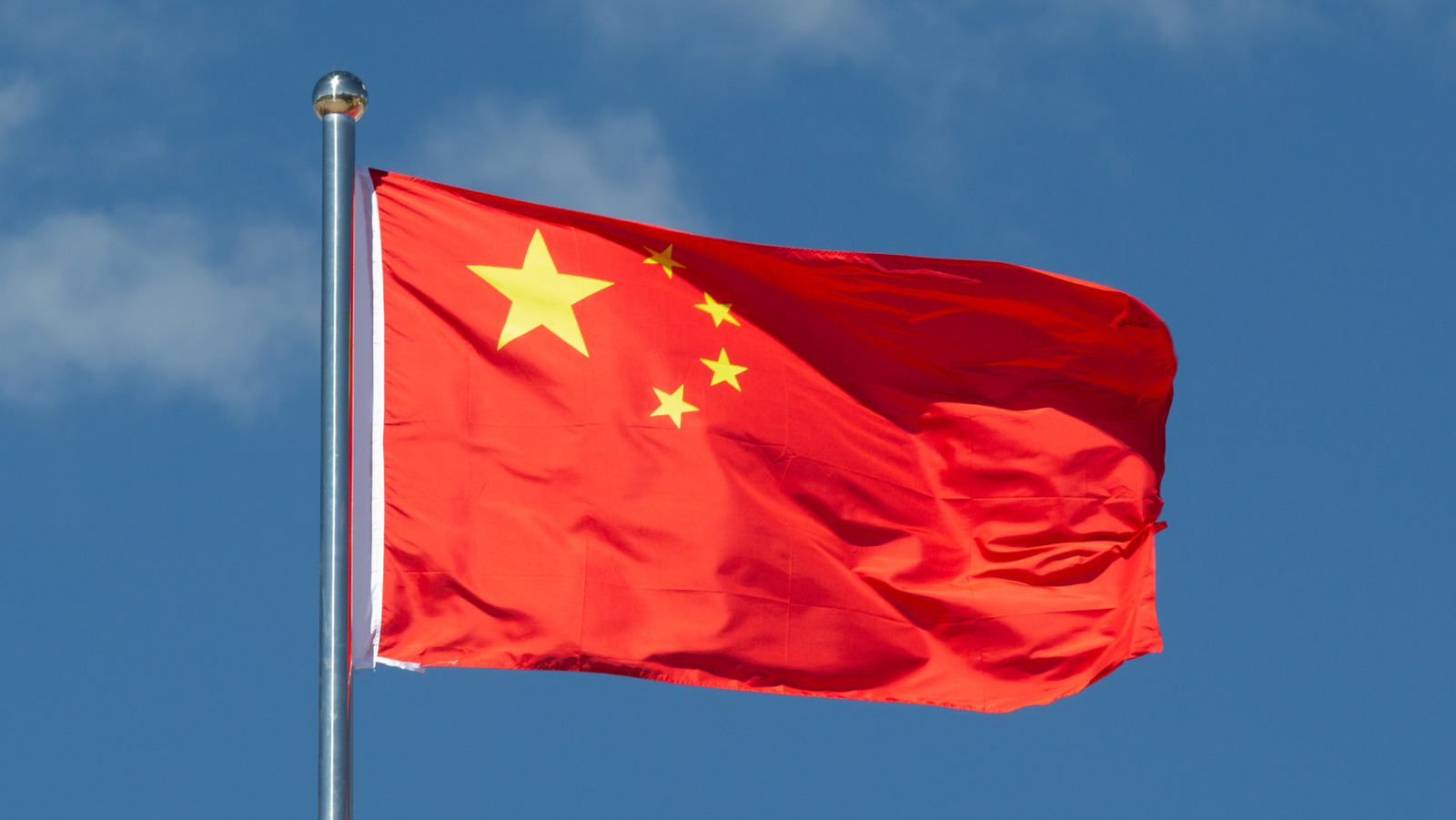
China has sharply tightened restrictions on exports of refined petroleum products, according to a Bloomberg News report citing industry insiders.
The world’s second-largest economy, already the globe’s top buyer of crude oil, relies on its massive refining sector primarily to meet surging domestic demand. Last year alone, Chinese refiners shipped out 58 million tonnes of gasoline, diesel, and jet fuel, figures compiled by official customs data show.
But with tensions boiling over following the outbreak of the US-Israel war on Iran, those export flows are now under direct threat.
Chinese oil refiners have begun cancelling previously agreed export cargoes, Bloomberg reported, quoting people familiar with the situation who declined to be identified.
The latest directives from Beijing represent a clear escalation from guidance issued just last week, which had been widely interpreted as non-binding. What began as a polite suggestion to pause shipments has now hardened into firmer instructions, signalling growing alarm in the capital.
When asked about the curbs at Thursday’s regular foreign ministry briefing, spokesman Guo Jiakun professed ignorance. “I am not familiar with the situation,” he told reporters.
The timing could hardly be more fraught. Global energy markets have been sent reeling since the conflict erupted. Oil prices surged past $100 a barrel on Thursday, propelled higher by Iranian strikes on Gulf targets that have overshadowed even the International Energy Agency’s record release of strategic crude reserves.
China, notably, is not a full member of the IEA and therefore carries no obligation to join coordinated stockpile releases. The IEA’s dramatic intervention failed to calm nerves; the Strait of Hormuz—the narrow chokepoint through which roughly one-fifth of the world’s seaborne crude normally flows—is effectively closed. More than half of China’s seaborne crude imports last year originated in the Middle East, according to shipping analytics firm Kpler.
Yet analysts insist Beijing is better positioned than most to weather the storm, at least in the short term. Years of meticulous strategic stockpiling have left China sitting on approximately 1.2 billion barrels of onshore crude inventories—equivalent to roughly 115 days of its seaborne imports, Kpler calculates.
Beijing last tapped those reserves in 2021 to ease factory-gate inflation pressures. So far, however, the powerful National Food and Strategic Reserves Administration has remained silent on any fresh releases amid the current turmoil.
At the same briefing where he claimed unfamiliarity with the export curbs, spokesman Guo struck a more resolute note on energy security. “China will do what is necessary to protect its energy security,” he declared.
The tightening export controls come as a stark reminder of how quickly geopolitical shocks can ripple through the world’s energy arteries. With domestic refiners now prioritizing local fuel needs over international contracts, traders and importers across Asia are scrambling to find alternative supplies at a time when those supplies are suddenly far more expensive and far harder to secure.
For now, China appears determined to batten down the hatches, husbanding every barrel and every tonne to shield its factories, its motorists, and its airlines from the fallout of a conflict thousands of kilometers away.
WHAT YOU SHOULD KNOW
China is now enforcing stricter, mandatory curbs on refined oil product exports—moving beyond last week’s non-binding guidance—to prioritize domestic supply amid the escalating US-Israel-Iran war and the effective closure of the Strait of Hormuz.