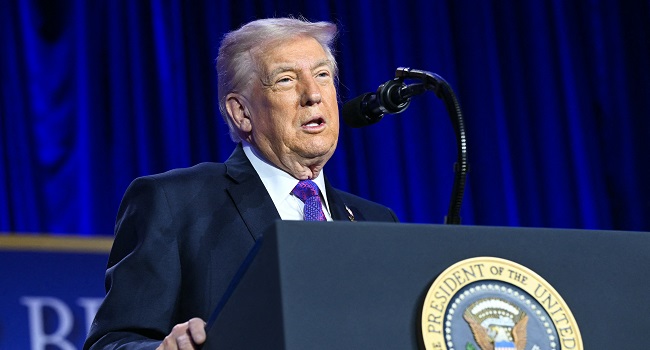
Donald Trump on Tuesday alleged that Iran is pursuing missile capabilities that could eventually strike the United States, while also attempting to rebuild elements of its nuclear program that were previously targeted by American military action.
Speaking during his State of the Union address, Trump said Tehran has already advanced its missile arsenal beyond regional threats.
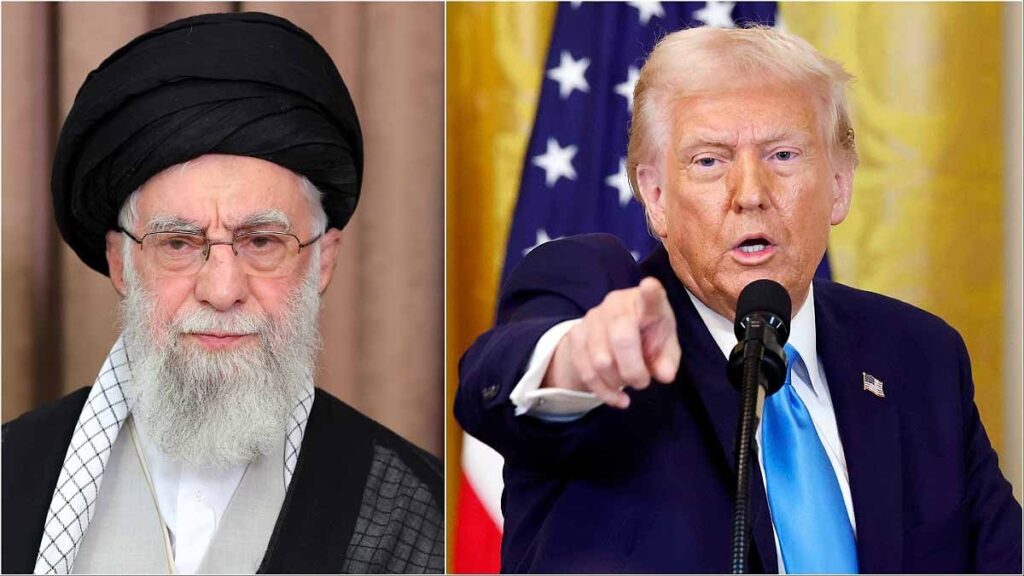
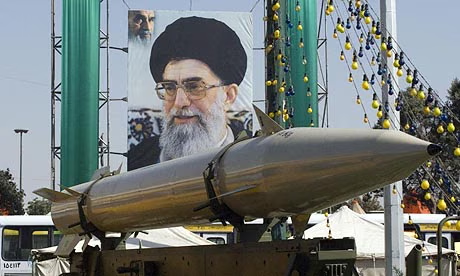
“They’ve already developed missiles that can threaten Europe and our bases overseas, and they’re working to build missiles that will soon reach the United States of America,” he said.
Washington and Tehran are currently engaged in sensitive negotiations over Iran’s nuclear activities and related security concerns. Trump has maintained that while he favors a diplomatic resolution, military action remains an option if discussions collapse.
In 2025, the Defense Intelligence Agency assessed that Iran could potentially field a militarily viable intercontinental ballistic missile by 2035, should it choose to pursue such a capability. The report did not conclude that Tehran had made that decision.
According to the Congressional Research Service, Iran currently possesses short- and medium-range ballistic missiles with a maximum range of roughly 1,850 miles (3,000 kilometers). By comparison, the continental United States lies more than 6,000 miles from Iran’s westernmost border.
The two countries have completed two rounds of negotiations aimed at crafting a new agreement to replace the nuclear deal Trump withdrew from during his first term.
‘Preference’ Is Diplomacy
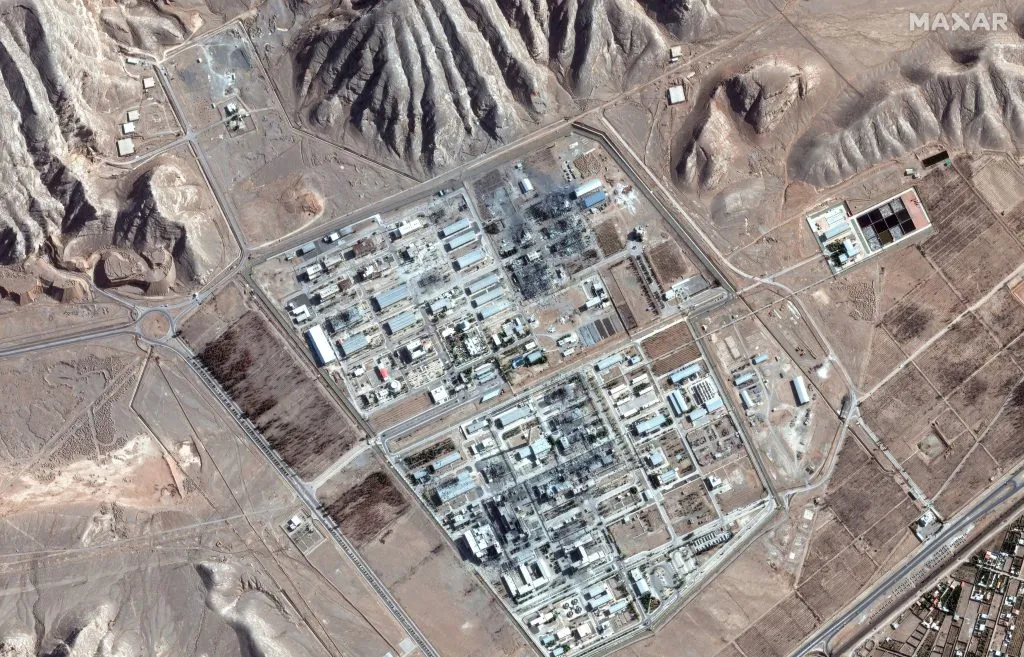
The United States has consistently demanded that Iran halt all uranium enrichment activities. Washington has also pressed Tehran to curb its ballistic missile program and reduce its backing of armed groups across the Middle East, conditions Iranian officials have firmly rejected.
Iran has repeatedly denied seeking to develop nuclear weapons.
Last year, Trump ordered strikes on three Iranian nuclear facilities, later asserting that the country’s atomic infrastructure had been “obliterated.” However, on Tuesday he claimed Iran now seeks “to start all over again” and is “at this moment again pursuing their sinister nuclear ambitions.”
In a show of force, the US has expanded its military footprint in the Middle East, deploying two aircraft carriers along with numerous warships, fighter jets, and other assets.
Trump reiterated his warning that failure in ongoing talks could trigger further strikes. Negotiations are scheduled to resume on Thursday.
“My preference is to solve this problem through diplomacy but one thing is certain: I will never allow the world’s number one sponsor of terror, which they are by far, to have a nuclear weapon,” he said.
Although the address largely concentrated on domestic matters, Trump briefly mentioned efforts to end the conflict between Russia and Ukraine. He also praised NATO’s decision to raise defense spending to five percent of gross domestic product, a policy shift he said followed sustained pressure from his administration.
What You Should Know
Tensions between the United States and Iran remain high despite renewed diplomatic engagement.
Washington is pushing for stricter limits on Iran’s nuclear and missile programs, while Tehran insists its activities are defensive and lawful.
Intelligence assessments suggest Iran could develop longer-range missile capabilities in the future, though there is no public confirmation it has chosen that path.
The outcome of current negotiations could shape regional stability, US military posture in the Middle East, and broader global security dynamics in the coming years.