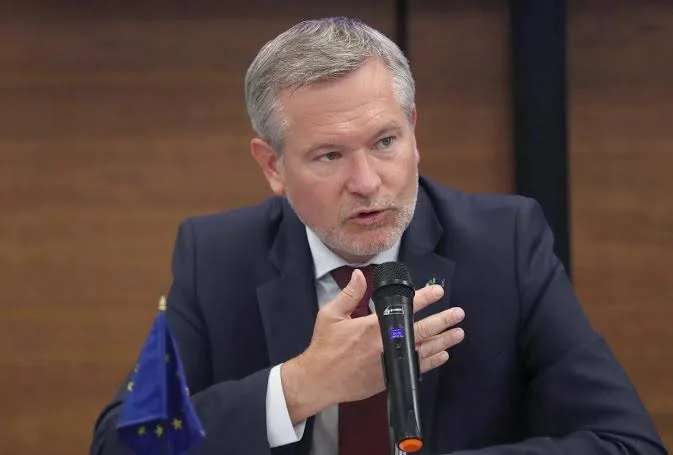
On the fourth anniversary of the Russia-Ukraine conflict, the European Union ambassador to Nigeria, Gautier Mignot, expressed concern over what he described as an unsettling trend, the alleged enlistment of Nigerians and other Africans by Russia to participate in the war.
Mignot made the remarks on Tuesday while appearing as a guest on Channels Television’s The Morning Brief programme. He said information from civil society groups suggests that the recruitment drive is expanding.
“There is another important phenomenon which is impacting Africa, which is recruitment of African men and women by Russia. Women to be sent and work in military plants in Russia and men to be sent as cannon fodder on the front. Of course they are being lured with job promises,” Mignot said.
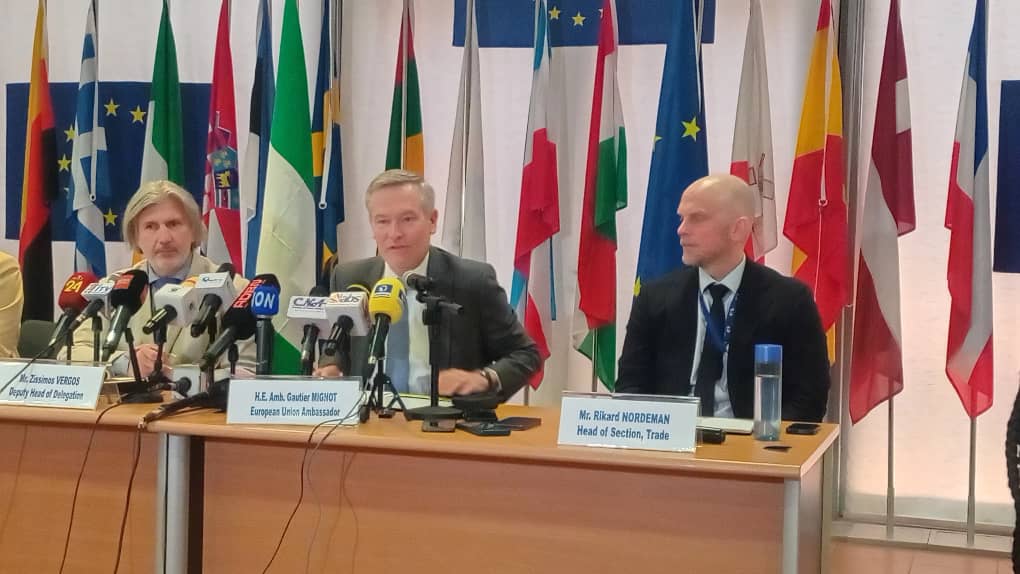
According to the ambassador, Moscow is increasingly turning to Africa to source manpower due to a depletion of its own forces. He characterised the alleged practice as exploitative and dangerous, especially for individuals with no direct ties to the conflict.
“Russia is running out of soldiers, so they have been growingly doing that including with Nigerians, and it’s extremely crude sending these people who have absolutely nothing to do with this war to die on the front.
“Some of them have been captured by the Ukrainian army, and this is something I think African countries have started to react to. We have seen even the Nigerian government publish a communique on this phenomenon of recruitment into war—they did not mention Russia,” he added.
Addressing suggestions that Russia is gradually gaining the upper hand in the war, Mignot rejected the notion, describing it as a misconception.
“There are other false perceptions about this war, the impression that Russia is winning the war little by little—no, it is not. There is a stalemate at the front. Actually in the last few weeks it is Ukraine which has reclaimed a few hundred square kilometres of territory,” he said.
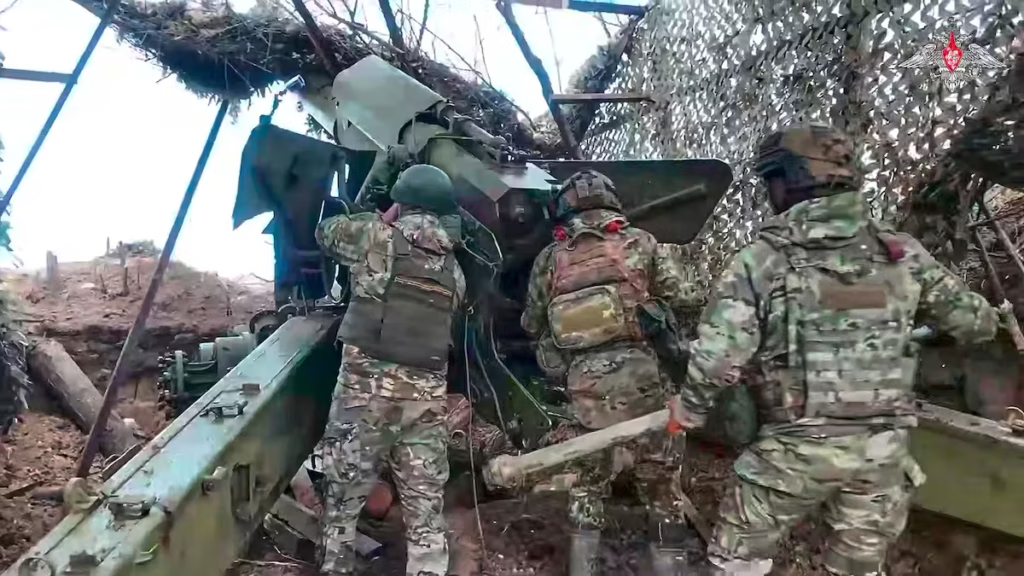
He acknowledged, however, that a swift military resolution appears unlikely and argued that meaningful peace would require sustained international pressure on Russia to return to negotiations.
Russian authorities have denied claims that they are recruiting Africans to fight in Ukraine, dismissing the accusations as baseless.
Mignot insisted that accounts from Africans who were reportedly recruited support the allegations and described Russia’s denial as inaccurate, suggesting it reflects a reluctance to halt the alleged activity.
On February 21, 2022, Russian President Vladimir Putin recognised the independence of Ukraine’s eastern Donetsk and Lugansk regions, where pro-Russian separatists had been engaged in conflict with Ukrainian forces since 2014.
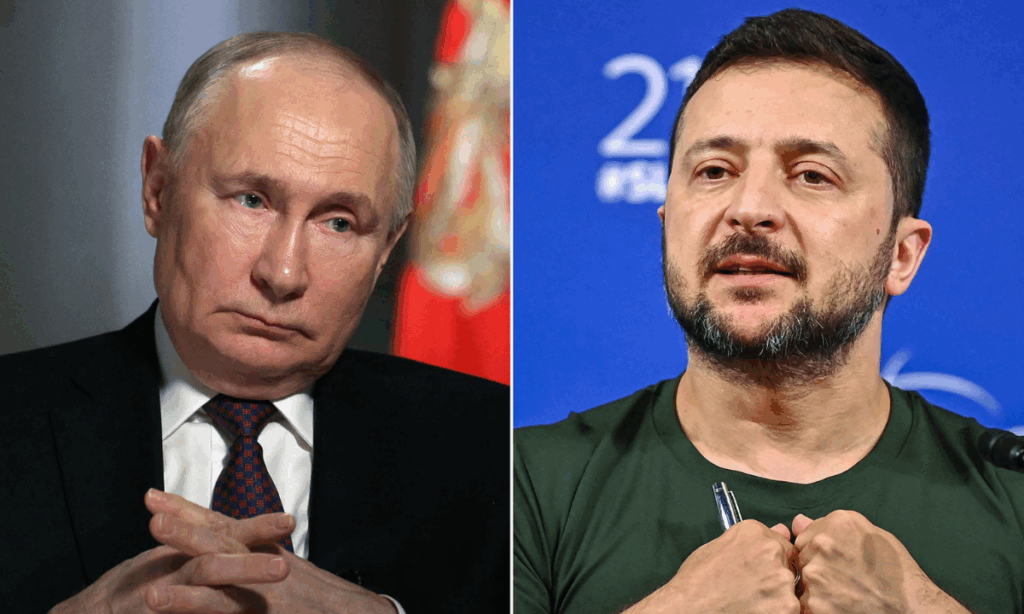
Three days later, in the early hours of February 24, Putin announced the launch of a large-scale military campaign in Ukraine, referring to it as a “special military operation” aimed at “de-Nazify” and “demilitarise” the country.
Four years into the war, the conflict has resulted in tens or even hundreds of thousands of deaths and forced millions of people to flee their homes as refugees.
What You Should Know
The EU ambassador to Nigeria has raised concerns over alleged Russian recruitment of Nigerians and other Africans for roles connected to the Ukraine war, claims Russia denies.
He also rejected suggestions that Russia is winning the conflict, describing the battlefield situation as a stalemate and calling for renewed diplomatic efforts to secure peace.