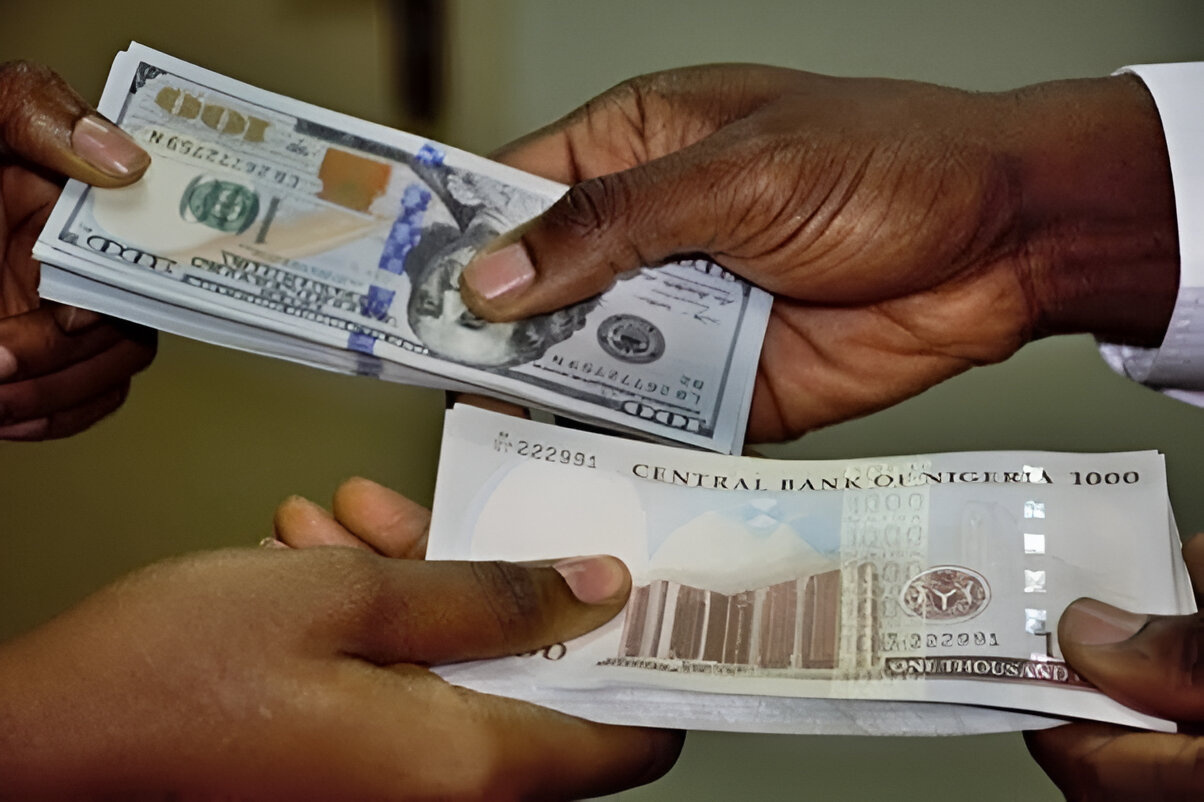
The naira climbed to N1,337/$ on Tuesday, its best rate since May 2024, as improved dollar supply, easing global tensions, and shifting monetary policy signals restored fresh confidence in the local currency.
Data published by the Central Bank of Nigeria (CBN) confirmed the single-day gain of seven naira from Monday’s close of N1,344 per dollar, extending what analysts are increasingly describing as a cautious but meaningful recovery trend for Africa’s most populous nation’s embattled currency.
The Tuesday close represents the naira’s best official rate since May 29, 2024, when the currency settled at N1,329.65 per dollar, a milestone that, while modest in isolation, carries significant psychological weight for a market that has endured sustained pressure over the past year.
The gains were not confined to the official window. In the parallel market, long regarded as a more candid barometer of real-time dollar demand in Nigeria, the naira traded at N1,382.5 per dollar, a marked improvement from the N1,393.35 recorded just a day earlier. The narrowing spread between the official and parallel market rates is a development that CBN officials and economic observers have long pointed to as a key indicator of FX market health and credibility.
Currency traders in Lagos described Tuesday’s session as notably calmer than in recent weeks, with one dealer at a bureau de change on Lagos Island noting that the volume of dollar sales had picked up noticeably. “Supply is better. People are not scrambling as hard,” the dealer said.
Economists and market watchers attribute several overlapping factors to the naira’s recent uptick.
On the domestic front, improved dollar liquidity appears to be the most immediate driver. Nigeria has, in recent months, benefited from higher crude oil revenues, increased diaspora remittances channelled through official pathways, and deliberate interventions by the CBN aimed at stabilizing the market following the sweeping FX reforms introduced under Governor Olayemi Cardoso. The apex bank’s sustained push to unify exchange rate windows and attract foreign portfolio inflows appears to be yielding incremental results.
Speculative repositioning by traders has also played a role. As confidence in the naira’s short-term stability gradually returns, some market participants who had previously hoarded dollars are liquidating their positions, adding to the supply and dampening the kind of demand-side pressure that sent the currency spiraling in the prior months.
Beyond Nigeria’s borders, the international environment offered a measure of relief on Tuesday. The U.S. dollar index held broadly steady following recent gains against major global currencies, reducing immediate pressure on emerging market peers like the naira.
Geopolitical developments also contributed to an improved risk appetite across markets. Diplomatic engagement between the United States and Iran helped ease tensions that had previously unsettled global investors, while ongoing negotiations between Russia and Ukraine offered tentative signs of progress, developments that typically encourage capital flows back into higher-yielding emerging market assets.
Meanwhile, investors across the globe remain keenly focused on signals from the United States Federal Reserve. With markets eagerly awaiting the release of minutes from the Federal Open Market Committee’s latest meeting alongside fresh U.S. GDP data, there is growing speculation over the timing and pace of potential interest rate cuts. Should the Fed signal a pivot toward easing, capital flows into emerging economies like Nigeria could accelerate, providing further support to currencies such as the naira.
“We are watching Washington as closely as we are watching Abuja,” one Lagos-based portfolio manager remarked. “Any dovish signal from the Fed changes the calculus entirely for frontier and emerging market currencies.”
Despite the encouraging numbers, seasoned analysts are urging restraint. Nigeria’s FX market has proven volatile in recent years, and single-day or even week-long gains have at times given way to sharp reversals driven by policy uncertainty, fluctuating oil prices, or sudden shifts in investor sentiment.
The CBN has repeatedly stressed its commitment to a market-reflective exchange rate and has taken steps to clear a backlog of unverified foreign exchange obligations that had deterred foreign investment. Progress on that front, alongside sustained improvements in dollar supply, will be critical to determining whether Tuesday’s gains mark the beginning of a durable recovery or merely a brief respite.
For ordinary Nigerians, many of whom feel the exchange rate’s effects acutely through the prices of imported goods, fuel, and basic commodities, the hope is that the naira’s modest rally translates into tangible relief at the market. Whether that relief materializes will depend on how firmly the currency holds in the sessions and weeks ahead.
WHAT YOU SHOULD KNOW
Nigeria’s naira closed at N1,337 per dollar on Tuesday—its strongest official rate in nearly nine months—gaining ground in both the official and parallel markets on the back of improved dollar liquidity and calmer investor sentiment.
While easing global geopolitical tensions and growing expectations of a U.S. Federal Reserve rate cut provided helpful tailwinds, the recovery remains fragile.
Sustained stability will depend on consistent dollar supply, continued CBN policy discipline, and a favorable global environment. For now, the trend is encouraging, but Nigerians and investors alike should watch closely before reading too much into a single day’s gains.